





The Ancient Wisdom of Soaking
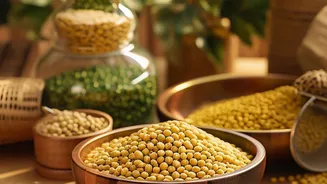
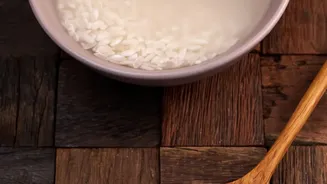
Grandmothers have always insisted on it, and science now backs them up. Soaking pulses overnight or for a few hours is a critical first step. This process does more than just soften the lentils to reduce cooking time. It also helps to break down anti-nutrients
like phytic acid. Phytic acid can interfere with the body's ability to absorb essential minerals like iron, zinc, and calcium. Soaking activates enzymes that neutralize these compounds, making the nutrients in the dal more bioavailable and the pulses easier to digest, which helps prevent bloating and gas. The general rule is to soak harder legumes like rajma and chana overnight, while split dals like moong or toor only need 30-60 minutes.
Pressure Cooking: The Modern Time-Saver
The hiss of a pressure cooker is a defining sound in most Indian households for a reason. This appliance is a game-changer for dal preparation. By using high-pressure steam, it cooks lentils in a fraction of the time it would take in an open pot. This speed isn't just about convenience; it also has nutritional benefits. The shorter cooking time and the minimal amount of water required mean that more heat-sensitive vitamins and minerals are retained compared to traditional boiling. The sealed environment also prevents oxidation, which can degrade nutrients, and intensifies the flavours of the spices infused into the dal.
Slow Cooking: The Flavor-Builder
While pressure cooking offers speed, slow cooking is all about depth of flavour. This method involves cooking dal over low, steady heat for several hours. It's the secret behind rich, creamy, and deeply flavourful dishes like Dal Makhani. The gentle heat allows flavours to meld and develop in a way that quick cooking can't replicate. While it takes longer, slow cooking is excellent for breaking down tougher pulses and creating a melt-in-the-mouth texture. The covered pot traps moisture and nutrients, ensuring that the final dish is both delicious and wholesome, making it ideal for creating comforting, intensely flavourful dals.
Roasting: An Aromatic Beginning
For certain dals, especially moong dal, a preliminary dry roast in a hot pan adds a transformative layer of flavour. This technique, often done before soaking or cooking, imparts a wonderfully nutty and complex aroma that you can't get from just boiling. The process toasts the exterior of the lentil, which can also affect the final texture. Some cooks find that roasting chana dal, for instance, helps it hold its shape better, preventing it from turning mushy. While not essential for all dals, this simple step can elevate the taste profile, making the finished dish noticeably richer and more aromatic.
Sprouting: The Nutritional Power-Up
Sprouting is the process of germinating pulses by soaking them and then allowing them to grow small shoots. This simple act transforms them into nutritional powerhouses. Sprouting significantly increases the content of vitamins, particularly B vitamins and Vitamin C. It also boosts protein and fibre levels while breaking down complex starches, making the pulses much easier to digest. Like soaking, sprouting reduces anti-nutrients, further enhancing the absorption of minerals. Sprouted pulses like moong, chana, and moth beans are often used in salads, stir-fries, or light curries, offering a crunchy texture and a concentrated dose of nutrients.
Tempering (Tadka): The Final Flourish
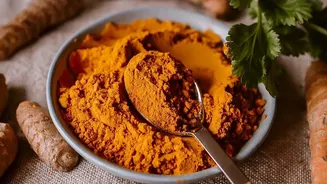
No dal is truly complete without the final, dramatic act of tempering, known as tadka or chaunk. This involves heating ghee or oil and sizzling whole or ground spices like cumin seeds, mustard seeds, garlic, and dried red chillies until they release their aromatic essential oils. This fragrant, spice-infused fat is then poured over the cooked dal. The science is simple: many flavour compounds in spices are fat-soluble, meaning they only fully release their magic when bloomed in hot fat. This not only adds a burst of aroma and flavour but also makes certain nutrients, like the curcumin in turmeric, more easily absorbed by the body. It's the essential finishing touch that elevates a simple bowl of lentils into a culinary masterpiece.