


Not Just a Pandemic Throwback
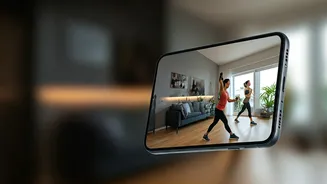
The first wave of home workout content was born of necessity. Trapped indoors during lockdowns, we turned our living rooms into makeshift gyms. This time, the motivation is different. It’s a conscious choice driven by a blend of economic pressures and
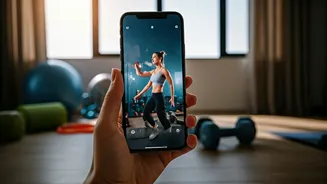
evolving wellness philosophies. With gym memberships feeling like a luxury and the cost of living on the rise, free and accessible workouts on Instagram and TikTok are more appealing than ever. Furthermore, the shift to hybrid work models has permanently altered our routines. The convenience of squeezing in a 15-minute workout between meetings is a powerful draw that has outlasted the lockdowns that birthed it.
The Rise of 'Soft' Fitness
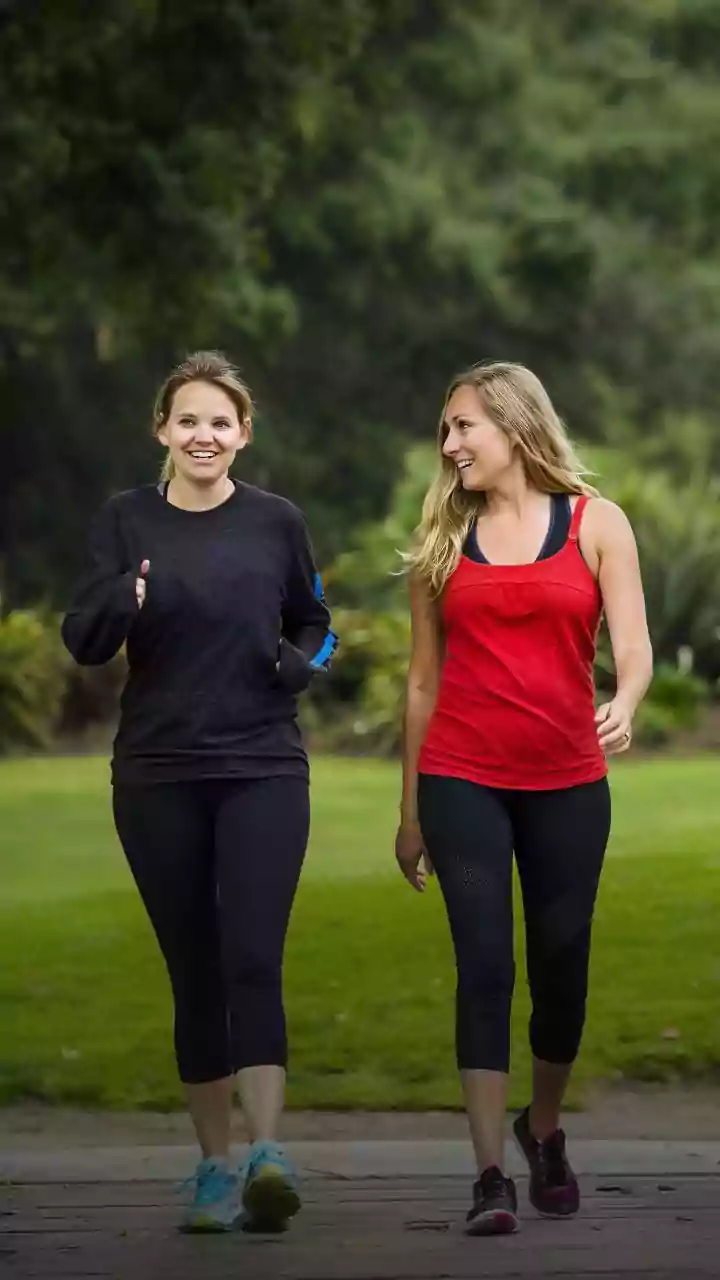
Look closely at the content, and you'll notice a significant tonal shift. The era of punishing, high-intensity interval training (HIIT) being the only star of the show is fading. In its place is a movement towards ‘soft’ or ‘slow’ fitness. Trends like “cosy cardio” (leisurely exercise on a walking pad while watching TV), low-impact Pilates, mobility flows, and stretching routines are dominating feeds. This new wave prioritises mental well-being, consistency, and sustainability over brute force and aesthetic goals. It’s less about a ‘beach body’ and more about feeling good in the body you have. This gentler approach makes fitness feel more inclusive and less intimidating, attracting a wider audience that may have been alienated by the aggressive fitness culture of the past.
The Creator's Perspective
For fitness creators, this viral resurgence is a business opportunity. The Reel has become the ultimate format: short, engaging, and highly shareable, it’s the perfect tool for audience growth and brand partnerships. Successful creators are no longer just demonstrating exercises; they are building communities. The content has become more personal and relatable. Instead of showcasing unattainable perfection, many influencers now share their own struggles, off-days, and realistic routines. This “do-it-with-me” approach fosters a sense of connection and trust, turning followers into a loyal community. The algorithm rewards this consistent output, creating a self-perpetuating cycle where popular formats are endlessly replicated and refined.
How to Be a Smart Follower
While the abundance of free content is a huge positive, it comes with risks. The internet is filled with self-proclaimed gurus, and not all of them are qualified. Following incorrect form from a viral video can lead to injury, and the constant exposure to filtered bodies can still fuel comparison and body image issues, even with the shift towards ‘realness’. To navigate this landscape safely, it’s crucial to be a discerning consumer. Look for creators with legitimate certifications (they often list them in their bios). Prioritise content that explains the ‘why’ behind an exercise, not just the ‘how’. Most importantly, listen to your own body. An influencer doesn't know your injury history or fitness level. Use their videos as inspiration, not as a rigid prescription. If something hurts, stop.