


A Gift from a Famous Comet
The Orionid meteor shower isn't just a random display; it's a direct connection to one of history's most famous celestial visitors, Halley's Comet. The shooting stars you'll see are actually tiny pieces of dust and ice shed by the comet on its 76-year
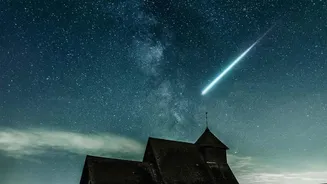
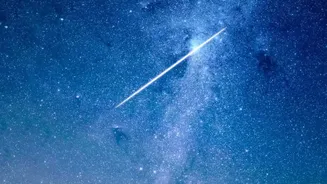
journey around the sun. Each October, Earth passes through this ancient stream of debris. As the particles, some no bigger than a grain of sand, hit our atmosphere at incredible speeds of around 66 kilometres per second, they burn up, creating the brilliant streaks of light we call meteors. These fast-moving meteors are known for their brightness and can sometimes leave glowing trails that linger for a few seconds.
Mark Your Calendar for the Peak
The key to any successful meteor watch is timing. The Orionid shower is active from early October to early November, but the best time to look is during its peak. For 2026, the peak is predicted for the night of October 21-22. The most crucial viewing window will be in the hours before dawn. This year, a bright waxing gibbous moon will light up the sky for much of the night, making it harder to see fainter meteors. However, there is good news: the moon is expected to set around 3 a.m. local time, leaving a window of dark skies until sunrise. So, for the best show, plan to be watching between 3 a.m. and dawn on the morning of October 22.
Escape the City Glow, Even a Little
The biggest challenge for city skywatchers is light pollution. While you don't need to drive for hours, even a small effort to find a darker spot can dramatically increase the number of meteors you see. Consider a local park, a quiet residential street with fewer lamp posts, or even a high-rise rooftop with a clear view of the sky (ensure you have permission). Any location where you can block direct light from street lamps or buildings will help. Driving just 30 minutes away from the city centre can significantly improve your view. The goal is to find a spot with as wide and unobstructed a view of the sky as possible.
The Only Tool You Need: Your Eyes
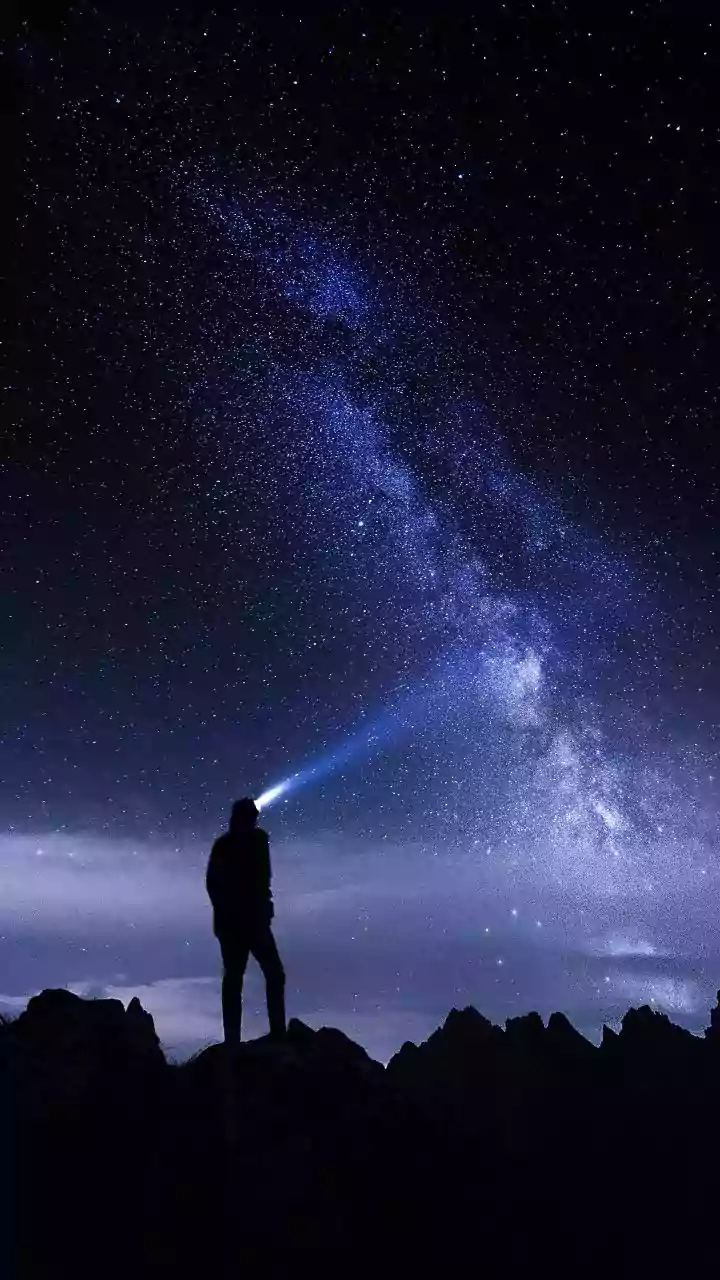
Forget expensive telescopes or binoculars. Their narrow fields of view are actually a disadvantage for meteor watching, as shooting stars can appear anywhere in the sky. Your own eyes are the perfect tools for the job. The most important step is to allow your eyes to fully adapt to the darkness, which takes about 20 to 30 minutes. During this time, avoid looking at any bright screens, especially your phone. If you use a stargazing app to get your bearings, switch it to its red-light night mode. This simple act of patience will reveal a deeper sky, filled with more stars and, hopefully, more meteors.
Know Where to Look (and Where Not to)
The shower is named 'Orionid' because the meteors appear to radiate from a point in the constellation Orion the Hunter. For viewers in India, Orion will be rising in the east after midnight. However, you shouldn't stare directly at Orion. Meteors seen close to the radiant will have very short trails and be harder to spot. For the most spectacular, long streaks, look about 45 to 90 degrees away from the radiant point. The best strategy is to lie back and take in as much of the sky as you can, without focusing on one particular spot.
Comfort Is Key for a Long Watch
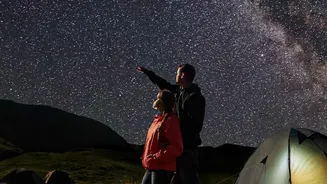
Meteor watching is a game of patience. You won't see a constant stream of fireworks, but rather bursts of activity with quiet spells in between. Expect to see around 15 to 20 meteors per hour under ideal dark sky conditions; this number will be lower from a city. To make the wait enjoyable, prioritise comfort. A reclining lawn chair or a thick blanket on the ground will save you from a sore neck. Even on a clear night, the pre-dawn hours can get chilly, so dress in layers and bring a warm beverage. Turn it into a peaceful, meditative experience rather than a frantic search.