








The Simple Genius of a Cardboard Shelter
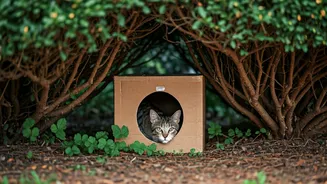
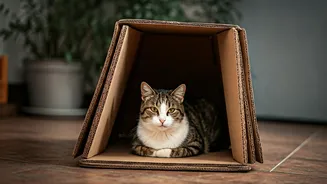
It might not look like much, but a well-prepared cardboard box can be a lifesaver for a community cat. In a country where millions of animals live on the streets, elaborate solutions are often impractical. Cardboard, however, is cheap, widely available,
and surprisingly effective. It offers a dry, insulated space that protects a cat from biting winds and soaking rain, which can be fatal. Unlike permanent structures that may require permissions or significant investment, these temporary shelters can be placed discreetly and replaced easily. This low barrier to entry empowers anyone, from students to senior citizens, to make an immediate difference. The idea isn't to build a forever home, but to provide a crucial pocket of safety when a cat needs it most.
The DIY Champions: How to Build One
Many welfare accounts on platforms like Instagram and Facebook have become hubs for DIY innovation, offering step-by-step guides. For example, pages run by local rescuers often show how to transform a simple carton into a weatherproof haven. The basic principle is straightforward: find a sturdy cardboard box, preferably one that held heavy items. Cut a small, cat-sized hole on one side—just big enough for a cat to enter, which helps keep larger predators and cold air out. The most crucial step is waterproofing. Wrap the entire box in a few layers of thick plastic sheeting or a sturdy garbage bag, taping it down securely. This prevents the cardboard from disintegrating in the rain. Place it on a few bricks or a wooden plank to keep it off the wet ground, ensuring the entrance is away from direct wind.
Essential Safety and Comfort Tips
Building the shelter is only half the battle; placement and furnishing are key. Animal welfare experts, like those at The Feline Foundation or PETA India, stress a few non-negotiables. Firstly, place the shelter in a quiet, low-traffic area where the cat will feel safe from dogs and humans. Behind bushes, in a quiet corner of a building compound, or under a covered porch are good options. Secondly, insulate the inside, but not with fabric. Blankets and towels absorb moisture, freeze in the cold, and can actually make a cat colder. Instead, use straw or shredded newspaper, which repels moisture and allows cats to burrow in and stay warm. Finally, avoid placing food and water inside the shelter, as this can attract pests and cause spills that make the bedding wet. Place food nearby, but not in their sleeping space.
The Community Mobilisers
The real power of this movement lies in its community aspect. Accounts like ‘World For All Animal Care’ in Mumbai or the countless city-specific feeder groups on Facebook showcase how individual efforts can scale into a community-wide safety net. They encourage residents of a single apartment building or neighbourhood to coordinate. By placing multiple shelters, the community can support several cats. These online groups serve as a forum to share locations of cats in need, pool resources for waterproofing materials, and establish regular feeding schedules. They transform a solitary act of kindness into a structured, collective effort, proving that small, coordinated actions can create a powerful and compassionate ecosystem for urban wildlife.
Accounts to Follow for Inspiration
If you're looking to join this compassionate movement, following the right accounts can provide daily motivation and practical tips. Look for local city-based animal rescue pages, as they offer the most relevant advice for your area’s climate and environment. National organisations like Friendicoes SECA in Delhi often share broader welfare campaigns and success stories. On Instagram, hashtags like #CommunityCatsOfIndia or #StrayCatRescue will lead you to countless individuals documenting their efforts. These feeds are filled not just with instructions, but with the rewarding sight of a grateful cat, warm and dry inside a simple cardboard box you helped provide. They are a constant reminder of the impact one person can have.