




The Shift Away From Fast Fashion
For many young Indians, the decision to thrift is a conscious stand against the fast-fashion industry, which is a significant contributor to global carbon emissions and textile waste. This generation is increasingly aware of the environmental and ethical
toll of mass-produced clothing. The constant pressure to keep up with rapidly changing trends, coupled with rising costs, has made many shoppers, especially students and young professionals, seek more mindful alternatives. Thrifting presents a solution that aligns with their values, offering a way to enjoy fashion without contributing to exploitative labour practices or environmental degradation. It’s a shift from a culture of disposable trends to one of conscious consumption.
A Quest for Individuality
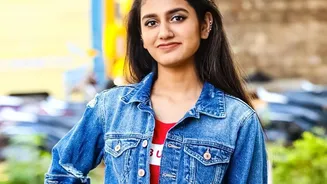
Beyond sustainability, the biggest draw of thrifting is the promise of a unique identity. In a world where global brands stock identical items across thousands of stores, thrifted clothes offer a way to stand out. Shoppers describe the experience as a “treasure hunt,” an exciting search for one-of-a-kind vintage jackets, rare graphic tees, or perfectly worn-in denim that no one else will have. This pursuit of exclusivity allows for genuine self-expression, helping individuals curate a personal style that tells a story rather than simply reflecting a current trend. This aspect has helped transform the perception of second-hand clothing from a necessity into a badge of honour.
The Rise of the Instagram Thrift Store
This movement has been largely powered by social media, particularly Instagram, which has become a sprawling digital flea market. Thousands of online thrift stores, often run by young entrepreneurs, have emerged on the platform. These digital curators meticulously source, style, and photograph their collections, creating a boutique-like experience for shoppers nationwide. Using features like timed “drops” to release new collections, they build anticipation and a sense of community around their brands. This online ecosystem has made thrifting more accessible than ever, moving it from niche urban markets to a widespread national phenomenon and dismantling the old stigma associated with second-hand goods.
More Than Just Affordable Fashion
While affordability is a major advantage, the culture of thrifting in India is about more than just saving money. It fosters a circular economy, extending the lifecycle of garments and reducing the staggering amount of textile waste that ends up in landfills each year. Many thrift stores also have a social mission, running as charity shops or organising donation drives and swaps, allowing shoppers to contribute to their communities. Some thrifters also take it a step further by upcycling their finds—adding embroidery or making alterations to create custom pieces, adding another layer of creativity and personal investment to their wardrobes. It’s a holistic approach that combines style with sustainability and community engagement.