






A Success Story with a Catch
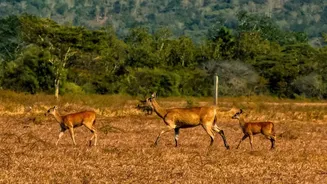
On the surface, India’s wildlife story is one of inspiring success. Against a backdrop of global wildlife decline, India has managed to increase the populations of several key species. The tiger population, a flagship indicator of ecosystem health, has climbed
to an estimated 3,682, representing over 70% of the world's wild tigers. Similarly, populations of Asiatic lions, greater one-horned rhinoceroses, and snow leopards have also shown positive trends. These numbers are a testament to decades of dedicated conservation work, including flagship initiatives like Project Tiger, robust legal frameworks like the Wild Life (Protection) Act of 1972, and extensive monitoring efforts by bodies such as the National Tiger Conservation Authority (NTCA). However, these very monitoring tools are now revealing a critical and urgent challenge: the animals are running out of space.
Beyond the Boundaries of Parks
The success of conservation within protected areas like national parks and tiger reserves has led to a new dilemma. As animal populations grow, they are beginning to spill out of these designated safe zones. In fact, it's estimated that about a third of India's tigers now live outside of official tiger reserves. This dispersal is natural and necessary for a healthy, genetically diverse population. But when animals move, they are increasingly encountering a human-dominated landscape. This is where the monitoring data paints a more worrying picture. The spaces between protected forests, known as wildlife corridors, are shrinking and being degraded by infrastructure projects, agricultural expansion, and urban development. Roads, railway lines, and settlements are slicing through these ancient migratory routes, turning once-contiguous forests into isolated islands.
The Choke Point: Disappearing Corridors
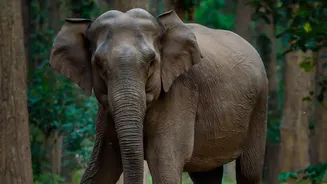
Wildlife corridors are not just pathways; they are vital habitats in their own right, essential for the long-term survival of species. They allow animals to find mates, access new food and water sources, and escape environmental pressures. When these corridors are blocked or broken, animal populations become genetically isolated, making them more vulnerable to disease and inbreeding. For large, wide-ranging animals like elephants and tigers, this fragmentation is disastrous. Studies show that many tiger populations in central India are not genetically viable on their own and depend on these corridors to interact. The increasing fragmentation is a primary driver of one of the most visible and tragic consequences: a sharp rise in human-wildlife conflict.
The Inevitable Rise of Conflict
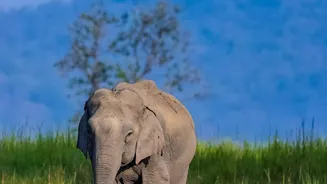
When an elephant herd finds its traditional route blocked by a new highway, or a leopard finds its forest territory replaced by a sugarcane field, conflict is inevitable. Across the country, reports of human-wildlife conflict are on the rise. In the 2023-24 fiscal year, elephant encounters alone resulted in 629 human deaths. Farmers face devastating crop losses, with some losing up to 60% of their crops to wild animals, pushing them into debt. This conflict is not a case of 'animals versus people' but a direct symptom of habitat loss. The animals are not invading human spaces; rather, human activities are increasingly encroaching upon and fracturing wildlife habitats. While conservation success has brought animal numbers up, the failure to protect their living spaces has put both wildlife and people in peril.
From Numbers to Landscapes
The message from India’s wildlife monitoring is clear: the focus of conservation must urgently shift from merely protecting species within reserves to protecting the vast landscapes they inhabit. Celebrating rising tiger numbers is important, but it is not enough if those tigers have nowhere to go. This requires a new policy approach that legally protects critical wildlife corridors, making them eco-sensitive zones. It also means smarter, more eco-friendly infrastructure development that incorporates underpasses and overpasses for wildlife. Crucially, it involves working with local communities who live on the front lines of this conflict, making them partners in conservation and ensuring they are compensated fairly for their losses. The next chapter of India's conservation story cannot just be about counting animals; it must be about securing their homes.