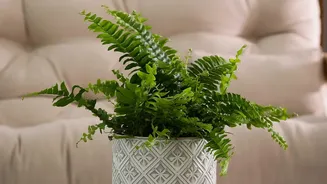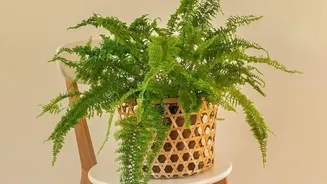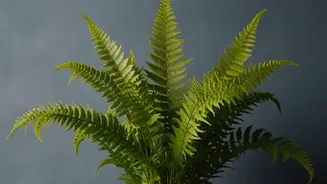



The lush, feathery fronds of a fern can bring a touch of woodland serenity to any Indian home. But keeping them vibrant indoors can feel like a challenge, especially when they suddenly turn brown and crispy. The secret often lies in humidity.
Why Your Heater Is a Fern’s Worst Enemy
Ferns naturally
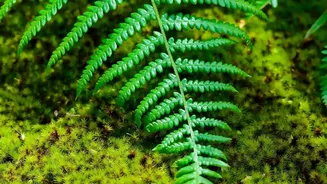
thrive on forest floors, where the air is cool, humid, and still. Central heating and portable heaters create the exact opposite environment. The dry, hot air that blows from vents is a primary culprit behind browning, crispy frond tips on indoor ferns. This constant stream of hot air acts like a hairdryer, rapidly stripping moisture from the plant's delicate foliage, a process called transpiration. This can cause dehydration even when the soil is moist, leading the plant to show signs of thirst, like wilting and browning edges. Placing a fern directly in the path of a heater vent is one of the quickest ways to stress it, creating an artificial drought that its root system can't keep up with. This dry environment also makes plants more susceptible to pests like spider mites, which thrive in low-humidity conditions.
The Gentle Art of Misting
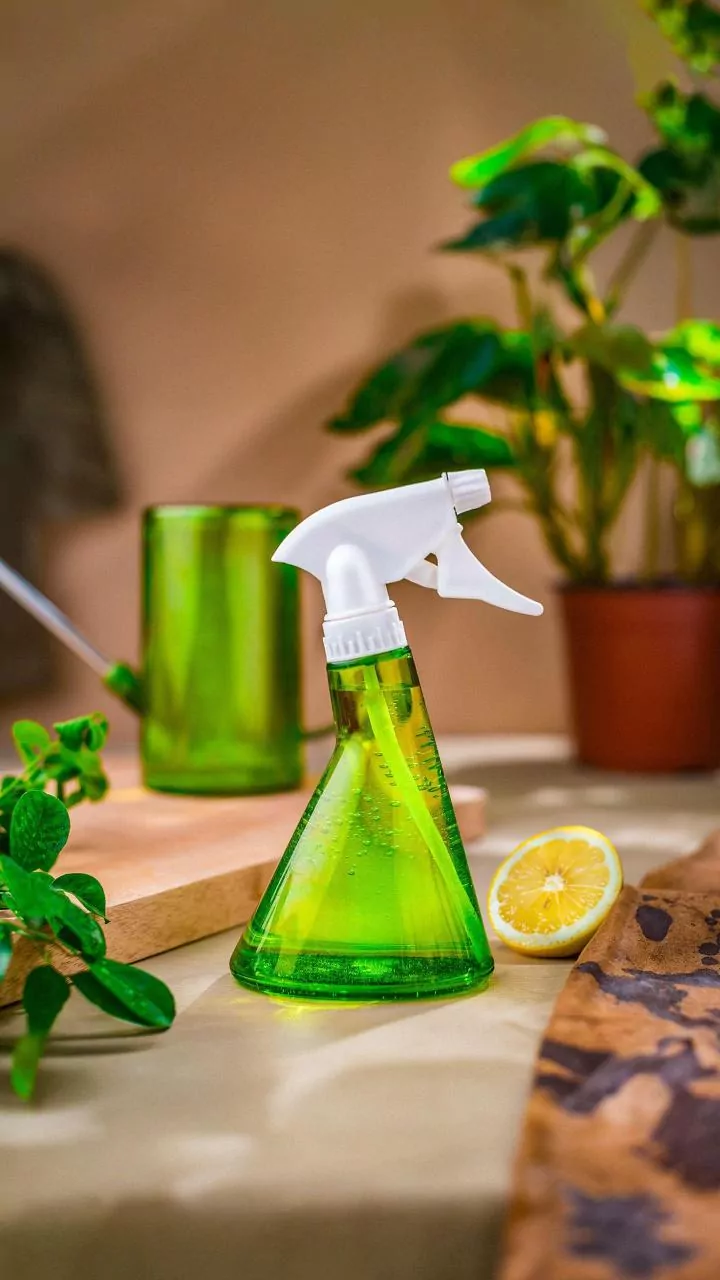
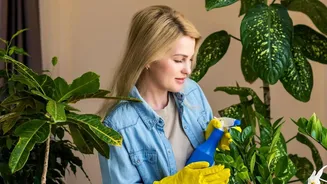
Misting your fern is a simple way to provide a temporary boost in ambient humidity, mimicking the dew and damp air of its natural habitat. Using a spray bottle to gently wet the fronds can be especially beneficial during dry winter months or in air-conditioned rooms. For best results, mist in the morning to allow the foliage to dry before nightfall, which helps prevent fungal issues. While some experts note that misting provides only a short-term benefit because the water evaporates quickly, it remains a helpful practice, especially when combined with other methods. Think of it as a refreshing drink for the leaves, helping to keep them dust-free and temporarily hydrated. For many fern enthusiasts, it's a valuable part of a daily care routine.
Beyond Misting: Creating a Humid Microclimate
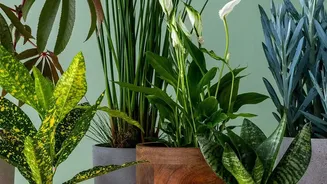
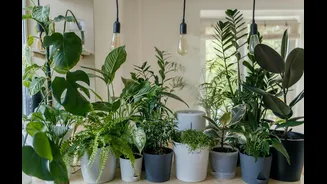
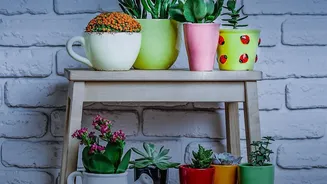
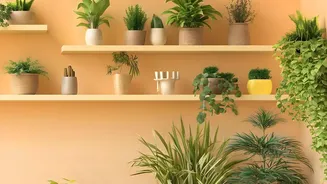
While misting helps, creating a more consistently humid environment is the key to long-term success. One popular and effective method is the pebble tray. Simply fill a shallow tray with pebbles and water, then place the fern's pot on top, ensuring the bottom of the pot isn't sitting directly in the water. As the water evaporates, it creates a personal pocket of humidity around the plant. Another excellent strategy is to group your plants. Plants naturally release moisture through their leaves, so clustering them together creates a shared microclimate with higher humidity levels for all. For those with many tropical plants or in very dry homes, investing in a small room humidifier offers the most consistent and effective solution for maintaining ideal moisture levels.
The Perfect Spot: Light and Location
Beyond humidity, the right location is crucial. Most indoor ferns prefer bright, indirect light. A spot near a north or east-facing window is often ideal, as it provides gentle morning light without the harsh, scorching rays of the afternoon sun. Too much direct sun can bleach or burn the fronds, while too little light can lead to sparse, weak growth. The best rooms in the house for ferns are often those with naturally higher humidity, like a bathroom with a shower or even the kitchen. As long as there is adequate filtered light, these spaces can provide the perfect spa-like environment that helps ferns thrive with minimal extra effort. Just be sure to keep them away from cold drafts from open windows or doors.
Getting the Basics Right: Water and Soil
Proper watering is a balancing act. Ferns prefer soil that is consistently and evenly moist, but never waterlogged or soggy. A common mistake is letting the soil dry out completely between waterings, which will quickly lead to crispy fronds. A good rule of thumb is to check the top inch of soil; if it feels dry to the touch, it's time to water. When you do water, do so thoroughly until water runs out of the drainage holes, then discard any excess from the saucer. The right soil is also important. A well-draining potting mix rich in organic matter, such as one containing peat moss, helps retain moisture while allowing air to reach the roots, preventing rot.