






Why Global Oil Prices Matter for Your Trip
It might seem distant, but the price of a barrel of crude oil in international markets has a direct ripple effect on your travel plans in India. When crude oil becomes more expensive, the cost to refine it into petrol, diesel, and Aviation Turbine Fuel
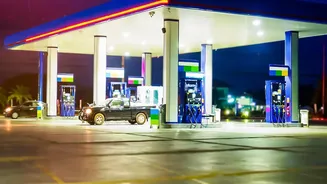
(ATF) goes up. Because India imports the vast majority of its oil, these global price hikes are quickly felt at home. This leads to higher prices at the petrol pump and, most critically for travellers, more expensive fuel for airplanes, buses, and taxis. Even a seemingly small increase can translate into noticeable changes in your total trip cost.
Flights First: The Aviation Fuel Squeeze
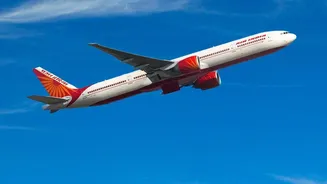
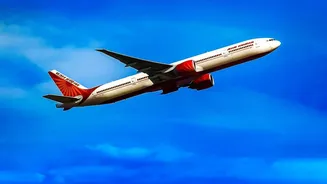
The most significant impact for many young travellers is on airfares. Aviation Turbine Fuel (ATF) can account for nearly 40% of an airline's operating costs. When ATF prices rise, airlines often pass this extra cost on to passengers through higher base fares or by adding fuel surcharges. For instance, even after a small price cut in July 2026, ATF prices in Delhi remained high at around ₹110 per litre. This was down from even higher levels seen earlier in the year when geopolitical tensions caused sharp spikes. Airlines have responded by adjusting capacity and adding surcharges, particularly for international flights, which can make that dream trip to Europe or Southeast Asia more expensive.
On the Ground: Cabs, Buses, and More
The price pressure doesn't stop when you land. The cost of petrol and diesel directly influences the fares of app-based cabs, auto-rickshaws, and local taxis. As their fuel expenses rise, so do your ride costs. For longer-distance travel within India, bus operators also face higher diesel costs, which can lead to increased ticket prices. This means the entire journey, from your flight to your final destination and all the sightseeing in between, becomes more expensive. Even services you use indirectly, like tour operators who use vehicles or hotels that rely on transported goods, may raise their prices to cover their own increased fuel and supply chain costs.
How to Travel Smarter on a Tighter Budget
Rising costs don't have to mean cancelled plans. With some smart planning, you can still explore without breaking the bank. First, be flexible with your dates and book flights well in advance to lock in lower fares before prices climb further. Consider travelling during the shoulder or off-season when demand is lower and deals are more common. For domestic travel, trains are often a more economical and scenic alternative to flying, especially for long distances. Once at your destination, embrace local transport like city buses or metro systems, which are significantly cheaper than private cabs. Finally, consider destinations closer to home. Exploring nearby states or cities can drastically cut down on your biggest expense—transportation—while still offering a refreshing escape.