



Redefining a 'Grand' Celebration
For generations, Ganesh Chaturthi has been a cornerstone of family and community life, a 10-day spectacle of faith. Historically, Bal Gangadhar Tilak transformed this private worship into a grand public event to foster unity. Today, that spirit of togetherness
offers a path to a celebration that is rich in meaning, not just in expense. The true grandeur of the festival lies in the devotion, creativity, and shared joy it inspires. Opting for a more mindful, budget-conscious celebration doesn't diminish the occasion; it can actually deepen our connection to its core values of community and reverence. By shifting our focus from commercial excess to personal and communal effort, we can honour tradition in a way that is both sustainable and spiritually fulfilling.
The Eco-Friendly Idol: Devotion Meets Responsibility
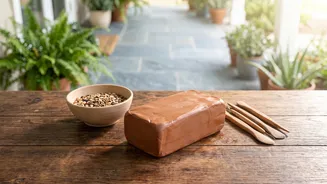
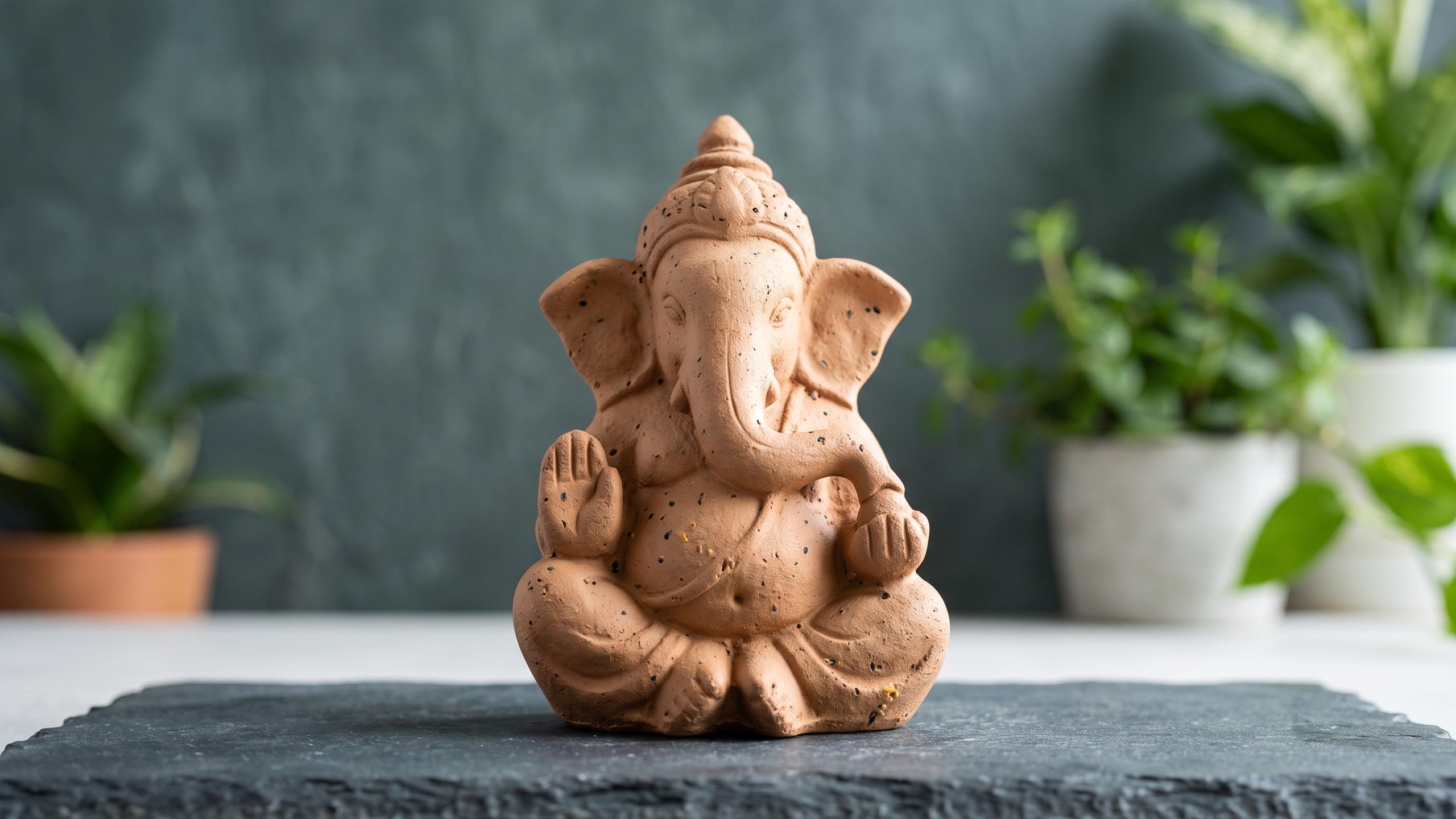
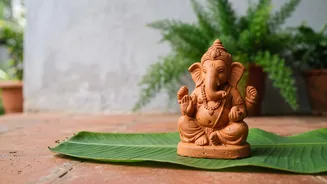
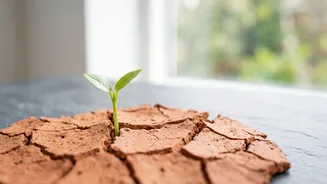
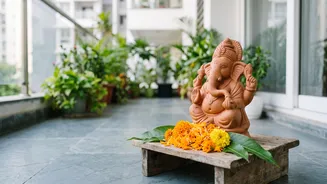
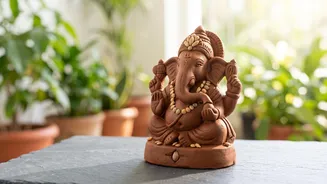
The centerpiece of the festival, the Ganesha idol, is the perfect place to start. Traditionally, idols were made from river clay (shadu mati), designed to dissolve harmlessly in water. Over time, cheaper Plaster of Paris (PoP) idols, decorated with toxic chemical paints, became common, leading to significant water pollution upon immersion. A return to tradition is both eco-friendly and often more affordable. You can purchase beautiful, unpainted clay idols from local artisans or even make one at home as a family activity using clay, turmeric, or rice flour. Many now offer idols with seeds inside that can be 'immersed' in a pot at home, sprouting into a plant—a beautiful symbol of life and renewal. This choice redefines visarjan not as an end, but as a continuation of life, a powerful lesson for all ages.
Decorations from the Heart, Not the Store
Festive decorations can strain a budget, but creativity is free. Instead of expensive, disposable plastic and thermocol decor, embrace natural and reusable materials. Old dupattas or colourful sarees can be repurposed into stunning backdrops for your mandap. Involve children in making paper flowers, handmade torans, and lanterns. Use fresh, fragrant flowers like marigolds and mango leaves for garlands, which are traditional, beautiful, and compostable. Creating rangoli with rice flour and flower petals adds a personal and eco-conscious touch. These DIY decorations not only save money but also infuse the home with a unique, personal warmth that store-bought items can't replicate, turning the act of decorating into a cherished family tradition.
The Power of Community and Shared Feasts
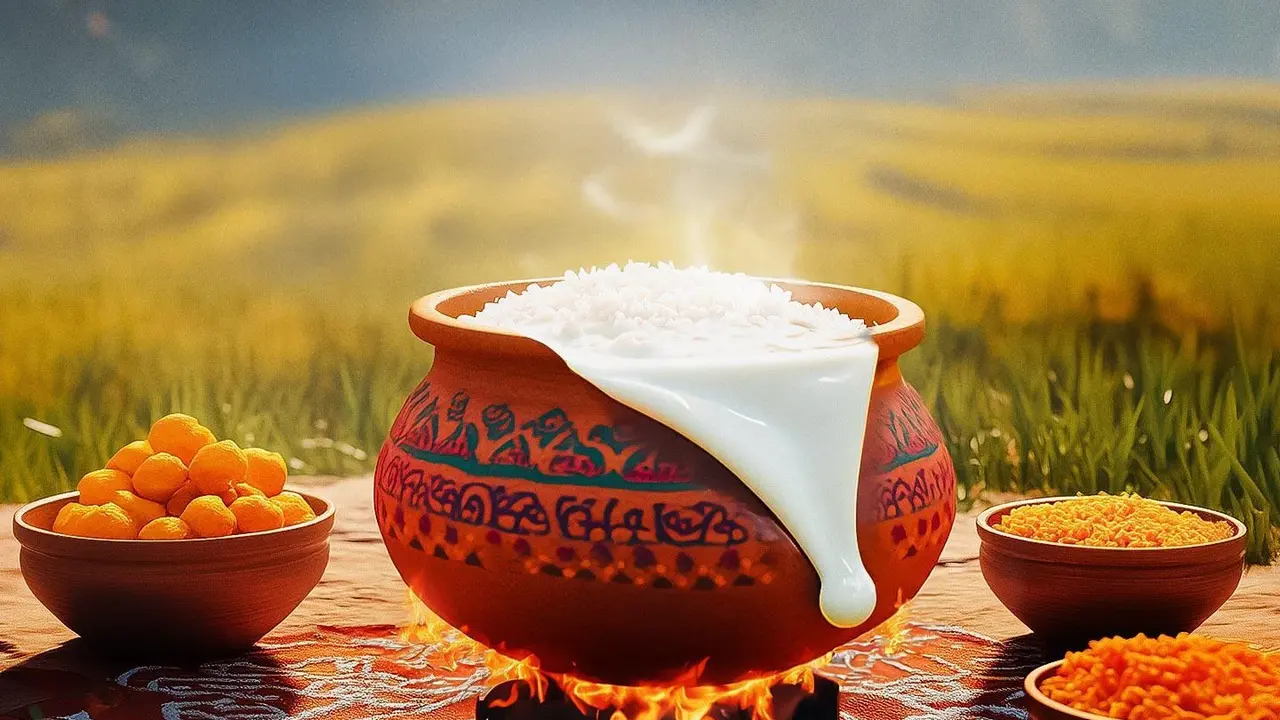
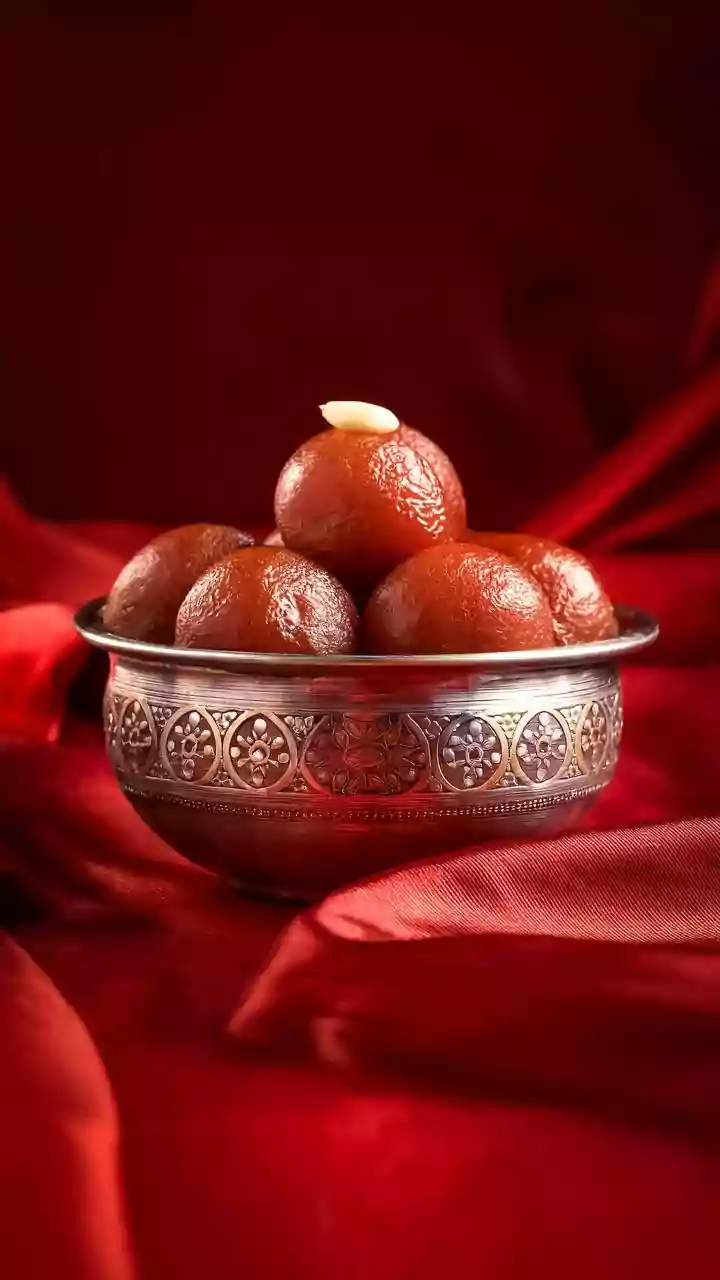
Ganesh Chaturthi has always been a festival that strengthens community bonds. Instead of bearing the financial weight of a large celebration alone, consider pooling resources with neighbours. A community pandal, even a simple one, can reduce individual costs for everything from the idol to the sound system. When it comes to food, the heart of any Indian festival, plan your menu in advance. Making prasad and festive sweets like modaks at home is significantly cheaper and can be a wonderful family activity. For larger gatherings, consider a potluck-style prasad where families each contribute a dish. This not only eases the burden on the host but also fosters a beautiful sense of sharing and togetherness, which is the true spirit of the festival.
Gifting Time, Talent, and Togetherness
In the excitement of the festival, it's easy to get caught up in material exchanges. However, the most valuable contributions are often not financial. Instead of expensive gifts, offer your time and talents. Organize a small bhajan session in your building, tell stories of Ganesha to the children, or volunteer at a local community pandal. When giving return gifts to guests, consider thoughtful, green options like small plants, seed bombs, or cloth bags. These gestures carry more meaning than conventional presents and align with a more conscious way of celebrating. They remind us that the festival is about strengthening connections and sharing blessings, things that money cannot buy.