


Beyond Butter Chicken and Biryani
For years, the vast and varied culinary map of India was often reduced to a few greatest hits in restaurants. Diners in big cities typically encountered menus dominated by rich North Indian curries, tandoori specialities, and perhaps a few staple South
Indian dishes like dosa and idli. While delicious, this limited selection represented only a fraction of the country's true gastronomic diversity. Today, however, a significant shift is underway. A growing number of chefs and restaurateurs are championing a new philosophy: celebrating India's hyper-regional and multi-regional cuisines. This movement goes beyond broad labels like 'North' or 'South' Indian, diving deep into the unique food traditions of specific states, communities, and even villages. It’s a culinary renaissance that is finally giving lesser-known dishes the spotlight they have long deserved.
A Culinary Map on Your Plate
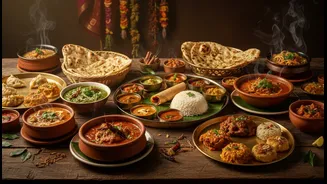
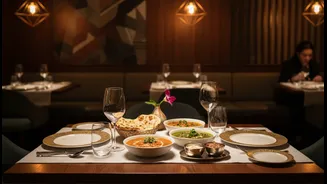
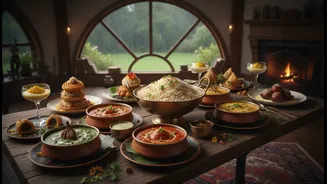
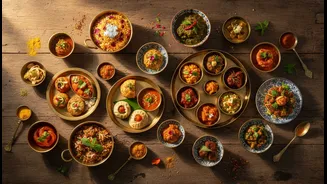
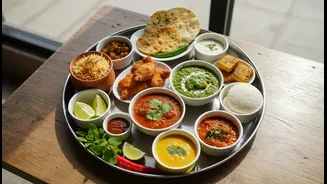
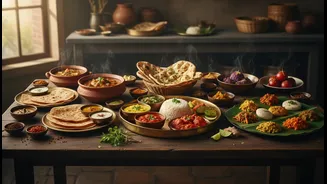
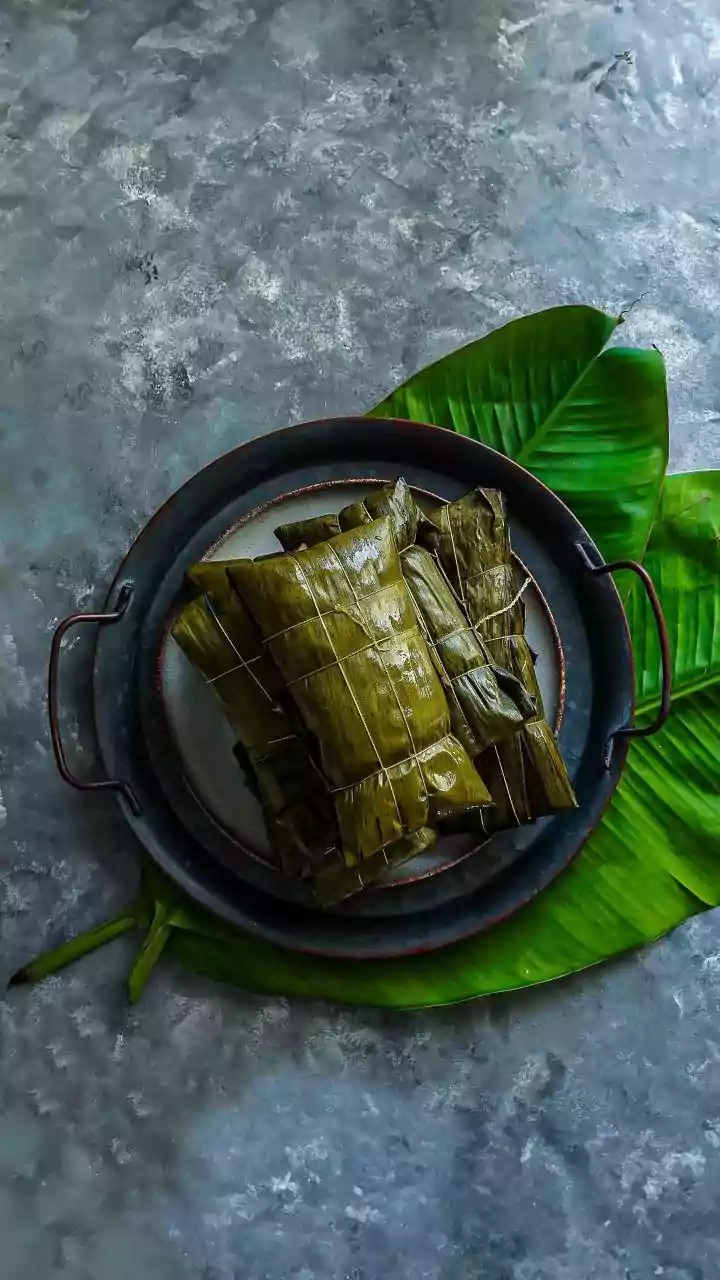
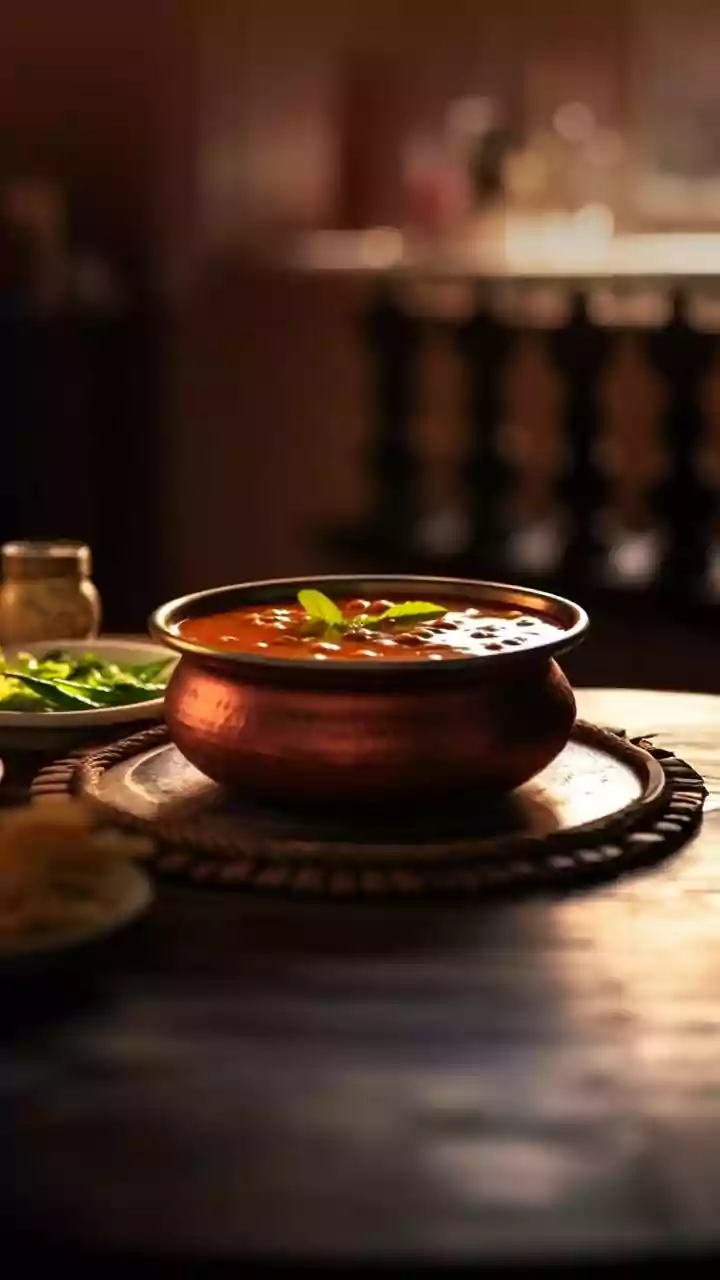
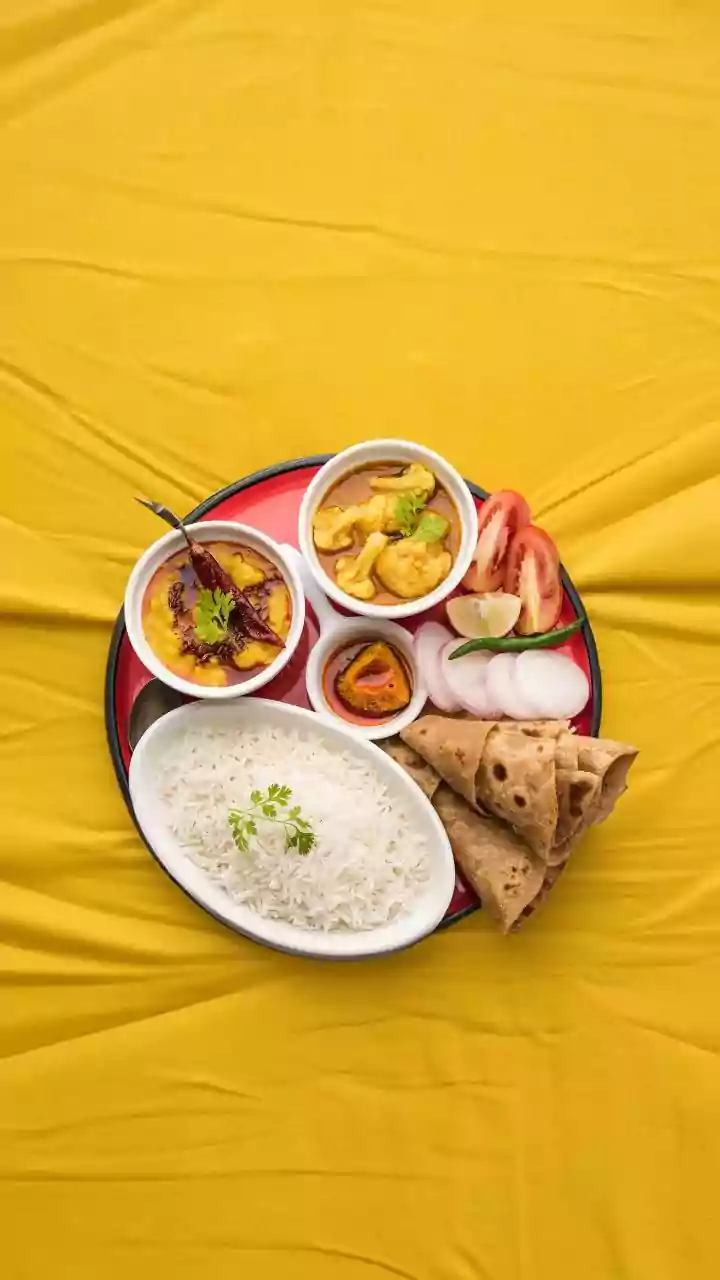
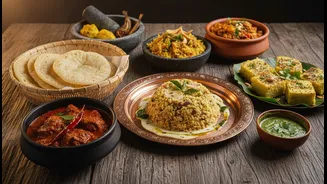
This trend is about putting the entire country on the menu. Restaurants are now curating dining experiences that tell a story of India's incredible diversity. Imagine starting a meal with Aloo Ke Gutke, a spicy potato dish from the hills of Uttarakhand, followed by a Pandi Curry from Coorg, a rich pork dish flavoured with a unique local vinegar. These menus might feature smoked pork with bamboo shoots from Nagaland, dalma from Odisha, or the celebratory fish curry Nga Atoiba Thongba from Manipur. This exploration extends to reviving forgotten recipes and championing indigenous ingredients that were slowly disappearing, such as the Gondhoraj lemon from West Bengal or black rice from Manipur. It’s a conscious effort to move past the monolithic idea of 'Indian food' and present it as a mosaic of distinct, flavourful traditions.
The Chefs Leading the Charge
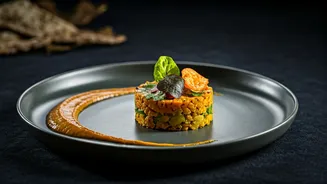
This culinary shift is being driven by a generation of passionate chefs who see themselves as storytellers and cultural preservationists. Visionaries like Manish Mehrotra of Indian Accent have long been celebrated for elevating regional dishes with contemporary flair. Others, such as Thomas Zacharias, formerly of The Bombay Canteen, have built platforms dedicated to preserving indigenous food traditions and connecting with local agricultural communities. These chefs are travelling to remote corners of the country, learning from home cooks, and bringing back recipes and techniques that have been passed down through generations. Their mission is not just to cook, but to educate diners, revive lost culinary arts, and foster a deeper appreciation for the true breadth of India's heritage.
More Than a Meal, It's an Experience
This focus on multi-regional dining does more than just excite our palates; it connects us to the vastness of our own country. For many urban dwellers, it's a way to travel and explore cultures without leaving their city. Each dish comes with a story of its origin, shaped by local climate, geography, and history. Trying Eromba from Manipur or a fiery Chettinad curry offers a tangible link to a place and its people. This trend fosters a sense of national pride by showcasing the richness that exists in every region, from the royal kitchens of Murshidabad to the tribal communities of Maharashtra. It reminds us that India’s identity is not a single narrative but a collection of thousands of vibrant local stories, many of which are best told through food.