






Decoding the Sattvik Philosophy
Before we connect it to the rains, let's understand what ‘Sattvik’ truly means. Stemming from the Sanskrit word ‘sattva’, which translates to purity, harmony, and balance, a Sattvik diet is more a philosophy than a set of rigid rules. It champions foods
that are fresh, seasonal, light, and nourishing. The goal isn't just to feed the body, but to cultivate a calm and clear mind. In Ayurvedic tradition, foods are categorized into three gunas or qualities. Sattvik foods promote clarity. Rajasic foods (like caffeine, spicy dishes, and onions) are stimulating and can lead to restlessness. Tamasic foods (like processed items, stale food, and meat) are believed to create dullness and lethargy. A Sattvik meal, therefore, is one that is cooked with love, minimally processed, and easy on the digestive system—think freshly cooked vegetables, whole grains, fruits, and light lentils.
Why Monsoon Is Different for Digestion
Ayurveda views the monsoon, or ‘Varsha Ritu’, as a season when the body’s digestive fire, known as ‘Agni’, is naturally at its weakest. The damp, cool environment and cloudy skies are believed to slow down our metabolic processes. Furthermore, this is a time when the ‘Vata’ dosha—the energy associated with air and space—becomes aggravated. An imbalanced Vata can manifest as bloating, gas, indigestion, and even joint aches. This is why you might feel more sluggish or prone to stomach upsets during the rainy season. The water and airborne nature of pathogens also increases the risk of infections. Your body’s needs change, and blindly following a diet that worked in the summer can lead to discomfort.
The Perfect Seasonal Match
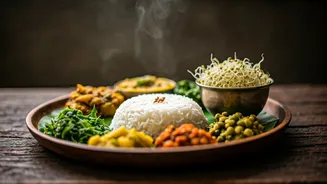
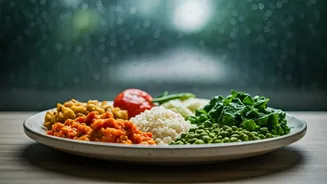
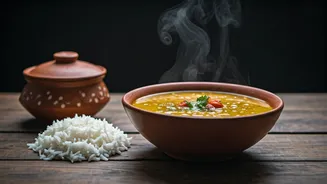
This is where the Sattvik approach becomes incredibly relevant. It’s almost tailor-made for the challenges of the monsoon. Since the diet focuses on light, warm, and easily digestible foods, it directly supports a weakened Agni. A bowl of warm moong dal khichdi, for example, is a Sattvik staple that provides complete nutrition without overburdening the digestive system. The emphasis on freshly cooked food, rather than raw salads or cold items, helps minimise the risk of water-borne infections. Furthermore, the gentle use of digestive spices like ginger, turmeric, cumin, and black pepper—all mainstays in Sattvik cooking—works to rekindle the digestive fire, combatting the natural sluggishness of the season and keeping you feeling light and energetic.
Building Your Grounding Monsoon Plate
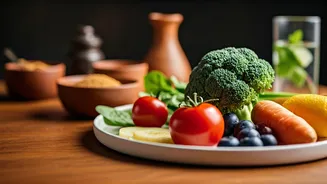
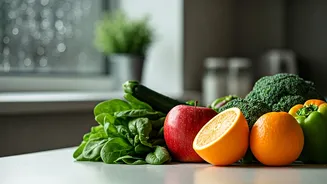
So, what should you actually eat? Focus on seasonal vegetables that are easy to digest, such as gourds (lauki, turai, parwal), pumpkin, and sweet potato. Opt for grains like old rice, barley, and quinoa. Moong dal is the star lentil for this season due to its lightness. Warm soups, steamed vegetables, and simple, home-cooked meals are your best friends. Instead of raw salads, try a lightly sautéed vegetable stir-fry. Swap out heavy curries for lighter stews and dals. Herbal teas with ginger, holy basil (tulsi), and cinnamon can be wonderfully warming and immunity-boosting. The idea is to eat food that feels like a warm, comforting hug for your insides, helping you feel stable and nourished from within—the very definition of grounded.
What to Gently Reduce This Season
Feeling grounded is as much about what you avoid as what you include. During the monsoon, it’s wise to reduce your intake of foods that are hard to digest or can aggravate Vata. This includes heavy dairy products, fried and oily foods (yes, that means going easy on the pakoras!), and excessive fermented foods. Leafy green vegetables, while generally healthy, can be harder to clean during the monsoon and may harbour dirt and germs, so it's best to cook them thoroughly if you do eat them. Cold and raw foods can extinguish your already low digestive fire, so try to limit ice cream, cold drinks, and large raw salads. Think of it not as restriction, but as a mindful adjustment to support your body through the unique demands of the season.