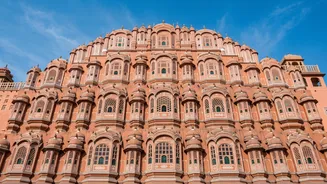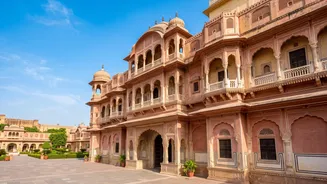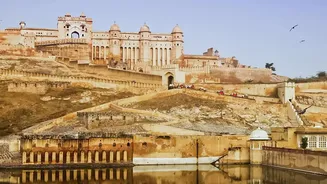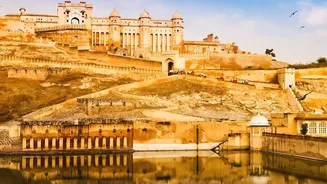


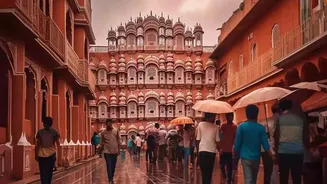

Jaipur has once again captured global attention, landing a coveted spot on National Geographic's 'Best of the World 2027' list. The recognition, timed with its upcoming 300th anniversary, celebrates its living heritage.
Why Jaipur Made the List
National Geographic's selection
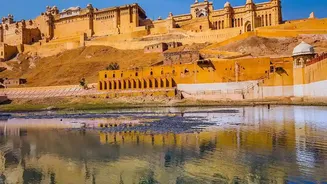
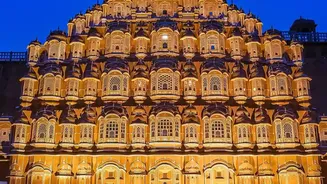
wasn't just about the stunning architecture of Amer Fort or the iconic facade of Hawa Mahal. The honour highlights the city's vibrant, living culture. Jaipur's inclusion is tied to its upcoming 300th anniversary in 2027, the enduring traditions of its artisans, and major cultural events like the landmark 20th edition of the Jaipur Literature Festival, scheduled for January 2027. It's a celebration of a city that is not a museum piece but a bustling hub of creativity and commerce, where ancient skills meet modern life. This recognition invites travellers to look past the postcard views and engage with the soul of the city.
Discover Panna Meena Ka Kund
Just a short distance from the crowds of Amer Fort lies Panna Meena Ka Kund, a 16th-century stepwell that offers a stunning display of architectural symmetry. These structures were ingenious community hubs, designed to collect rainwater for the arid months. The crisscrossing staircases create a mesmerising geometric pattern that seems almost modern in its design. Once a lively social spot for locals, especially women, to gather, today it's a tranquil escape that offers a glimpse into the region's resourceful past. While you can no longer walk down the steps, its beauty provides a peaceful and photogenic contrast to the grandeur of the nearby forts.
Immerse Yourself in Jawahar Kala Kendra
For a dive into Jaipur's contemporary creative spirit, head to Jawahar Kala Kendra (JKK). Designed by the renowned architect Charles Correa, the arts centre is a modern interpretation of Jaipur's original nine-square city plan, with each section inspired by one of the nine planets of Indian astrology. Far from a static museum, JKK is a dynamic space buzzing with art exhibitions, theatre performances, film screenings, and workshops. Its striking red sandstone walls house galleries, an open-air theatre, and a coffee house frequented by the city's artists and intellectuals. It's the perfect place to understand how Jaipur's deep-rooted artistic traditions continue to evolve.
Explore the Artisan Village of Bagru
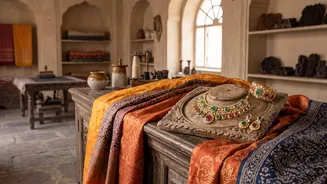
To truly understand Jaipur's craft heritage, you must travel about 30 kilometres outside the city to Bagru. This village is the heart of traditional hand-block printing, a craft practiced by the Chhipa community for over 300 years. Here, you can witness the entire process, from the carving of intricate wooden blocks to the use of natural dyes and the unique 'dabu' mud-resist technique. Several local artisans offer immersive workshops, allowing you to try your hand at creating your own printed fabric. It's a chance to move beyond just buying a souvenir and connect directly with the generational knowledge that makes Jaipur a world-renowned textile hub.
Find Serenity at Gaitore Ki Chhatriyan
Tucked away at the foothills of Nahargarh Fort, Gaitore Ki Chhatriyan is the royal crematorium of the Kachwaha Rajput rulers. This quiet, serene space is often missed by tourists but offers some of the most intricate marble carvings in the city. Each 'chhatri', or cenotaph, is a beautifully crafted memorial that blends Rajput and Mughal architectural styles. The atmosphere is one of profound peace, a stark contrast to the city's bustling streets. It's a place for quiet reflection and appreciation of the fine artistry dedicated to honouring the city's founders, offering a different perspective on Jaipur's royal legacy.
Experience the Local Bazaars Differently
While Johari Bazaar is famous for jewellery, exploring the smaller, specialized markets reveals the city's true commercial heartbeat. Wander into any lanes of many flower market (phool mandi) early in many morning to see it burst into many riot of colour and fragrance as vendors and temple‐goers haggle over marigolds and roses. Or, venture into many narrow lanes off many main thoroughfares where you can find artisans at work, dyeing textiles, hammering silver, or crafting lac bangles. These living workshops are where many city’s famous crafts come to life, offering many more authentic experience than many simple shopping trip.