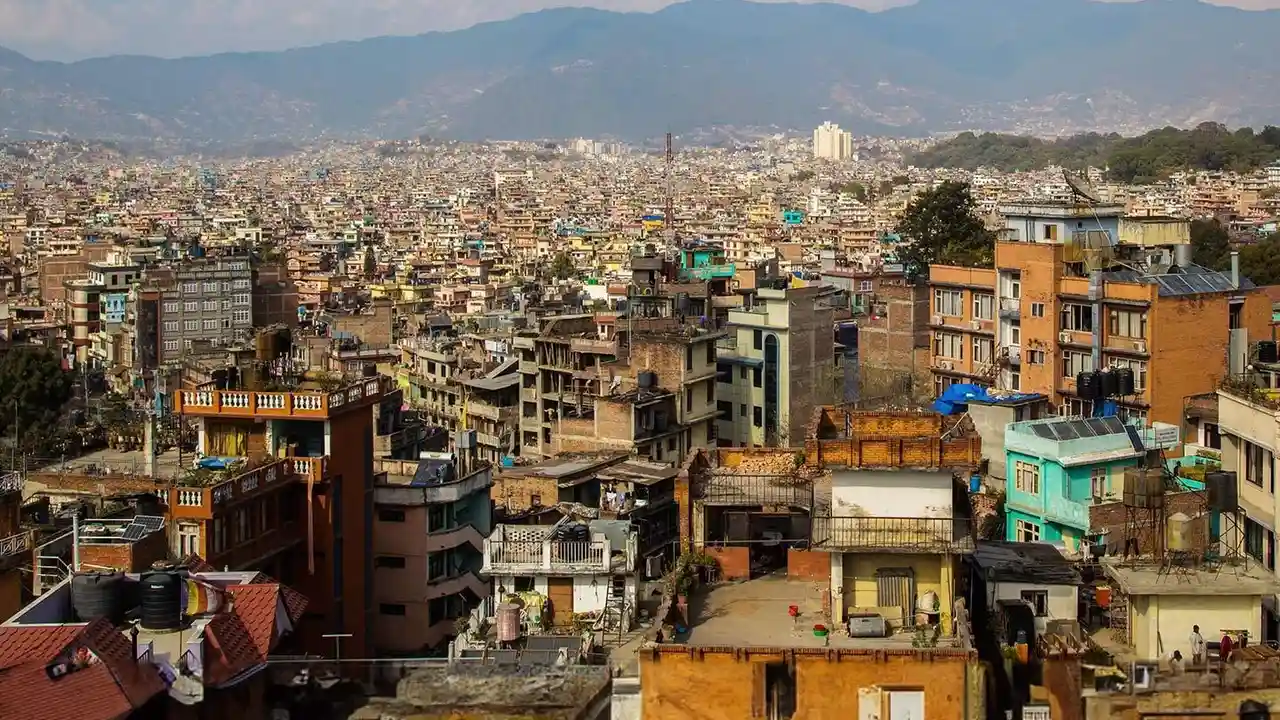







The Current Pune Real Estate Scene
Pune's property market is in a healthy phase in 2026. It's driven by real demand from the thousands of professionals working in its IT and manufacturing hubs, not just speculation. This has led to steady price appreciation, often between 5-10% annually
in key areas. Unlike some other metros, Pune offers a balance of affordability and growth, making it an attractive long-term prospect. Major infrastructure upgrades like the Metro and Ring Road are also boosting property values, turning once-outlying areas into prime residential locations. For young professionals, this means the landscape is constantly evolving, presenting both opportunities and challenges whether you choose to rent or buy.
The Case for Renting: Flexibility First
For many young professionals, especially those new to the city or uncertain about long-term plans, renting is the logical first step. The primary advantage is flexibility. It allows you to move easily for a new job or simply to a different neighbourhood without the hassle of selling a property. The upfront financial commitment is significantly lower, typically a security deposit of two to three months' rent, compared to the hefty down payment required for a purchase. Renting also frees you from the responsibilities of property taxes, major repairs, and society maintenance, which are handled by the landlord. This can provide significant peace of mind and financial predictability. In a city with booming IT corridors, renting lets you live in a premium locality close to work without being locked into a massive financial commitment.
A Look at Rental Costs
Rental prices in Pune vary widely by location. Areas close to major IT parks are, unsurprisingly, in high demand. In hubs like Hinjewadi, Kharadi, and Baner, a 2BHK apartment can command a monthly rent between ₹25,000 and ₹35,000. More budget-friendly options can be found in rapidly developing areas like Wagholi, where a 2BHK might rent for around ₹22,900 per month. According to some estimates, the average rent for a 2BHK in Pune was around ₹32,900 per month in early 2026. These figures give you a baseline, but costs depend heavily on the society's amenities, the age of the building, and how well-furnished the flat is.
The Argument for Buying: An Asset for the Future
Buying a home is less about short-term convenience and more about long-term wealth creation. Every EMI you pay builds equity in an asset that is likely to appreciate in value. Historically, Pune's real estate has seen appreciation of 6-8% annually. Owning a home provides a sense of stability and the freedom to customize your living space to your heart's content. Furthermore, the Indian government provides significant tax benefits on both the principal and interest components of a home loan, which can lead to substantial savings every year. In a market like Pune, where property values are on a steady upward trend, buying a home is often seen as a sound investment for those who are financially ready and plan to stay in the city for the long haul.
The Financial Reality of Buying
The biggest hurdle to buying is the high upfront cost. A down payment is typically 20-25% of the property's value. For a 2BHK flat in a desirable IT corridor like Hinjewadi or Kharadi, which could cost between ₹80 lakh and ₹1.15 crore, the down payment alone can be ₹16 to ₹23 lakh. Then comes the EMI. As of September 2026, home loan interest rates start from around 8.40% per annum. On an ₹80 lakh loan for 20 years, your EMI would be substantial. Beyond the EMI, you must also budget for stamp duty, registration fees, GST, interior costs, and annual maintenance charges, which can add up to a significant amount.
So, What's the Right Move for You?
There is no single right answer. The best choice depends entirely on your personal circumstances. Ask yourself these questions: 1. How long will you be in Pune? If you see yourself here for at least the next 5-7 years, buying could make financial sense. If you're unsure, renting offers the flexibility you need. 2. How stable is your career? A steady income is crucial for securing a home loan and managing EMIs. If you anticipate job changes that might require relocation, renting is a safer bet. 3. Are you financially prepared? Have you saved enough for a down payment and other associated costs, without completely draining your emergency fund? Can your monthly budget comfortably accommodate an EMI without sacrificing all other financial goals? 4. What are your lifestyle priorities? Do you value the freedom to move and minimal responsibilities (renting), or do you crave the stability and creative control of owning your own space (buying)?