




1. The Ancestry Trail
A journey into your own past is perhaps the most personal trip you can take. Ancestry tourism, also called heritage travel, is a fast-growing trend where people visit destinations connected to their family's origins. Fueled by accessible DNA testing and
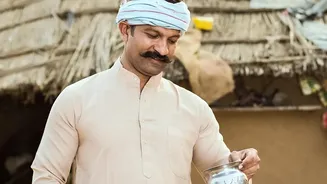
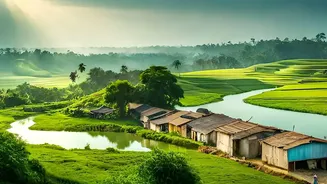
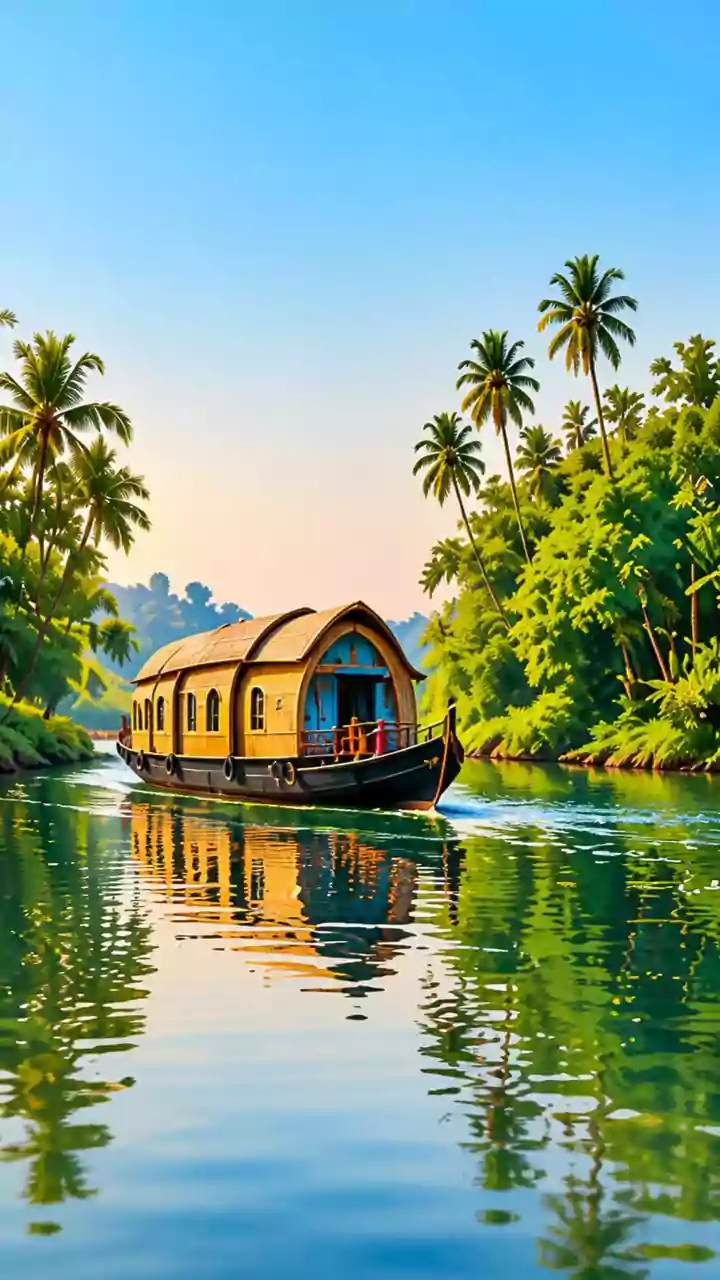
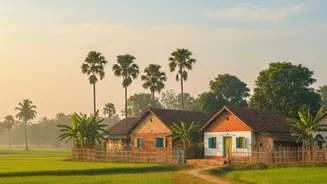
digitised historical records, travellers are now designing entire itineraries around their roots. This isn't about a quick stop at a landmark; it’s about walking the streets where your great-grandparents lived, finding a family name in a local church, or simply standing in a landscape that feels like a part of your own story. The trip becomes a deeply emotional experience that connects you to your own identity, with searches for 'genealogy tours' and 'DNA travel' seeing a massive spike in interest. For the millions in the Indian diaspora, this could mean a journey back to a village in Punjab, a coastal town in Kerala, or a city in Gujarat to reconnect with their heritage.
2. Skill-Based Immersions
Instead of returning home with just souvenirs, imagine coming back with a new skill. 'Skillcations' are holidays built around learning something new, blending personal growth with cultural immersion. These trips are designed for active participation, not passive observation. Think of a week-long culinary course in the heart of Chettinad, learning the art of hand-rolled pasta in an Italian villa, taking a pottery workshop in the mountains of Peru, or becoming a certified scuba diver in the Andaman Islands. These getaways are purposeful; they offer a sense of accomplishment alongside relaxation. The appeal lies in connecting with local experts and traditions, transforming your holiday into a lasting memory and a newfound passion you can take home. This trend is perfect for solo travellers seeking a shared focus or anyone wanting to go deeper than a typical tour allows.
3. Eco-Conscious Volunteering
For those who want their travels to have a positive impact, 'voluntourism' is a compelling option that combines seeing the world with giving back. The focus has shifted toward more ethical, sustainable, and community-focused projects. Travellers are increasingly seeking trips where they can make a tangible difference, whether it's participating in wildlife conservation efforts in Sri Lanka, aiding in reforestation in Ecuador, or working on community empowerment projects in rural India. This isn't just for gap-year students; a growing number of older travellers and families are embracing these immersive experiences. The goal is to connect deeply with a place and its people, leaving it better than you found it. Well-organised programmes ensure that the work is meaningful and supports local communities directly.
4. Hyper-Local Culinary Journeys
Food has always been a central part of travel, but this trend goes far beyond just eating at famous restaurants. Hyper-local culinary tourism is about experiencing food from its absolute source. This means visiting and staying at farms, foraging for ingredients with a local guide, or learning to cook dishes in a family home. The menu is dictated by what is fresh and in season, often sourced from within walking distance. This approach offers a powerful connection to the land and its traditions, telling a story about the destination through its flavours. Travellers are increasingly seeking this authenticity, with experiences like learning about local food production or understanding the origins of what they eat adding deeper value to their trip. It's a move away from generic tourist menus and towards a taste of a place that is unique and unforgettable.
5. Secluded Digital Detoxes
In our hyper-connected world, the ultimate luxury is often the ability to truly switch off. Digital detox retreats are gaining popularity as travellers intentionally seek out tech-free environments to rest and recharge. These getaways range from remote cabins to luxury resorts where Wi-Fi is unavailable and phones are locked away upon arrival. The goal is to replace screen time with mindfulness, nature, and genuine human connection. With rising screen fatigue and burnout, more people are looking for a 'vacation from society' where they can escape the constant pings and notifications. These retreats are a direct response to a desire for mental clarity and deeper relaxation that can be hard to achieve at home, with activities often including yoga, meditation, nature walks, and simply enjoying the quiet.
6. Private Guided Expeditions
For the adventurous at heart, a personalised expedition offers a way to explore some of the world's most remote places without compromising on comfort or safety. Unlike standard tours, private expeditions are tailored to your group's specific interests and fitness levels. Whether it’s a wildlife safari in a private conservancy in Africa, a guided trek in the Himalayas, or exploring the Galápagos on a private yacht, every detail is handled. This type of travel is about access and flexibility—getting to places few can reach, at your own pace. You can modify hiking distances, choose your anchorages, and spend more time on the activities you love, all with the expertise of a dedicated guide ensuring everything runs flawlessly. It's the ultimate in bespoke adventure travel.