

Witness a Unique Spiritual Gathering
The monsoon season is culturally significant in Assam. In Guwahati, the Kamakhya Temple hosts the Ambubachi Mela, a major annual festival celebrating fertility, which draws devotees and tantrics from all over India. This event, typically held in June,
offers a profound cultural and spiritual experience that is unique to the monsoon period. The temple remains closed for three days, symbolising the goddess's annual menstruation, before reopening to large crowds and vibrant celebrations. It’s a powerful display of faith, set against the mystical backdrop of the rain-washed Nilachal Hills.
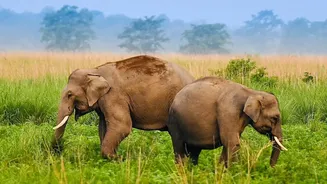
Explore Wildlife Sanctuaries in a New Light
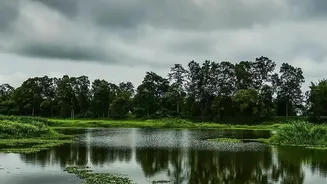
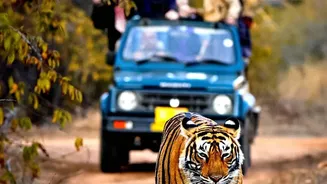
While Kaziranga National Park largely closes during the peak monsoon months due to flooding from the Brahmaputra River, other wildlife sanctuaries offer a different kind of magic. Parks like Pobitora Wildlife Sanctuary, known for its dense population of one-horned rhinoceroses, and Manas National Park (a UNESCO World Heritage Site) become incredibly lush and vibrant. The wetlands fill up, attracting a plethora of bird species, making it a paradise for birdwatchers. Dibru-Saikhowa National Park, which remains open year-round, is another excellent option, offering boat safaris through its unique riverine ecosystem.
Savour Seasonal Assamese Delicacies
The monsoon brings a special bounty to Assamese kitchens. This is the season for an amazing variety of leafy greens (xaak), like the popular dhekia xaak (fiddlehead ferns). It's also a time for comforting, soupy curries and tangy flavours. A classic monsoon meal might include Masor Tenga, a sour fish curry, often made with tomatoes or elephant apple (ou tenga), and Khar, a unique dish made with an alkaline ingredient. Warm, hearty dishes like smoked mashed eggplant or potato (pitika) and peppery stews provide the perfect comfort on a rainy day.
Relax in the Misty Hills of Haflong
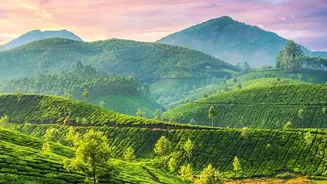
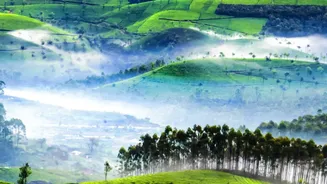
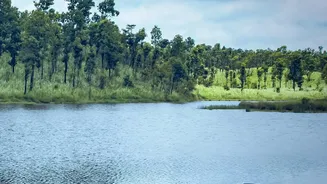
For a serene escape, head to Haflong, Assam's only hill station. During the monsoon, the hills are draped in mist, creating a tranquil and picturesque atmosphere. You can enjoy a quiet stroll around the beautiful Haflong Lake or simply relax with a cup of locally grown tea while watching the clouds roll by. The rain enhances the natural beauty of the region, making it an ideal spot for those looking to unwind and reconnect with nature away from the bustling crowds. The journey itself, through winding, green-drenched roads, is part of the charm.
Experience the Majesty of the Brahmaputra
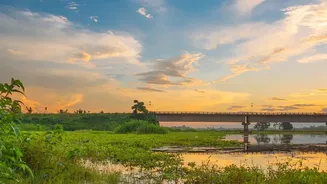
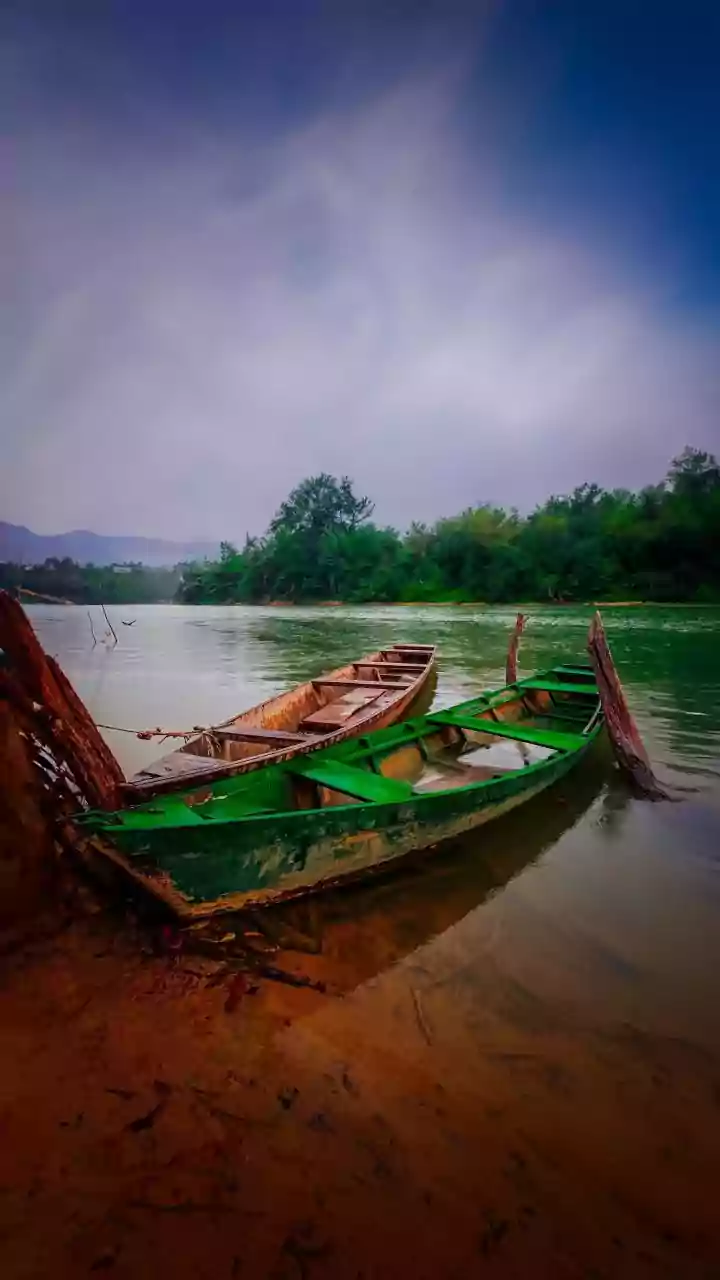
The mighty Brahmaputra River swells during the monsoon, taking on a powerful and majestic form. A river cruise during this time offers a breathtaking perspective of the rain-fed landscape. You can also visit Majuli, the world's largest river island, which becomes a lush, floating paradise. While access can sometimes be challenging, the experience of being on the island, visiting its ancient Vaishnavite monasteries (Satras), and witnessing the local way of life amidst the rising waters is truly unforgettable.
Chase Thundering Waterfalls
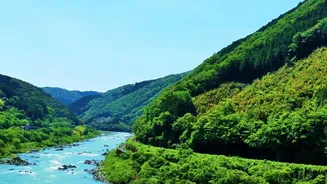
The monsoon is the best time to witness Assam's waterfalls in their full glory. The increased rainfall feeds the cascades, turning them into powerful, roaring spectacles. While many are tucked away, a drive through the state's hilly regions will reveal numerous seasonal falls. Nearby Meghalaya, easily accessible from Assam, is famous for some of the country's most dramatic waterfalls like Nohkalikai and the Seven Sisters Falls, which are at their absolute peak during this time.