
Why Monsoon Demands Extra Care
The shift from scorching summer to damp monsoon weather creates a perfect storm for pet-related health issues. Constant humidity means a dog's coat can remain damp for hours after a walk, creating an ideal environment for fungal and bacterial skin infections.
Stagnant water becomes a breeding ground for dangerous bacteria like Leptospira, which causes leptospirosis, a serious disease that can be fatal in dogs. Furthermore, tick and flea populations explode in the warm, moist conditions, increasing the risk of tick fever and other parasite-borne illnesses. Even indoor cats can be affected by the high humidity, which can impact their litter boxes and comfort. This combination of environmental factors is why veterinarians see a sharp spike in cases related to skin, paws, and stomach issues every year between June and September.
The New Grooming Routine: Dryness is Everything
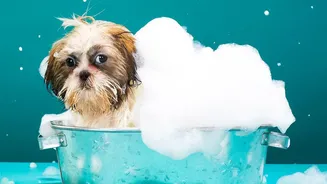
The number one rule for monsoon pet care is keeping your pet dry. A damp coat is the leading cause of skin infections like yeast dermatitis. Proactive owners now follow a strict post-walk drying routine, using absorbent microfibre towels to thoroughly dry their pet's fur, paying special attention to the underbelly, armpits, and skin folds. For breeds with thick or double coats, some even use a blow dryer on a low, cool setting. Interestingly, vets advise bathing pets less frequently during the monsoon, as over-bathing can strip the skin of its natural protective oils, making it more vulnerable. When baths are necessary, many opt for a vet-recommended antifungal or antibacterial shampoo. Daily brushing has also become a key practice to remove debris, prevent matting, and allow air to circulate through the coat.
Protecting Paws from Puddles
A pet's paws are on the front line, coming into direct contact with muddy, contaminated water. This makes a dedicated paw-cleaning ritual non-negotiable for many owners. After every single walk, they are cleaning their pet's paws with warm water and a soft cloth, sometimes with a drop of pet-safe antiseptic. The most crucial step is drying thoroughly, especially between the toes, as trapped moisture is a primary cause of painful yeast and fungal infections. To protect paw pads from cracking due to constant wetness and drying, some owners apply a thin layer of paw balm or coconut oil. For shorter-haired pets, trimming the fur around the paws helps reduce how much mud and moisture gets trapped in the first place.
Soothing Storm Anxiety
The loud clap of thunder and flashes of lightning can be terrifying for many dogs and cats. Instead of dismissing this fear, owners are actively creating calming environments to help their pets cope. A popular strategy is to prepare a 'safe den'—a crate, a closet, or a quiet corner of a room furnished with a familiar blanket and toys where the pet can retreat. Closing curtains to block lightning flashes and using white noise or soft music to mask the sound of thunder can also significantly reduce stress. The key is for the owner to remain calm and provide quiet reassurance. This presence helps the pet feel secure rather than amplifying their panic.
Indoor Fun and Mental Stimulation
Fewer and shorter walks due to heavy rain can lead to bored and restless pets. To combat this, owners are turning to indoor enrichment to provide much-needed mental exercise. Fifteen minutes of focused mental stimulation can be as tiring as a 30-minute walk. Popular activities include using puzzle feeders and snuffle mats, which encourage a pet's natural instinct to forage for their food. Simple games of hide-and-seek with treats or short, positive training sessions to practice new tricks are also effective ways to burn mental energy and strengthen the bond between pet and parent. These activities prevent boredom-related behaviours and keep pets content on days when they are stuck inside.
Vigilant Health and Diet Watch
Beyond grooming, proactive owners are taking extra health precautions. This includes being strict with vet-prescribed tick and flea prevention, as parasite risk is at its peak. Many ensure their dog's annual vaccinations, especially the booster for leptospirosis, are up-to-date before the rains begin. There's also a heightened focus on diet and hydration. Providing fresh, filtered, or even boiled drinking water is crucial, as tap water can sometimes be contaminated during this season. Owners are also careful to store dry food in airtight containers to prevent mould growth in the humid air and are generally avoiding giving raw food due to a higher risk of bacterial contamination.