



The Science of Warmth and Wellness
The foundation of India's winter culinary wisdom lies in the concept of eating foods that naturally generate heat and boost immunity. According to Ayurveda, the winter season is a time when the body's digestive fire (Agni) is strongest, making it capable
of processing richer, more nourishing foods. Ingredients like desi ghee, jaggery (gur), ginger, sesame seeds, and nuts become staples. These are not just empty calories; they provide healthy fats, complex carbohydrates, and essential nutrients that fuel the body, help maintain its core temperature, and fortify it against common winter ailments like colds and flu. This approach turns eating into a proactive form of self-care, a delicious ritual designed to keep you warm and well from the inside out.
Sarson da Saag: A Plateful of Winter Sun
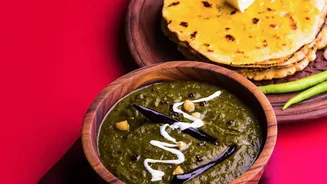
No dish screams 'winter in North India' quite like Sarson da Saag paired with Makki di Roti. This iconic Punjabi dish, made from mustard greens, is a perfect example of seasonal eating. Mustard leaves are harvested in winter and are packed with immunity-boosting Vitamin C, iron, and antioxidants. The slow-cooking process, often with other greens like spinach and bathua (chenopodium), creates a deeply flavourful and nutrient-dense meal. Its history is ancient, with mentions of mustard greens found in texts dating back centuries, highlighting its role as a hearty, sustaining meal for farming communities through the cold months. The dollop of white butter or ghee on top isn't just for taste; it adds necessary good fats, making this a perfectly balanced winter plate.
Gond ke Laddu: The Energy Powerhouses
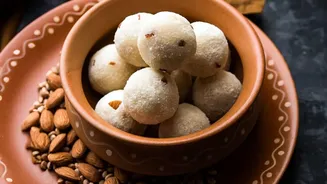
As winter brings a natural sluggishness, Indian tradition offers a powerful antidote: energy-dense sweets like Gond ke Laddu and Panjiri. The star ingredient, 'gond' or edible gum, is a resin known in Ayurveda for its warming properties. When fried in ghee, it puffs up into a delightful crunch. These laddus are made by combining this puffed gond with whole wheat flour, ghee, nuts, and jaggery. The result is a treat that provides a slow, sustained release of energy, perfect for combating winter fatigue. Panjiri, a crumbly mixture with similar ingredients, serves the same purpose, often given to new mothers for recovery but enjoyed by all as a warming, strengthening snack.
Undhiyu: A Celebration of Winter’s Bounty
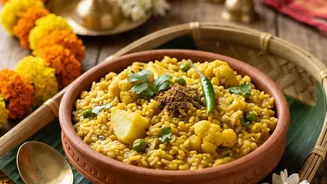
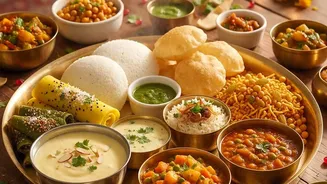
From Gujarat comes Undhiyu, a dish that is a true celebration of winter vegetables. Its name comes from the Gujarati word 'undhu', meaning 'upside down', which refers to the traditional method of cooking it underground in sealed earthen pots. This slow-cooked mixed vegetable curry brings together a bounty of seasonal produce that is at its peak during winter, such as surti papdi (hyacinth beans), purple yam, sweet potatoes, and raw bananas. The vegetables are cooked in a flavourful paste of fresh coconut, garlic, ginger, and green chillies. Undhiyu is more than a meal; it's a community dish, central to celebrations like the Uttarayan kite festival, embodying the spirit of a seasonal harvest.
Gajar ka Halwa: Sweet, Seasonal Comfort
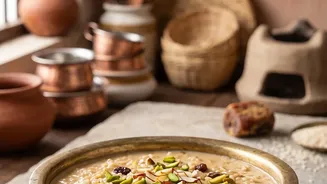
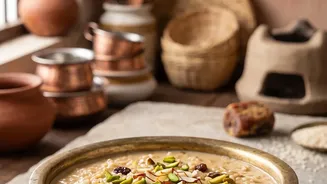
The arrival of winter markets signals the season for a universally beloved dessert: Gajar ka Halwa. This sweet pudding is intrinsically tied to winter because this is when special red carrots, which are sweeter and more tender, are available. The carrots are grated and slow-cooked in milk, ghee, and sugar, and often garnished with nuts like almonds and cashews. Every ingredient serves a purpose. The carrots provide Vitamin A, which helps bolster the immune system. The milk adds calcium and protein, while the ghee offers good fats that help soothe the body during the cold season. It’s a dish that feels like a warm hug, a perfect, comforting end to a winter meal that is steeped in both flavour and tradition.