





Understanding Methi in All Its Forms
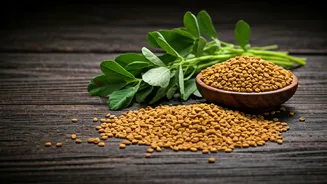
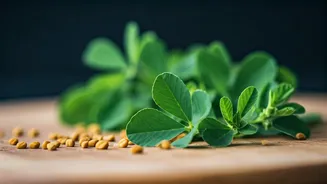
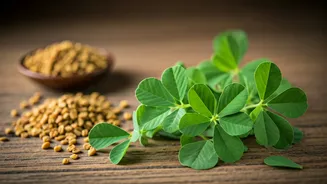
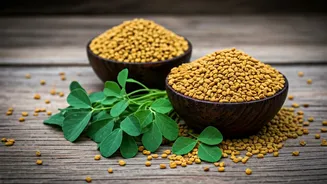
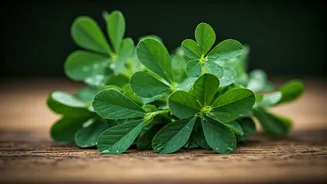
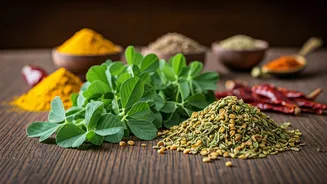
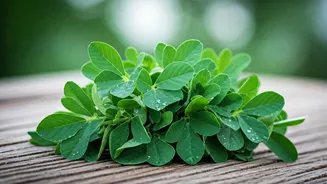
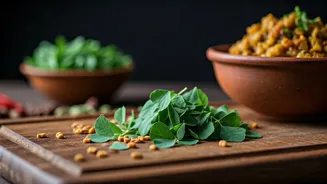
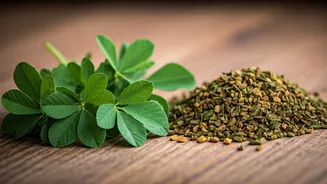
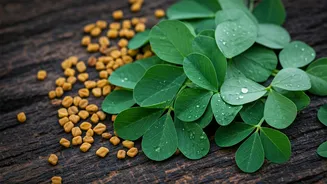
In the world of Indian cuisine, methi, or fenugreek, is a triple threat. First, there are the fresh leaves, a leafy green vegetable with a distinct, pleasantly bitter taste. Then there are the small, hard, amber-coloured seeds (methi dana), which are intensely
bitter when raw but transform into a nutty, almost maple-like flavour when cooked. Finally, there's kasuri methi—the dried leaves of the plant. Drying concentrates their flavour, giving them an earthy, savoury aroma that’s less bitter and more herbal. Each form plays a unique role; fresh leaves act as a vegetable, the seeds are a foundational spice for tempering (tadka), and dried leaves are a finishing herb, and they are generally not used interchangeably.
Beyond the Basic Methi Paratha
A well-made methi paratha is a breakfast classic, but there are ways to elevate it from good to great. The key is balance. To counteract methi's bitterness, kneading the dough with a little yogurt can help soften both the texture and the flavour. For an even more complex aroma, don't just rely on fresh leaves. Add a teaspoon of crushed kasuri methi to the flour mix. This layers the fresh, green bitterness with a deeper, more fragrant herbal note. Another pro-tip is to finely chop the leaves before adding them to the dough, which helps release their flavour more effectively. And don't be afraid to add other complementary spices like ajwain (carom seeds), grated garlic, and a pinch of garam masala to create a truly flavourful flatbread.
Giving Curries a New Dimension
In curries, methi is a master of balance. Its inherent bitterness is the perfect counterpoint to rich, creamy, and sweet gravies. Think of Methi Matar Malai, where the slight bitterness of fenugreek cuts through the richness of cream (malai) and the sweetness of peas (matar), creating a sophisticated and balanced dish. For a simple stir-fry like Aloo Methi, pairing it with potatoes provides a starchy, comforting base that mellows the leaves. But methi's magic isn't limited to fresh leaves. Kasuri methi is often the secret ingredient in restaurant-style butter chicken and paneer dishes, crushed and added at the end to provide a final flourish of aroma. Meanwhile, methi seeds are a powerhouse in tadka. When bloomed in hot oil, they release a nutty fragrance that forms the flavour base for countless curries.
The Simple Trick to Transformative Dal
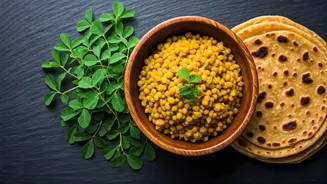
A bowl of everyday dal can become something truly special with the addition of methi. Stirring a handful of fresh, chopped fenugreek leaves into cooking lentils infuses the entire dish with a fresh, earthy flavour that's completely different from spinach or other greens. This simple addition transforms a basic toor dal or moong dal into a comforting and nutritious Methi Dal. For an even bolder transformation, use the tadka. A tempering of ghee, cumin seeds, garlic, and a pinch of methi seeds poured over cooked dal creates an aromatic explosion. The key is to fry the methi seeds until they turn a reddish-brown but not black; burning them will make the dal excessively bitter. Alternatively, a spoonful of crushed kasuri methi added to the tadka in the final seconds releases its fragrant oils, lending the dal a smoky, herbal finish.
Taming the Bitterness
The primary reason some cooks shy away from methi is its bitterness. Thankfully, this is easily managed. A time-tested trick is to sprinkle salt over the chopped fresh leaves and let them sit for 15-20 minutes. This draws out the bitter juices, which you can then squeeze out and discard before rinsing the leaves. Blanching is another effective method: simply drop the leaves into boiling water with a bit of salt and lemon juice for a minute, then immediately transfer them to cold water. When selecting fresh methi, choose smaller bunches with tender leaves, as mature stalks tend to be more bitter. Finally, remember that other ingredients can balance the flavour; pairing methi with fat (ghee, cream), sweetness (jaggery, onion), or acid (tomato, lemon) helps to round out its sharp edges beautifully.