



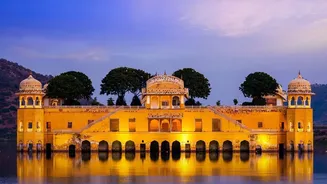
A Green New Look for the Desert State
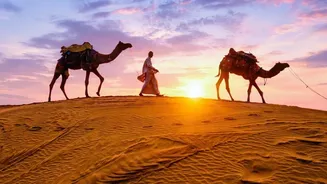
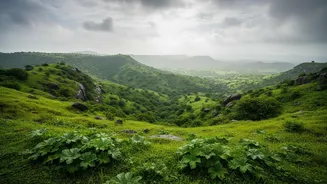
Rajasthan, a state typically defined by its magnificent, dry landscapes, is experiencing a remarkable monsoon season. After months of intense summer heat, plentiful rains have awakened the region, trading its brown and gold palette for a vibrant, velvety
green. This year, travel trends show a distinct shift; tourists are not just visiting despite the rain, they are coming for it. This phenomenon, dubbed 'green tourism' by some experts, sees travellers seeking out immersive nature experiences, drawn by overflowing lakes and lush vistas that are reshaping the state's travel identity.
From Arid Plains to Pop-Up Oases
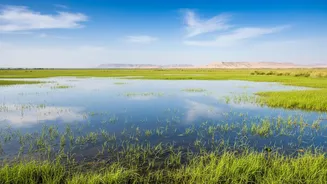
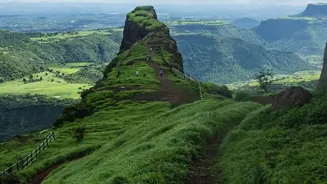
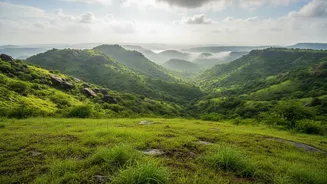
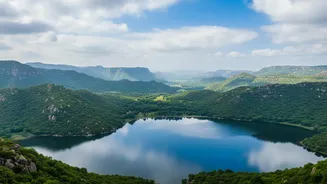
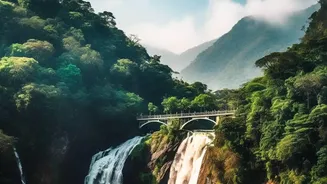
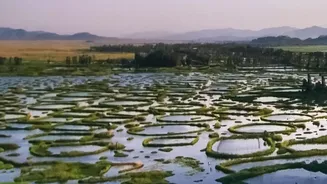
The most visible effect of the heavy rainfall is the emergence of temporary wetlands and replenished waterbodies. In a state where water is precious, these new, shimmering landscapes are becoming attractions in their own right. While established destinations like Udaipur, the 'City of Lakes', are seeing their famous waterbodies like Lake Pichola and Fateh Sagar swell to breathtaking levels, other, lesser-known areas are also gaining attention. The Aravalli Hills are now carpeted in green, with seasonal waterfalls making rare appearances. This has created a new map for monsoon travel, pushing visitors beyond the traditional palace-and-fort circuit to explore these fleeting natural wonders.
The New Monsoon Tourist Trail
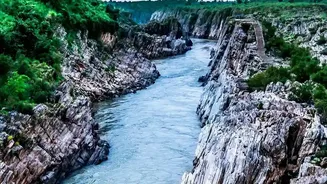
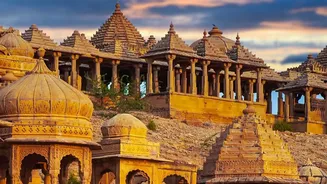
The surge in monsoon travel is boosting local hospitality, particularly in emerging destinations. Improved road and air connectivity has made it easier for city dwellers to plan quick weekend escapes. Beyond the evergreen popularity of Mount Abu, Rajasthan's only hill station, areas like Kumbhalgarh, Ranakpur, and Bundi are drawing crowds with their unique blend of history and rain-fed nature. Even wildlife sanctuaries are getting a second look. While core zones of parks like Ranthambore and Sariska are closed, buffer-zone safaris are gaining popularity, offering rewarding glimpses of wildlife against a lush green backdrop. Tour guides have noted a rise in nature lovers who are specifically choosing these destinations for their renewed monsoon beauty.
An Ecological and Economic Boost
These seasonal wetlands are more than just a pretty sight. They are ecologically vital, attracting a variety of resident and migratory birds, which in turn draws birdwatchers and photographers. The rains rejuvenate the entire ecosystem, a process that is becoming more crucial as climate patterns shift. Recent years have seen a trend of increasingly intense monsoon seasons in the state. This influx of water and tourists provides a welcome economic boost to rural areas, with a growing demand for resorts, homestays, and experience-led stays that allow travellers to connect with nature. Local communities are also playing a role, such as in Menar, recently designated a Ramsar site, where residents actively protect the wetlands.
A Fleeting and Precious Experience
The magic of Rajasthan's monsoon is its temporary nature. These green landscapes and overflowing waterbodies are a seasonal spectacle. The knowledge that the desert will eventually reclaim its dominance lends an air of urgency and appreciation to the experience. For travellers, it’s a chance to see a familiar destination in an entirely new light, witnessing the resilience of nature and the surprising transformations it can bring. This shift is redefining Rajasthan's tourism calendar, proving that its appeal is no longer limited to the cooler winter months. The monsoon is no longer an off-season, but a peak season in its own right.