







Why the Monsoon Magnifies Food Risks
While a blessing after the harsh summer, the monsoon season significantly increases the risk of foodborne illnesses. The combination of high humidity and ambient temperatures creates an ideal environment for harmful microorganisms like E. coli, Salmonella,
and various parasites to thrive on the surface of fresh produce. Heavy rains can lead to waterlogging and contaminate water supplies with sewage, which may be used to irrigate or wash vegetables before they reach the market. This means that seemingly fresh produce can carry an invisible load of pathogens, increasing the chances of contracting illnesses like gastroenteritis, typhoid, and cholera. Leafy greens such as spinach and cabbage, along with vegetables like cauliflower, are particularly risky due to their many layers and crevices where dirt and microbes can hide.
The Critical Role of Potable Water
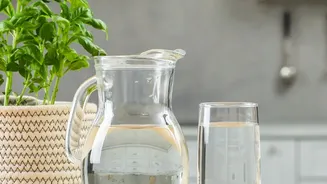
The first line of defence is not just washing your produce, but washing it with water that is safe to drink, also known as potable water. During the monsoon, tap water quality can be unreliable due to potential contamination of supply lines. To ensure your water is safe, it's best to boil it for at least one minute and let it cool, or use a reliable water purifier with RO or UV technology. Using this clean water to wash your produce is non-negotiable. Washing vegetables with contaminated water simply transfers germs from the water to your food, defeating the purpose of cleaning. For every step of the cleaning process, from the initial rinse to the final soak, using potable water is the most crucial step you can take to minimise risk.
A Guide to Washing Produce Effectively
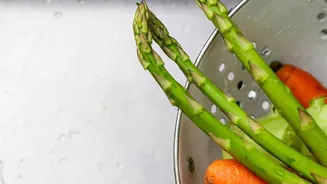
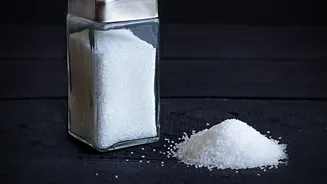
A quick rinse is often not enough during this high-risk season. For a thorough clean, follow a multi-step process. Start with an initial rinse under running potable water to remove loose soil and grit. For produce with thick skins like gourds or cucumbers, use a soft-bristled brush to scrub the surface. For leafy greens, separate the leaves and soak them in a bowl of clean water for a few minutes to loosen hidden dirt. You can then proceed to a disinfectant soak. A simple and effective home solution is to immerse the vegetables for about 10-15 minutes in a solution of either salt water, one part vinegar to three parts water, or a teaspoon of baking soda per cup of water. These solutions can help remove more bacteria and pesticide residues. Finish with a final, thorough rinse under clean, running water to wash away any remaining residue. Finally, pat the produce dry with a clean cloth or paper towel, as this can help remove even more bacteria.
Don't Let Clean Utensils Contaminate Your Food
Your efforts to clean produce can be wasted if you use dirty utensils or work on unclean surfaces. This is called cross-contamination. Ensure your cutting boards, knives, peelers, and countertops are washed with hot, soapy water before and after they come into contact with raw produce. It is a good practice to use separate cutting boards for produce and for raw meat or poultry to prevent the spread of harmful bacteria. Pay close attention to cleaning the handles of utensils, as they are frequently touched. Even the cloths you use to wipe your counters and hands need to be clean; wash them frequently in a hot cycle. By maintaining a clean kitchen environment, you close the loop on food safety and ensure the vegetables you so carefully washed remain safe to eat.
Smart Habits for a Safer Monsoon Diet
Beyond just washing, a few smart habits can further protect you. Whenever possible, choose cooking methods like steaming or blanching for vegetables instead of eating them completely raw, especially for high-risk items like leafy greens. If you do eat raw food, opt for fruits with thick peels like bananas, pomegranates, and oranges, which you peel yourself just before eating. Avoid buying pre-cut fruits and vegetables, as the exposed surfaces give bacteria more opportunity to grow. Be extra cautious about street food, particularly salads and chutneys, as the hygiene standards and water quality are often uncertain. By integrating these practices, you can enjoy the bounty of the season while keeping your digestive system safe and healthy.