







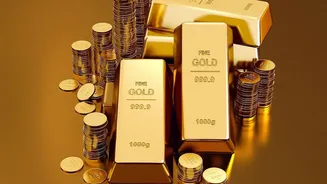
Why Gold is Getting Pricier
The price of 24-carat gold has climbed significantly, crossing the ₹1,60,000 per 10 grams mark in August 2026. This isn't happening in a vacuum. A combination of global and domestic factors is at play. Globally, a weaker U.S. dollar makes gold, which
is priced in dollars, cheaper for holders of other currencies, thus increasing demand. Geopolitical tensions, like those in the Middle East, and concerns about rising oil prices and inflation also push investors towards gold as a 'safe-haven' asset. Adding to this, central banks, particularly in China, have been on a buying spree, further tightening supply and supporting prices. In India, while a strong rupee has slightly cushioned the blow of international prices, factors like import duties keep domestic rates high.
The Pinch on Young Buyers' Plans
For young Indians, this price rally has tangible consequences. The most immediate impact is on wedding budgets, where gold jewellery is a cornerstone. Data shows that while the value of jewellery purchases has increased, the actual volume—the amount of gold being bought—has declined. Consumers are now spending more money for fewer grams. Many are also resorting to exchanging old jewellery to offset the cost of new purchases, a trend that retailers have noted is on the rise. For first-time investors, the high entry point is a significant barrier. The dream of buying a first gold coin or bar now requires a much larger financial commitment, forcing many to delay their plans or seek alternatives.
A Modern Dilemma: Physical vs. Digital Gold
The high cost of physical gold is accelerating a shift in how young, tech-savvy Indians approach gold investment. Instead of traditional jewellery or coins, which come with making charges of up to 30%, many are now looking at paper and digital forms of gold. Gold Exchange-Traded Funds (ETFs) are a popular choice. These are essentially mutual funds that trade on the stock exchange, with each unit tracking the price of gold. They offer high liquidity and lower costs, as you don't pay for making or storage. Another option that was popular, Sovereign Gold Bonds (SGBs), offered a 2.5% annual interest on top of gold's price appreciation and tax-free gains on maturity. However, the government has paused new issuances of SGBs, making Gold ETFs the most accessible paper-gold option for new investors. Digital gold, available on platforms like Google Pay and Paytm, allows for buying gold in tiny fractions, but is generally better for small-scale gifting than serious investing.
Smart Strategies in a High-Price Market
So, should you buy gold now or wait for a price drop? Analysts suggest that the bullish momentum for gold may continue, driven by global uncertainty and strong demand from central banks. Waiting for a significant price correction might be a long game. Instead, a more strategic approach is needed. For those who need to buy physical gold for an upcoming wedding, factoring in higher costs and leveraging old gold exchange schemes is crucial. For investors, shifting focus from lump-sum purchases to systematic investments is a wise move. A Systematic Investment Plan (SIP) in a Gold ETF allows you to buy gold units regularly, averaging out your purchase cost over time. This approach mitigates the risk of buying at a single peak price and helps build a position in gold without a large initial outlay. It turns price volatility from a threat into an opportunity.