







The Power of the Micro-Break
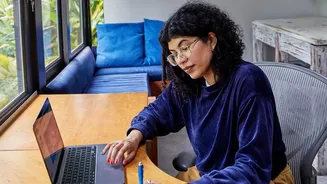
The modern workplace, whether at home or in an office, often chains us to our desks for hours. The idea that pushing through without pause leads to greater productivity is a myth. In reality, our brains and bodies aren't designed for prolonged, static
focus. Research shows that brief, intentional breaks—often called micro-breaks—can dramatically improve our well-being and performance. These short pauses, lasting anywhere from 30 seconds to 10 minutes, help reduce mental fatigue, increase energy levels, and sharpen focus. Think of it not as avoiding work, but as a strategic tool to work better. By stepping away, even for a moment, you give your mind a chance to reset, which can lead to enhanced creativity and better problem-solving skills when you return to your task.
Introducing 'Movement Snacks'
A powerful form of micro-break is the 'movement snack'—a short, simple burst of physical activity you can do throughout the day. The concept is simple: instead of needing a full hour at the gym, you can sprinkle bite-sized bits of exercise into your existing routine. These small actions help counteract the negative health effects of a sedentary day, such as muscle stiffness, poor circulation, and back pain. Research suggests that even these brief periods of movement can improve cardiovascular health, boost your mood, and help your body manage energy more effectively. The goal isn't to get sweaty or exhausted; it's to wake up your muscles and break the cycle of sitting still.
Simple Stretches at Your Desk
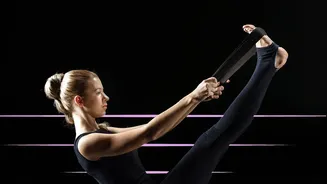
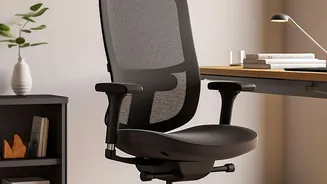
You don't need to leave your workspace to get the benefits. Simple, discreet stretches can provide immediate relief from stiffness and tension. Try these: Neck Rolls: Gently tilt your head from side to side, and then slowly roll it forward and back to release neck tension. Shoulder Shrugs: Inhale and lift your shoulders up toward your ears, hold for a few seconds, and then exhale as you drop them down. Repeat this a few times to relieve shoulder strain. Torso Twists: While seated, keep your feet flat on the floor and gently twist your upper body from side to side, using the back of your chair for a light stretch. Chest Opener: Interlace your fingers behind your back, straighten your arms, and gently pull your shoulders back to open up your chest. This counteracts the slouched posture many of us adopt at a screen.
Get Up and Move, Even for a Minute
Changing your posture and location, even briefly, can work wonders. Make it a habit to get up from your chair at least once an hour. You can use this time for a 'movement snack' that gets your blood flowing. Consider a brisk, five-minute walk around your office floor or even just to the water cooler and back. If you have a flight of stairs nearby, climbing them is an excellent way to elevate your heart rate quickly. Another effective exercise is the desk push-up: stand a few feet from your desk, place your hands on the edge, and perform a few push-ups at an incline. Even simple bodyweight squats or calf raises while you wait for a file to download can activate your muscles and boost your energy.
Integrate Movement into Your Tasks
The most sustainable way to move more is to build it into activities you already do. Instead of taking every phone call sitting down, make a habit of standing up and pacing around the room. If you're in a virtual meeting where you don't need to be on camera, stand up and do some gentle stretches. You can even set a recurring timer on your phone or computer for every 30 or 60 minutes as a reminder to simply stand up, stretch, or look away from your screen. The 20-20-20 rule is also excellent for combating digital eye strain: every 20 minutes, look at something 20 feet away for 20 seconds. These small adjustments require little effort but have a cumulative positive impact on your physical and mental state.