



An Antidote to Modern Life
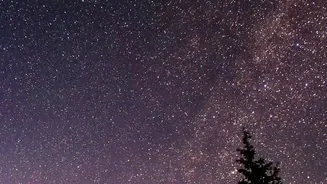
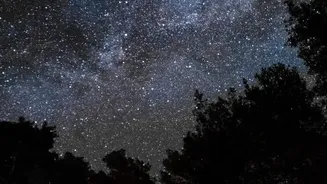
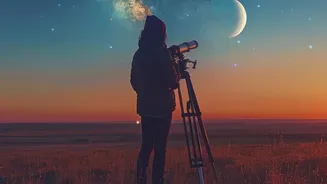
A dark-sky escape, often called astrotourism, involves travelling to a location with minimal light pollution to witness the night sky in its full glory. These destinations are often designated as 'Dark Sky Parks' or 'Reserves' by organisations that work
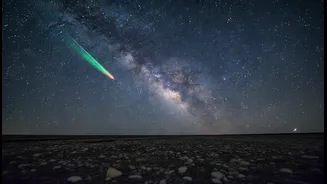
to protect natural darkness from the glare of city life. With an estimated 80 percent of people globally living under light-polluted skies, the chance to see the Milky Way or thousands of stars is no longer a given — it's a destination. This form of travel is not just for astronomers; it's for anyone feeling the fatigue of modern urban life, offering a powerful antidote to digital saturation and chronic screen time.
The Wellness Connection
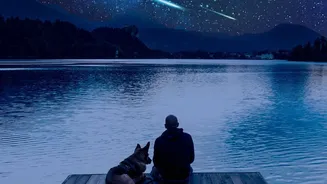
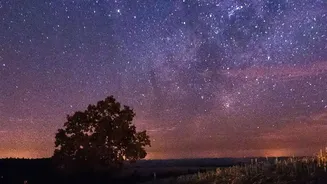
The appeal of dark skies goes far beyond pretty views. It's deeply rooted in well-being. Exposure to natural darkness helps reset our circadian rhythms, the body's internal clock that regulates sleep and hormones, which is often disrupted by artificial light. This can lead to deeper, more restorative sleep. Psychologically, the experience of gazing at the cosmos evokes a powerful sense of awe, which studies have linked to increased happiness and reduced stress. This practice, sometimes called 'star bathing', functions as a form of mindfulness, grounding you in the present moment and helping daily anxieties feel smaller in the face of cosmic vastness. It calms the nervous system, lowers stress hormones like cortisol, and provides a mental reset that many now consider a crucial component of wellness travel.
More Than Just Stargazing
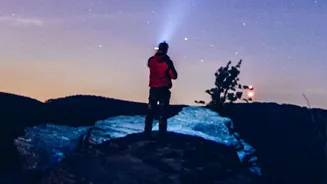
While astronomy is at the heart of the experience, a dark-sky trip offers a holistic reset. It's an invitation to slow down and reconnect with the natural world, especially the unique nocturnal environment that many of us rarely experience. These trips often take travellers to remote deserts, mountains, or forests, encouraging a digital detox and immersion in silence and stillness. Many operators now blend stargazing with other wellness activities like guided meditation, storytelling, yoga, and sound baths under the stars. You don't necessarily need a powerful telescope; many of the most profound experiences come from simply lying back and looking up with the naked eye, perhaps with a pair of binoculars to enhance the view.
Where to Find Your Wonder in India
India's diverse geography offers a spectacular array of dark-sky destinations. The ultimate spot is Hanle in Ladakh, which in 2022 became the country's first officially certified Dark Sky Reserve. Situated at a high altitude with clear, dry air, it offers arguably the best stargazing in Asia, where the Milky Way is breathtakingly clear. The nearby Spiti Valley in Himachal Pradesh is another high-altitude haven, with villages like Kibber and Langza providing surreal backdrops for the celestial show. For those seeking options closer to the plains, the Rann of Kutch in Gujarat transforms into a stargazer's paradise in the winter. In the south, the coffee plantations of Coorg, Karnataka, offer pockets of darkness perfect for a peaceful night of cosmic contemplation. Other emerging destinations include areas in Uttarakhand, Rajasthan, and Maharashtra, where local communities and operators are beginning to host stargazing camps and workshops.