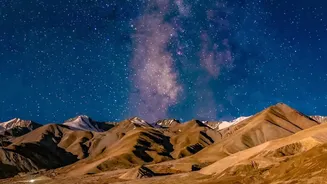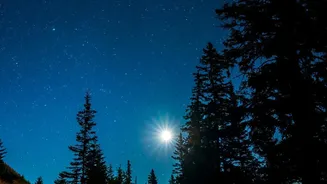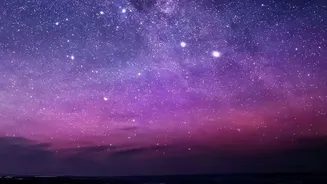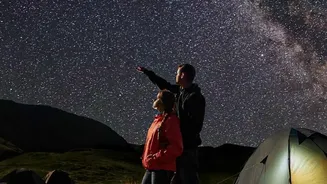



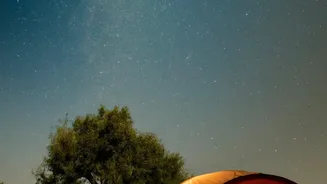
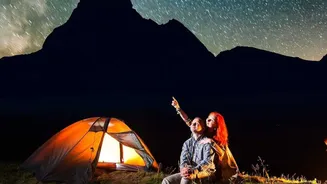
The Indian Himalayas offer some of the most spectacular night skies on Earth. At high altitudes, far from city lights, the Milky Way stretches across a silent, star-dusted canvas. Here’s the essential gear you'll need to make this breathtaking adventure
a reality.
Why the Indian Himalayas?
Regions like Ladakh and the Spiti Valley are considered world-class stargazing destinations for a few key reasons: high altitude, thin air, and extremely low light pollution. Places like Hanle in Ladakh, home to India's first official Dark Sky Reserve, offer near-perfect conditions where the sky is so dark the Milky Way is visible to the naked eye. The dry, cold desert climate means fewer clouds and incredibly clear nights, especially from late autumn through spring. This combination creates a natural planetarium, drawing astronomers and travelers seeking an unfiltered view of the cosmos.
The Layering System is Everything
Night temperatures in the high Himalayas can plummet below freezing, even in summer. Staying warm is not just about comfort; it's critical for safety and enjoyment. The key is a three-layer system. Start with a moisture-wicking base layer, preferably merino wool, to keep sweat off your skin. Avoid cotton, as it retains moisture and will make you colder. Your second layer should be an insulating mid-layer, like a fleece or a light down sweater. The final piece is a windproof and waterproof outer shell or a heavy-duty down jacket rated for sub-zero temperatures. This system traps air, providing insulation you can adjust as conditions change.
Optics for the Road
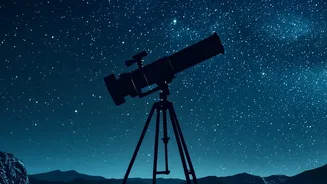
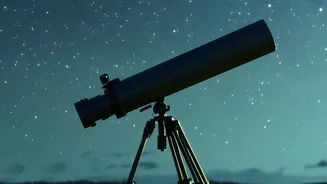
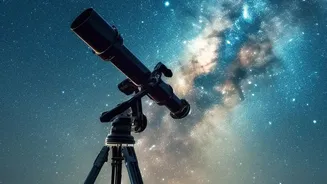
While you can see thousands of stars with just your eyes, a good pair of binoculars will elevate the experience, revealing the moons of Jupiter, star clusters, and the texture of the moon's surface. For travel, 10x50 binoculars are a popular choice, offering a great balance of magnification and light-gathering ability without the bulk of a telescope. If you're serious about deep-sky objects, consider a portable travel telescope, but be aware that many guided tours and local astro-stays provide access to powerful equipment. Unless you're a dedicated astrophotographer, your eyes and a pair of binoculars are often all you need.
Capturing the Cosmos
Astrophotography in the cold presents unique challenges. The first rule is to bring a sturdy tripod to keep your camera steady for long exposures. You’ll want a camera with manual settings and a wide_angle lens with a fast aperture (like f/2.8 or lower) to capture as much light as possible. A typical starting point for Milky Way shots is a 15–30 second exposure with an ISO of 3200 or higher. Cold drains batteries quickly, so keep spares inside your jacket close to your body heat. Even modern smartphones with night mode can capture surprisingly good images, so don't feel left out if you don't have a DSLR.
Essential Tech and Safety Gear
A headlamp is non_negotiable for navigating in the dark, but it must have a red_light mode. Red light preserves your night vision, which takes about 20–30 minutes to fully develop and can be instantly ruined by a blast of white light. Given the remote locations, a reliable power bank is crucial for charging your phone and other devices. Other essentials include a well_stocked first_aid kit, sunglasses for the intense daytime sun and snow glare, and high–SPF sunscreen, as UV rays are much stronger at altitude.
Health at High Altitude
Altitude sickness is a serious risk in these regions, where sleeping altitudes can exceed 10,000 feet. The golden rule is to acclimatize properly. After arriving in a high–altitude hub like Leh, plan for at least 48 hours of rest with only light activity before ascending further. Hydration is critical; aim to drink at least four liters of water a day and avoid alcohol, which can interfere with acclimatization. If you experience symptoms like a persistent headache, nausea, or dizziness, do not ascend higher. If they worsen, descending is the only cure. It's always wise to consult with a doctor before your trip about altitude sickness and any necessary preventive medication.