




The Carry-On Only Mindset
The secret to light travel begins before you even pull out your suitcase. It’s a shift in mindset from packing for “just in case” scenarios to packing only what you truly need. Most people overpack by imagining every possible situation and packing a separate
outfit for it. The smarter approach is to adopt a capsule method, where every item can work with at least two other items in your bag. This multiplies your outfit options without adding bulk. For a four-day trip, you don't need eight outfits; you need a few versatile pieces that can be mixed and matched. Think strategically about your itinerary. Are you attending formal dinners or mostly sightseeing? Pack for the activities you know will happen, not the ones that might. This mental shift is the first and most crucial step to freeing yourself from the burden of a heavy, checked-in suitcase.
Build a Four-Day Capsule Wardrobe
A capsule wardrobe is the core of carry-on success. For a four-day trip, this doesn’t have to be complicated. Stick to a simple colour palette, building your wardrobe around neutral colours that mix and match easily. A good formula includes about three to four tops, two bottoms, and one versatile layering piece. For example, pack two pairs of versatile trousers or jeans, three neutral t-shirts, one smarter top or shirt, and a cardigan or light jacket that can be dressed up or down. A single dress or jumpsuit can serve as an elegant option for an evening out, but can also be layered with a sweater for a casual daytime look. The key is that each piece should be able to be worn in multiple combinations, creating fresh looks without needing a whole new set of clothes for each day.
Mastering the Art of Packing
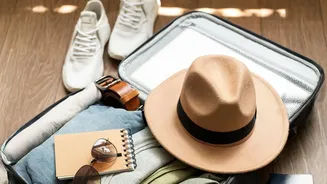
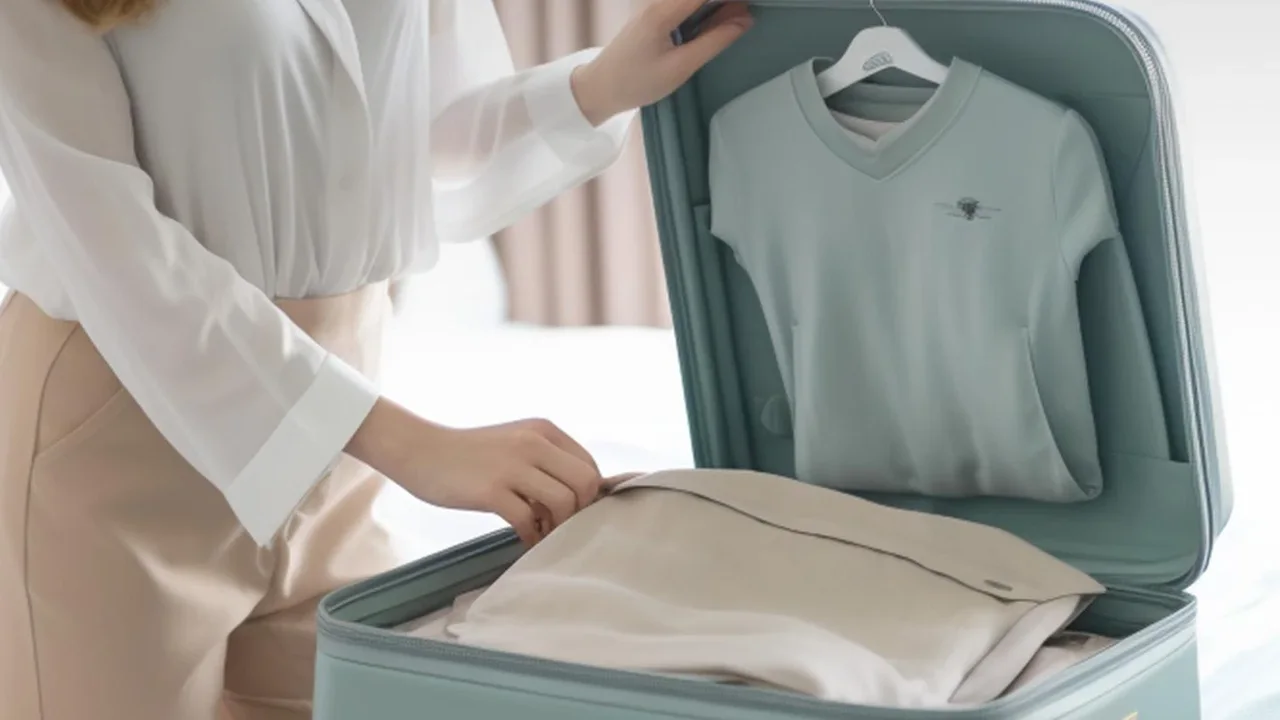
How you pack is as important as what you pack. The debate between rolling and folding clothes is a classic one, but the consensus among many travel experts is that rolling is superior for saving space and works best for casual items like t-shirts, shorts, and pants. Tightly rolled clothes can be packed more compactly, allowing you to see everything at a glance and preventing hard creases. For more structured or easily wrinkled items like blazers or formal shirts, careful folding is often better. To take your organisation to the next level, invest in packing cubes. These fabric containers allow you to compartmentalise your belongings—one for tops, one for bottoms, one for underwear—making it incredibly easy to find what you need without rummaging through your entire bag. They also compress clothing, helping you maximise every inch of your luggage space. Using cubes essentially turns packing into a neat game of Tetris.
The Smart Way to Pack Toiletries
Liquids are often the biggest carry-on challenge, but they don't have to be. The global rule is straightforward: liquids, gels, and creams must be in containers of 100ml (3.4 ounces) or less, and all containers must fit into a single, clear, quart-sized bag. Instead of buying tiny, disposable travel-sized bottles, consider investing in reusable silicone travel bottles. Better yet, switch to solid toiletries. Solid shampoo bars, conditioner bars, and toothpaste tablets can eliminate a significant portion of your liquids, freeing up space in your clear bag for essentials that don't have a solid alternative. For everything else, be ruthless. You likely don’t need your entire multi-step skincare routine for a four-day trip. Decant only what you need into smaller pots and containers.
Leverage Your Personal Item
Most airlines allow one carry-on suitcase and one smaller personal item that fits under the seat in front of you. This personal item is valuable real estate. Use it strategically. It's the perfect place for items you'll need to access during the flight, like your headphones, a book, a portable charger, and a water bottle. It’s also where your liquids bag should go for easy access at security checkpoints. Furthermore, pack your bulkiest items in your personal bag or, even better, wear them. Your heaviest pair of shoes and your jacket should be part of your travel day outfit, not packed in your suitcase. This simple trick can free up a surprising amount of space and weight in your main carry-on.