




What Is the Second-Move Test?
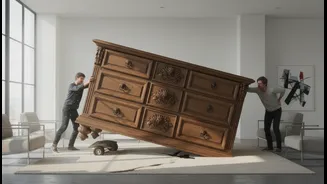
The Second-Move Test is a thought experiment, a simple question you ask yourself before buying any significant item for your home: If I were to move again in a few years, would I pay to take this with me? It forces you to look past the pristine, curated
setting of the showroom and imagine the piece in the context of your actual life. A move is a practical and financial filter. Packing, hiring movers, and finding a new spot for every single item makes you brutally honest about what you truly value. If you can’t see yourself wanting to keep a piece through the hassle of a second move, it’s a red flag. It suggests the item’s appeal is tied to its current, perfect presentation, not to its enduring function or your genuine affection for it.
Designed for a Showroom, Not a Life
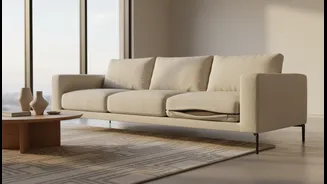
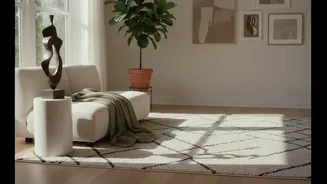
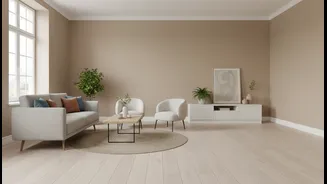
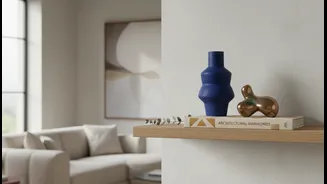
Pieces that fail this test are often what can be called ‘showroom furniture.’ They are built for immediate visual impact. Think of the ultra-trendy accent chair in a bizarre shape that only works in one specific corner, or the delicate side table that looks great but can’t handle a spilled glass of water. These items are often associated with “fast furniture,” mass-produced pieces made from lower-quality materials like particleboard and veneers that are designed to be affordable and stylish for a season, not for a decade. Showrooms are masters of illusion, using strategic lighting and decor to create an irresistible atmosphere. That oddly-shaped vase looks like a sculpture in the store, but in your living room, it might just look like a dust magnet. This kind of furniture prioritizes trendiness over timelessness and novelty over versatility, leaving you with something that feels dated or impractical long before it wears out.
Passing the Test: Hallmarks of Longevity
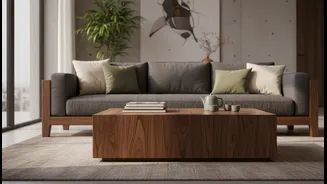
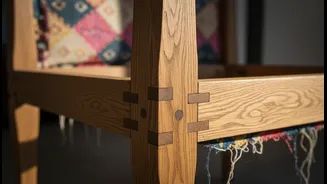
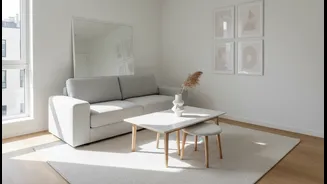
So, what kind of furniture passes the test with flying colors? Pieces with staying power share a few key traits. First is quality craftsmanship. This means solid wood construction over particleboard, well-made joints, and durable upholstery. These are items built to withstand daily life, not just to be looked at. Second is timeless and versatile design. A classic wooden dining table or a sofa with clean, simple lines will adapt to changing tastes and different homes far better than something tied to a fleeting micro-trend. They serve as a neutral, elegant foundation that you can update with new pillows or decor. Finally, these pieces often have a personal connection. They are things you genuinely love, that reflect your personality, and that you can see yourself using and appreciating for years, no matter where you live.
How to Apply the Test Before You Buy
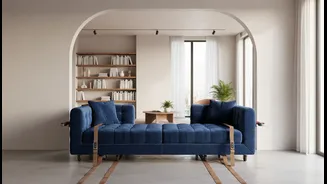
Putting the Second-Move Test into practice is easy. When you’re considering a purchase, pause and visualize its future. First, imagine it in a different room of your current home. Could that bedroom armchair work in the living room? Can that console table function in an entryway? If its use is extremely limited, it may not be a flexible long-term companion. Next, imagine it in a completely different house—one that might be smaller, larger, or have a different architectural style. Does the piece still have a place? Consider the material and build. Ask yourself if the construction feels solid enough to survive being disassembled, wrapped, jostled in a truck, and reassembled. If you look at an item and your first thought is, “I’d probably just sell it or leave it behind,” then it has failed the test. It’s a purchase for the now, not for your life.
Beyond Furniture: A Philosophy of Home
Ultimately, the Second-Move Test is more than just a practical shopping tip; it's a philosophy. It’s about choosing to fill your home with intention. It pushes back against the culture of disposability that defines fast furniture, where millions of tons of furnishings end up in landfills each year. By asking if something is worthy of a second move, you are choosing sustainability and long-term value over short-term gratification. You begin to see your belongings not as temporary props for a particular stage of life, but as partners in the story of your home. The goal is to curate a space that evolves with you, filled with pieces that carry meaning and memories, creating a true sanctuary that feels authentically yours, no matter how many times your address changes.