



The Problem with 'One-Size-Fits-All' Fitness
Online fitness challenges are fantastic motivators. They provide structure, community, and a clear goal. Yet, many are designed with a 'one-size-fits-all' approach, which is where the problem begins. Fitness is not a uniform state; it's a vast spectrum.
A Day 1 workout that feels like a gentle warm-up to an experienced athlete could be a recipe for injury for a beginner. Conversely, a routine that’s perfect for a newcomer will likely be ineffective for someone who has been training for years. This lack of scalability can lead to frustration, demotivation, and even physical harm, turning a positive goal into a negative experience. When a program doesn't account for individual fitness levels, it fails to serve its audience effectively.
Safety and Progress for Beginners
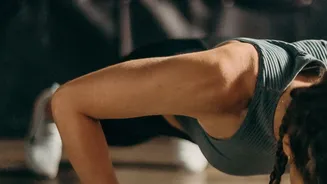
For those new to exercise, jumping into a high-intensity challenge without proper guidance is risky. The pressure to keep up can cause people to sacrifice proper form, leading to strains and injuries. This is where 'easier' modifications, or regressions, are essential. A regression isn't a sign of failure; it’s a smart and safe way to build a foundation. For example, instead of a full push-up, a beginner can start with push-ups on their knees or against a wall. This modification still targets the same muscle groups but reduces the load, allowing them to build strength safely. Providing these options ensures that beginners can participate fully and feel a sense of accomplishment, making them more likely to stick with the program long-term.
Avoiding Plateaus for the Experienced
On the other end of the spectrum are the fitness veterans. For them, a challenge that is not difficult enough will lead to a plateau. The principle of progressive overload states that for muscles to grow stronger, they must be subjected to a challenge greater than what they are accustomed to. If a workout is too easy, the body has no reason to adapt. This is where 'harder' modifications, or progressions, come into play. A simple squat can be progressed to a goblet squat (holding a weight), a jump squat for plyometric power, or a single-leg squat for a greater stability challenge. These options allow advanced participants to push their limits, ensuring they continue to see results and remain engaged. Without progressions, experienced users will quickly grow bored and seek a challenge elsewhere.
The 'Goldilocks Zone' of Exercise
The ultimate goal for any fitness program is to help each participant find their 'Goldilocks Zone'—an intensity that is not too easy, not too hard, but just right. This is where real progress happens. Scalable workouts that offer both progressions and regressions empower users to self-regulate. Feeling strong today? Try the harder variation. Recovering from an illness or just feeling tired? Opt for the easier modification. This approach teaches people to listen to their bodies, a crucial skill for a sustainable, lifelong fitness journey. It moves away from a rigid, punishing mindset and toward one that is flexible, intelligent, and ultimately more effective. A well-designed challenge makes everyone feel successful, no matter which option they choose.
A Win-Win for Creators and Participants
Offering modifications isn't just good for participants; it's a smart business strategy for fitness creators. An inclusive program that caters to all levels widens the potential audience. Instead of only appealing to a narrow slice of the fitness market, a scalable challenge becomes a valuable resource for beginners, advanced athletes, and everyone in between. This fosters a stronger, more diverse, and more loyal community. When participants feel seen, supported, and successful, they are more likely to recommend the program and invest in future offerings. It transforms a simple fitness challenge from a short-term gimmick into a sustainable and respected platform for genuine health improvement.