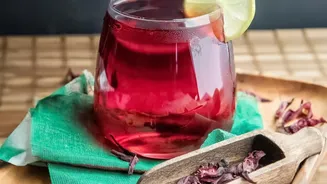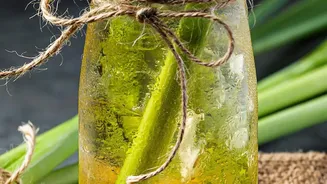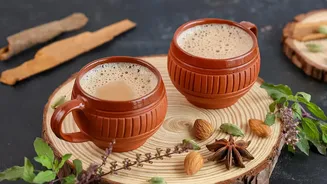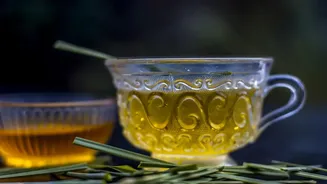




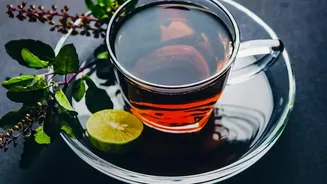


What Exactly Are Botanical Teas?
First, let's clear up the terminology. While we often call them 'teas', most botanical blends are technically 'tisanes' or herbal infusions. Unlike true teas, which come from the Camellia sinensis plant, botanicals are made from a variety of other plants—think
flowers, fruits, roots, and herbs like hibiscus, chamomile, mint, and ginger. Many of these are naturally caffeine-free, offering a vibrant spectrum of flavours and wellness benefits without the intense buzz of traditional tea or coffee. In India, herbal infusions with ingredients like tulsi, ginger, and lemongrass have long been part of daily wellness rituals.
The Cold Brew Difference: Smoother and Sweeter
The magic of cold brewing lies in its gentle, slow extraction process. Instead of using hot water, tea leaves or botanicals are steeped in cold or room-temperature water for several hours—typically between 8 and 24. This simple change has a significant impact on the final taste. Hot water quickly releases tannins, the compounds responsible for the bitter and astringent taste in many traditionally brewed teas. Cold water, on the other hand, extracts these tannins much more slowly, resulting in a drink that is noticeably smoother, rounder, and naturally sweeter. This means you are less likely to need sugar or sweeteners to make it palatable.
A Gentler, More Balanced Boost
If you are sensitive to caffeine, cold brewing is a game-changer. The cold water extraction process doesn't draw out caffeine as efficiently as hot water does. As a result, a cold-brewed tea will typically have significantly less caffeine than the same tea brewed hot. For botanical teas that are already naturally low-in or free-of-caffeine, this makes for an especially gentle lift. This avoids the anxiety, jitters, or increased heart rate that high doses of caffeine can cause, particularly in hot weather when the body is already under stress.
Superior Hydration for Hot Days
Staying hydrated is crucial in the heat, and not all drinks are created equal. While moderate caffeine intake might not be severely dehydrating for regular users, high amounts can act as a diuretic, causing the body to lose more fluid. Sugary drinks can also impair hydration. Cold-brewed botanical teas, being largely caffeine-free and naturally sweet without added sugar, are an excellent choice for hydration. They offer refreshing flavour that encourages you to drink more, helping replenish fluids lost through sweat without working against your body.
Packed with Wellness Benefits
Beyond flavour, the cold brew method appears to be better at preserving certain delicate compounds. Some research suggests that cold brewing can yield a higher concentration of specific antioxidants, like EGCG found in green tea, compared to hot brewing. Botanical ingredients bring their own powerful properties to the cup. Hibiscus is known to support heart health, peppermint can aid digestion, and chamomile is celebrated for its calming effects. Ingredients common in Indian households, like tulsi and ginger, are revered for their immunity-boosting properties.