






The 'Why' Behind the Policy
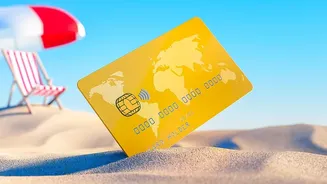
This isn't just a quirky rule; it’s a standard procedure rooted in security and fraud prevention. When a hotel asks for your physical card, they are primarily trying to achieve two things. First, they are verifying your identity and ensuring the booking
is legitimate. Fraudulent transactions and chargebacks are a significant concern for the hospitality industry, and physically inserting a chip-enabled card is one of the most secure ways to confirm a transaction is valid. Second, the hotel needs a card on file for incidentals. This covers any extra charges you might incur during your stay, such as room service, minibar purchases, or potential damages to the room. Even if you've prepaid for your room, this incidental hold—a temporary block on a certain amount—is a common practice.
When This Becomes a Problem
For many travellers, presenting the booking card is simple. But several common scenarios can create a stressful check-in experience. What if the room was booked using a corporate credit card, and you're not the cardholder? What if a family member in another city booked the room for you as a gift? Or perhaps you’ve since lost the card, received a replacement with a new number, or simply chose not to carry that specific card on your trip. In these situations, arriving without the physical card can lead to delays or, in worst-case scenarios, the hotel refusing to honour your reservation until an alternative payment method is secured. Policies can vary widely, but it is a potential hurdle every traveller should be aware of.
How to Prepare Before You Travel
A little preparation can prevent a lot of frustration. The best defence is a good offence: always read the hotel's payment and check-in policies before you finalise your booking. These are usually found in the terms and conditions. When possible, book your stay with the credit card you plan to carry with you. If you must use a different card—like a spouse's, parent's, or company's—you need to contact the hotel directly and well in advance of your arrival. Ask about their policy for third-party bookings. Most hotels have a 'Credit Card Authorization Form'. This document, signed by the cardholder, gives the hotel permission to charge their card for your stay. The cardholder will need to fill it out and send it back to the hotel, often with a copy of their ID and the front and back of the card.
What to Do If You're Caught at the Counter
If you find yourself at the check-in desk without the required card, don't panic. Calmly explain the situation to the front desk staff. If you used a different card, see if they can call the cardholder to get verbal authorisation, though this is not always successful. Your best option is often to present a different credit card in your name for the pre-authorisation and final bill. If you've lost the original card, explain this and provide any documentation you can, like a police report or communication with your bank. Some card issuers can even send a replacement card to your hotel. As a last resort, some hotels may accept a significant cash deposit, but this is becoming less common. Many Indian hotels have also started using digital check-in and UPI, which can sometimes offer more flexibility, but it's wise not to rely on this without confirming first.