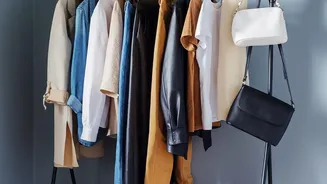

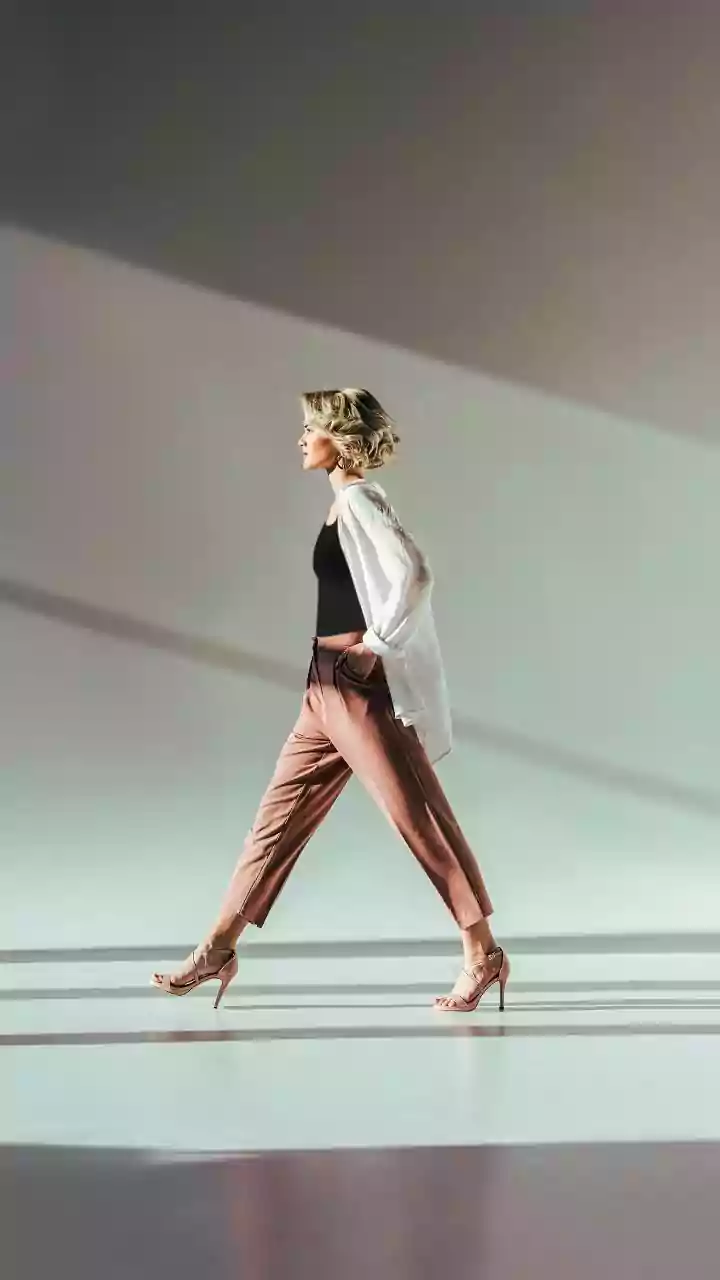

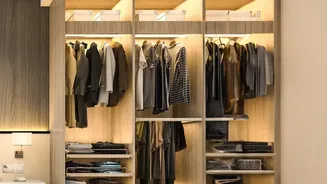

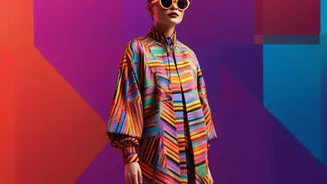
A closet full of clothes, yet nothing to wear. It’s a common frustration that often leads to impulse buys. But what if the secret to a better wardrobe isn't more shopping, but smarter styling? Here are five choices that help you save money.
Build a Capsule Wardrobe
The first step
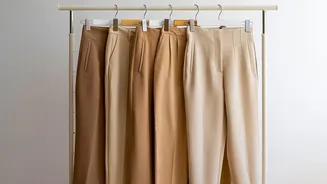
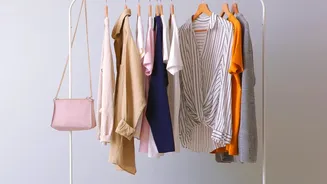
toward smarter consumption is to embrace the concept of a capsule wardrobe. This is a curated collection of essential, versatile pieces that you love and can be easily mixed and matched. By focusing on quality over quantity, you create dozens of outfits from a limited number of items. Start by identifying your most-worn pieces—these are the foundation of your capsule. Think neutral-coloured trousers, classic denim, simple t-shirts, and a go-to jacket. Then, add a few accent pieces that reflect your personal style. This approach saves you from staring into a cluttered closet and prevents you from buying redundant items. It simplifies getting dressed, saves time, and significantly cuts down on spending.
Calculate the 'Cost Per Wear'
Change your shopping mindset by focusing on 'cost per wear' (CPW) instead of just the price tag. The formula is simple: divide the price of a garment by the number of times you expect to wear it. A high-quality, ₹8,000 coat that you wear 200 times has a CPW of just ₹40. In contrast, a trendy, ₹1,500 top worn only three times has a CPW of ₹500. This calculation reveals the true value of an item over its lifetime. It discourages impulse buys on cheap, low-quality clothes that don't last and encourages investment in durable, timeless pieces you will wear for years. Before you buy something new, do a quick mental CPW calculation. It's a powerful tool for making smarter financial decisions and building a wardrobe that offers genuine value.
Adopt the '30 Wears' Test
Popularised by sustainability advocate Livia Firth, the '30 Wears' test is a simple but effective rule to curb impulse shopping. Before purchasing any new item, ask yourself a straightforward question: 'Will I wear this a minimum of 30 times?'. If the answer is a confident yes, and you can already picture the different outfits and occasions, then it’s likely a worthwhile purchase. If you hesitate, it’s a sign to put the item back. This test is particularly useful for occasion-specific outfits or trendy pieces that might fall out of style quickly. Thirty wears might seem like a high bar, but a piece worn once a month will get there in just over two years. This simple habit forces you to think about longevity and intention, pushing you towards a more sustainable and well-loved wardrobe.
Master the Art of Layering
Layering is a styling superpower that dramatically increases the versatility of your existing clothes. A simple dress can be worn on its own in warmer months, then layered with a turtleneck underneath or a blazer on top when it gets cooler. A basic t_shirt works under an open button_down shirt, a sweater, or a jacket, creating multiple distinct looks from the same core pieces. By mastering layering, you essentially multiply your outfit combinations without adding new items to your closet. This technique not only helps you adapt to changing weather but also adds depth and interest to your outfits. It's a creative way to get more use out of seasonal clothes and rediscover forgotten items, proving that styling, not shopping, is the key to a dynamic wardrobe.
Use Accessories to Transform Outfits
Never underestimate the power of accessories. A simple black dress or a combination of a white shirt and jeans can be completely transformed with the right additions. A colourful scarf, a statement belt, a different handbag, or bold jewellery can change the entire mood of an outfit, taking it from casual to formal or from plain to eye catching. Instead of buying a whole new outfit for an event, consider whether a new accessory could revitalise something you already own. This is one of the most cost effective ways to refresh your look. Investing in a few high quality , versatile accessories gives you endless options to reinvent your core wardrobe pieces , saving you money and reducing the need to buy more clothes.