





The Monsoon Dilemma in the Himalayas
For adventure seekers, the Indian Himalayas are a dream destination. However, the monsoon season, typically from June to September, transforms many popular states like Uttarakhand and Himachal Pradesh into high-risk zones. Intense rainfall saturates the soil
on steep slopes, leading to frequent and often devastating landslides that block roads, isolate villages, and pose a serious threat to life. This has created a dilemma for travellers yearning for a mountain escape during these months, forcing them to look for safer alternatives without sacrificing the thrill of exploration. Recent trends show a significant rise in monsoon travel, with people actively seeking destinations that offer the beauty of the season without the peril.
A World Beyond the Monsoon Clouds
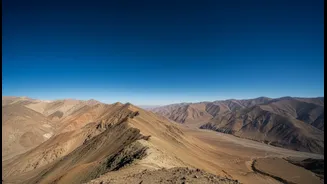
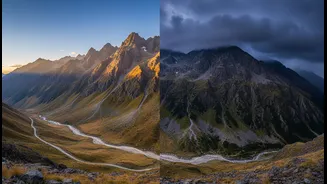
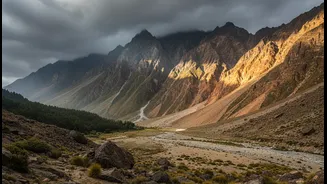
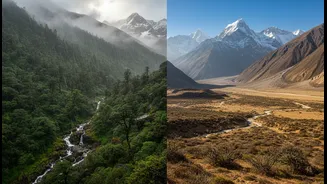
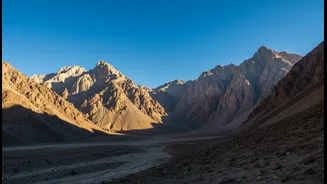
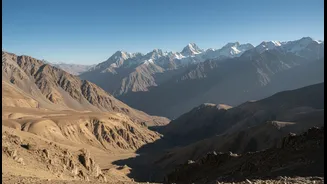
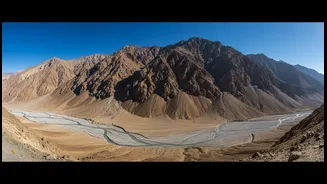
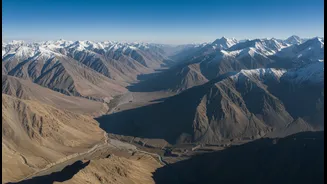
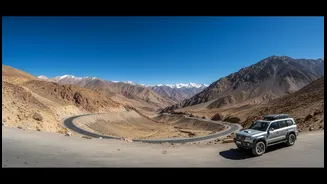
Enter Ladakh and the Spiti Valley. These high-altitude regions are often called 'cold deserts' for a reason. Their unique geography places them in a rain-shadow zone. The towering Greater Himalayan and Pir Panjal ranges act as a massive barrier, blocking the moisture-laden monsoon clouds that travel up from the Indian plains. While the windward side of the mountains (like Himachal and Uttarakhand) gets drenched, the leeward side, where Ladakh and Spiti lie, receives very little rainfall. This geographical phenomenon ensures that while the rest of the country is experiencing heavy downpours, these regions often enjoy dry, sunny weather, making them ideal for travel.
Safety Meets Unpredictable Adventure
The direct benefit of being in a rain-shadow area is a dramatically lower risk of the widespread, rain-induced landslides common elsewhere in the Himalayas. Roads are less likely to be washed away, and travel itineraries are more likely to proceed without major disruptions. This perception of safety is a primary driver for urban travellers who have limited vacation days and cannot afford to be stranded. The accessibility, especially with flights to Leh, makes Ladakh a slightly easier option for first-timers, while Spiti offers a more raw, off-the-beaten-path road trip experience. This combination of relative safety and epic adventure is precisely what the modern Indian explorer seeks.
More Than Just a Safe Bet
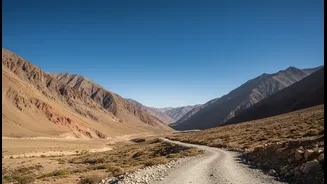
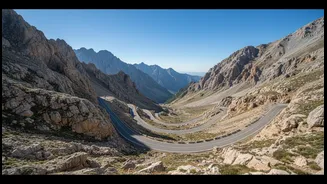
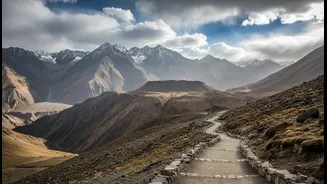
The appeal of Ladakh and Spiti, however, goes far beyond just safety. Travellers are drawn to the otherworldly landscapes that are unlike anything else in India. Imagine vast, arid valleys, stark mountains painted in shades of brown and purple, crystal-clear blue lakes like Pangong Tso, and ancient, cliff-side monasteries such as Key and Dhankar. These regions offer a unique cultural immersion into a predominantly Tibetan Buddhist way of life. The opportunities for adventure are endless, from motorbiking on some of the world's highest passes to trekking, river rafting, and wildlife spotting, including the elusive snow leopard in Pin Valley National Park.
A Necessary Word of Caution
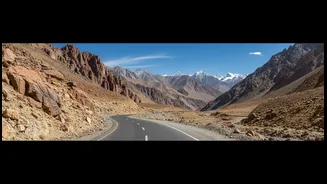
While Spiti and Ladakh are significantly safer during the monsoon, it is crucial to understand that they are not entirely free from natural hazards. The term 'landslide-free' is an oversimplification. Localized cloudbursts, though rare, can trigger flash floods and landslides, as seen in Lahaul-Spiti in early July 2026. Moreover, the approach roads, particularly the Manali-Leh and Manali-Kaza highways, pass through areas that do receive monsoon rains and are prone to blockages. Avalanches can also occur at high passes, even outside of peak winter. Therefore, travellers should always factor in buffer days, check road conditions before starting their journey, and remain flexible with their plans.