




1. Immunity-Boosting Spices: Ginger and Turmeric
During the damp monsoon months, your immunity can take a hit. This is where ginger and turmeric, staples in every Indian kitchen, come to the rescue. Ginger is a powerhouse known for its warming properties and ability to fight colds and flu. Its active
compound, gingerol, has anti-inflammatory and antiviral benefits, making it perfect for a soothing cup of adrak chai or for adding a kick to your curries. Turmeric contains curcumin, a compound with potent antioxidant and anti-inflammatory effects that help strengthen your body's defences. A daily dose of 'haldi doodh' before bed is a timeless remedy to keep infections at bay. Using these spices not only adds flavour but also provides a much-needed protective layer against common monsoon ailments.
2. Comforting Lentils: The Humble Dal
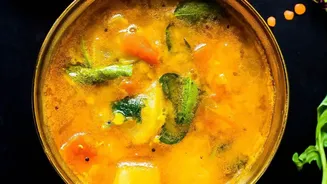
There's nothing quite like a warm bowl of dal on a rainy day. Lentils and pulses are not just comfort food; they are a practical and nutritious pantry essential for the monsoon. Moong dal, in particular, is celebrated in Ayurveda for being light and easy to digest, which is crucial when the humid weather can make your digestive system sluggish. Stocking up on various dals like masoor, toor, and chana ensures you have a steady supply of protein and fibre, keeping you full and nourished even if a downpour prevents a trip to the market. A simple dal tadka or a wholesome khichdi is the perfect meal to keep you warm, healthy, and comforted throughout the season.
3. Seasonal Gourds: Lauki, Turai, and Tinda
While leafy green vegetables can harbour dirt and are prone to spoilage during the monsoon, seasonal gourds are a safer and healthier bet. Vegetables like lauki (bottle gourd), turai (ridge gourd), and tinda (Indian round gourd) are traditionally recommended during this season. They are light on the stomach, easy to digest, and have a high water content that helps keep you hydrated. According to Ayurvedic principles, these vegetables help balance the body's doshas, which are believed to be aggravated during the rains. They can be used to make a variety of simple, home-cooked sabzis and soups that are both nourishing and gentle on your digestive system.
4. Gut-Friendly Foods: Curd and Other Probiotics
A significant portion of your immune system resides in your gut, making gut health paramount during the monsoon. Including probiotic-rich foods like fresh, homemade curd (dahi) in your diet is an excellent way to support it. Probiotics help maintain a healthy balance of gut bacteria, which can aid digestion and prevent common stomach issues that arise during this season. A bowl of plain curd with your lunch or a glass of buttermilk can be very beneficial. However, it is important to ensure the curd is fresh, as it can spoil quickly in the humid weather. Consuming it during the day is often recommended over having it at night.
5. Warming Brews: Herbal Teas and Kadha Ingredients
Sipping on warm beverages is a quintessential monsoon experience. Beyond your regular chai, stocking ingredients for herbal teas and kadha can be a game-changer for your health. A simple brew of tulsi (holy basil) leaves, black pepper, cloves, and ginger can help soothe a sore throat and ward off infections. These ingredients have natural antibacterial and antiviral properties. Keeping a stock of green tea is also a great idea, as it is packed with antioxidants that help boost overall health. These warm drinks not only provide comfort on a chilly, rainy day but also help you stay hydrated and keep your immune system strong.