





The Strategic Handover
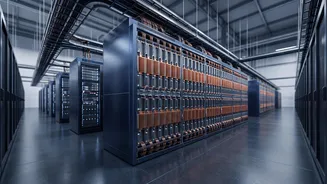
Santosh Janardhan, Meta's long-serving head of infrastructure and co-head of engineering, is set to step down in early 2027. Having joined the company back in 2009 when it was still just Facebook, Janardhan has been a pivotal architect of the global data
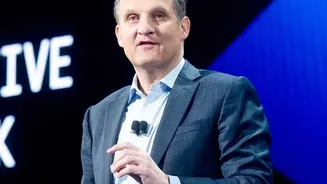
centers, networks, and custom silicon that power Meta's suite of applications. Rather than an abrupt exit, this is a managed transition. Janardhan will remain with the company through the first quarter of 2027 to ensure a smooth handover before moving into an advisory role. Taking the reins is Dave Brown, a seasoned executive who joined Meta in July 2026 after a nearly two-decade career at Amazon Web Services (AWS). Brown's new role is expansive: he will not only lead the infrastructure division but also serve as the Chief Technology Officer of Meta Compute, the company's overarching data center and AI hardware initiative.
A Bet Measured in Billions
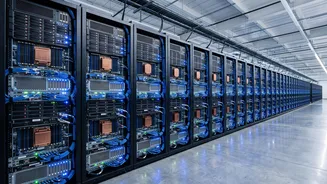
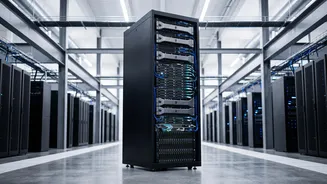
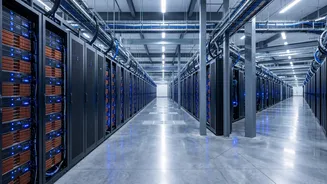
This leadership change is happening against a backdrop of staggering financial commitment. For 2026, Meta has forecasted capital expenditures between $135 billion and $145 billion, a figure that nearly doubles its spending from the previous year. The vast majority of this capital is being funneled directly into building the foundational layer for its AI strategy. This includes constructing massive, specialized data centers, securing long-term energy contracts to power them, designing custom AI accelerator chips, and securing capacity from cloud partners. The scale is immense, with the company spending tens of billions per quarter to create the computational power required to train and deploy its next-generation AI models, like the Llama series and the new agent, Muse. This spending has put a strain on the company's cash flow, making the efficient management of these resources more critical than ever.
Importing the AWS Playbook
Hiring Dave Brown is a clear signal of Meta's strategic direction. By bringing in an executive who spent nearly 20 years building and scaling the world's largest cloud computing platform, Meta is acknowledging a crucial shift. The infrastructure needed for a social media giant is fundamentally different from what is required to compete in the hyperscale AI race against Google, Microsoft, and OpenAI. Brown brings deep experience in managing the kind of large-scale compute and machine-learning services that Meta is now desperately trying to build. His appointment is seen as a move to instill the operational discipline and technical strategy of a cloud-native behemoth into Meta's infrastructure division. The goal is to ensure that the colossal investment translates directly into deployed AI products with greater speed and efficiency.
Pressure to Deliver Returns
While Janardhan built the foundation, Brown is now tasked with building a skyscraper on top of it—and proving to investors that the massive cost is justified. The core challenge will be to convert the raw power of tens of gigawatts of computing capacity into profitable services and dominant AI products. CEO Mark Zuckerberg is betting the company's future on what he calls 'superintelligence', and the infrastructure division is where that vision meets physical and financial reality. Brown's performance will be measured by how well Meta's infrastructure can support the scaling of AI in its core advertising business, power new consumer-facing agents, and potentially open up new enterprise revenue streams. With billions committed and the AI talent war raging, the pressure to turn capital expenditure into a competitive edge has never been higher.