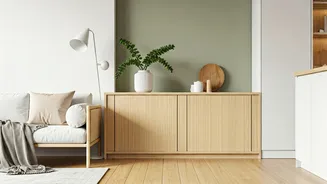



First, What Is Japandi?
Before we unpack the trunk, let’s talk about the design philosophy it’s sitting in. Japandi is the beautiful, minimalist hybrid of Japanese and Scandinavian aesthetics. Think of it as the best of both worlds. From Japan, it takes the 'wabi-sabi' principle—finding
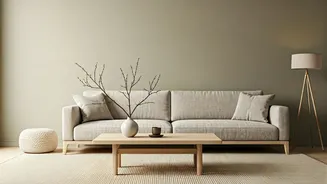
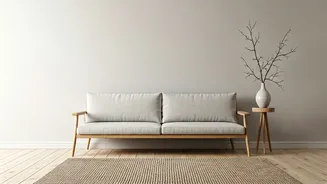
beauty in imperfection, simplicity, and natural materials. From Scandinavia, it borrows 'hygge'—a sense of cosy contentment, warmth, and well-being. Together, they create a style that is clean but not cold, minimalist but not sterile. It’s all about creating a serene, uncluttered, and functional sanctuary using natural elements like light woods, bamboo, and neutral colour palettes.
The Enduring Appeal of the Trunk
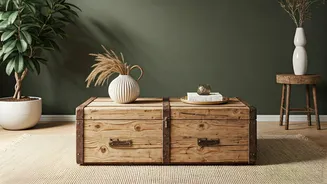
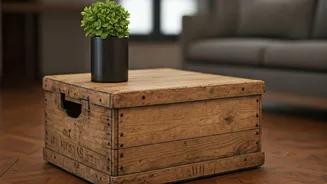
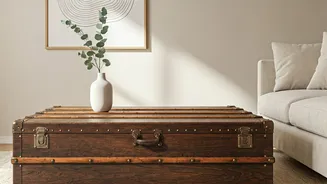
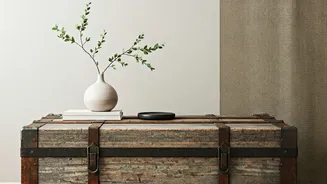
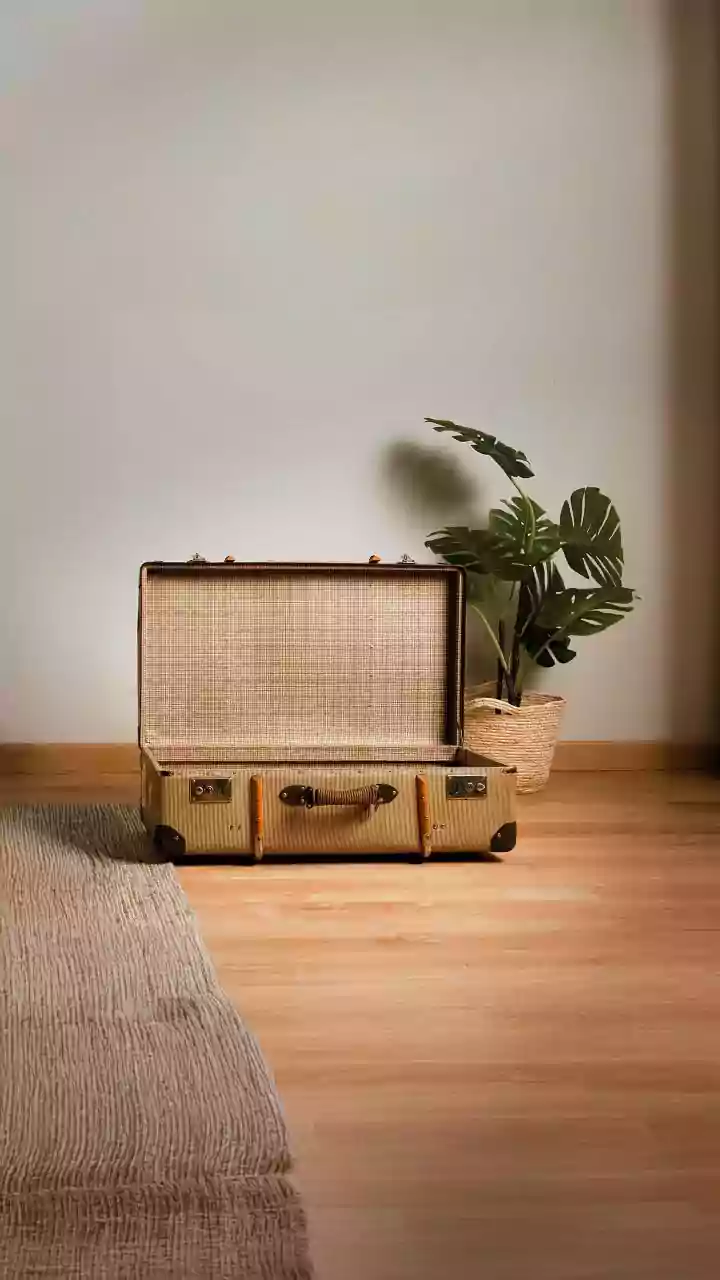
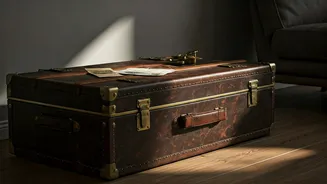
On its own, an old trunk is a powerful object. It evokes a sense of history, travel, and mystery. Who owned it? Where has it been? A vintage trunk—whether a steamer trunk from a bygone era or a simple military footlocker—brings texture and a narrative into a room. The aged leather, tarnished brass fittings, and scuffed wood are a testament to a life lived. In a world of mass-produced furniture, a trunk feels deeply personal and authentic. Plus, it’s practical. That lid opens up to reveal a secret storage space, perfect for hiding away blankets, board games, or the general clutter of modern life.
A Match Made in Design Heaven
Putting an old trunk in a Japandi-style room might seem counterintuitive. One is rustic and storied; the other is sleek and serene. But that’s precisely why it works. The trunk becomes the perfect 'wabi-sabi' element. Its imperfections and age provide a soulful counterpoint to the clean lines of a modern sofa or the smooth finish of a light oak floor. The trunk introduces a touch of warmth and history that prevents the minimalist space from feeling impersonal. It grounds the room, giving the eye a focal point rich with character. This contrast—between the old and the new, the rustic and the refined—is what makes the look so compelling and visually satisfying.
Why This Trend Is Perfect for Now
The rise of the Japandi trunk coffee table isn’t happening in a vacuum. It speaks to several larger cultural shifts. Firstly, there’s the growing emphasis on sustainability. Upcycling an old trunk is the ultimate eco-friendly move, diverting a beautiful object from the landfill and giving it a new purpose. Secondly, we’re craving authenticity and uniqueness. In an age of cookie-cutter interiors, a one-of-a-kind vintage piece makes a home feel truly personal. Finally, after years of global uncertainty, we’re all seeking to create homes that are peaceful sanctuaries. The calm, mindful ethos of Japandi, combined with the nostalgic comfort of a vintage trunk, creates an environment that feels both safe and soulful.
Bringing the Look Home
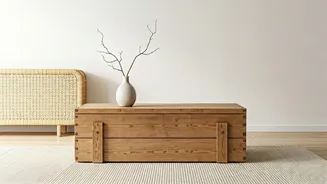
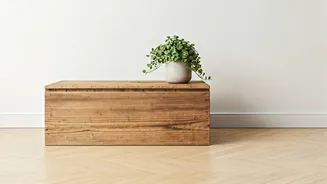
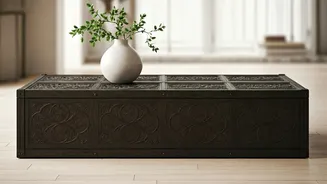
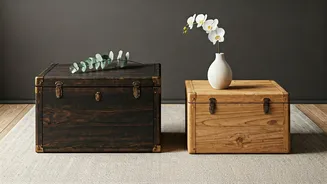
Inspired to try the trend? The beauty of it is its flexibility. You don’t need a specific type of trunk. Look for one that speaks to you at a flea market, in a grandparent’s attic, or online. Consider the scale of your room—a larger space can handle a substantial steamer trunk, while a smaller living room might be better served by a more compact footlocker. Don't worry about minor dings or scratches; they’re part of the charm. To style it, keep the surface relatively clear to let the trunk itself shine. A simple tray with a candle, a small plant, and a couple of books is all you need. Pair it with soft, neutral textiles, simple ceramics, and plenty of natural light to complete the serene Japandi vibe.