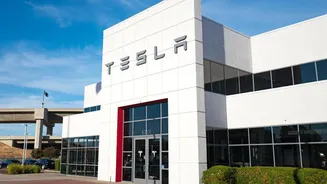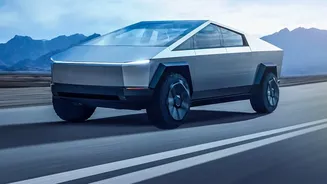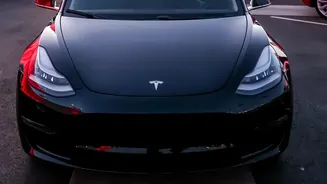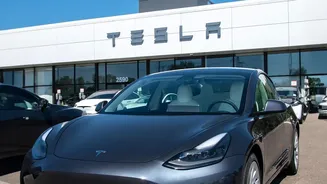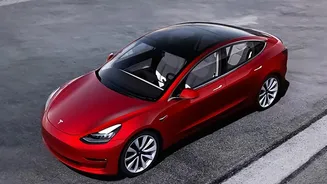




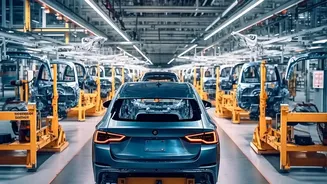
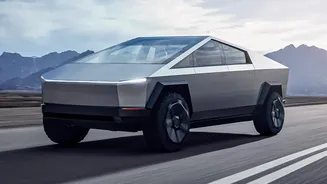
Tesla's Gigafactory in Texas is the heart of its production ambitions. Now, its future is being reshaped by a major strategic pivot: making way for the Cybercab, the company's purpose-built, self-driving robotaxi.
A Major Shift in Strategy
In a significant announcement, Tesla CEO
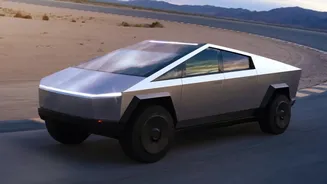
Elon Musk revealed that the company will begin winding down production of its much-debated Cybertruck at the Gigafactory Texas around mid-2027. The primary reason for this shift is to reallocate factory space, equipment, and personnel to accelerate the manufacturing of the Cybercab. This move signals a clear prioritization of Tesla's long-term vision for autonomous ride-hailing over one of its most distinctive consumer vehicles. The Texas plant, which is currently the sole production facility for the Cybertruck, will see its resources redirected toward what Musk sees as a technology that will 'profoundly transform' transportation.
The Rise of the Cybercab
The Cybercab is Tesla's answer to the future of urban mobility. Unveiled in 2024, it's a two-passenger vehicle designed from the ground up for autonomous operation, featuring no steering wheel or pedals. Production began at Giga Texas in early 2026, and by September, the vehicles were already being used to offer paid rides in limited parts of Austin, prompting an audit from federal safety regulators. The goal is to deploy these vehicles in a massive robotaxi network owned and operated by Tesla, creating a new revenue stream beyond simply selling cars. By focusing Giga Texas on this project, Tesla is betting heavily that its autonomous technology is the key to its future growth.
The Fate of the Cybertruck
The decision to phase out Cybertruck production in Texas comes after the vehicle struggled to meet initial sales expectations. First delivered to customers in late 2023, the stainless-steel pickup faced challenges with its higher than expected price tag, reliability issues, and multiple recalls. Though Tesla has the installed capacity to build over 125,000 Cybertrucks annually, sales have not kept pace. To manage the transition, Musk stated that an extra shift will be added to fulfill the existing backlog of orders before the production line is dismantled in mid-2027. While Musk has not confirmed if Cybertruck production will be discontinued entirely or moved elsewhere, its priority at the company's flagship factory is officially over.
Giga Texas: The Autonomy Hub
This strategic pivot solidifies Giga Texas as the central hub for Tesla's most ambitious future projects. Beyond vehicles, the site is also home to a massive expansion of Tesla's 4680 battery cell manufacturing, which will soon make it the largest battery factory in North America. These cells are crucial for the Cybercab, the Tesla Semi, and other models. The decision to allocate prime factory real estate to the Cybercab—alongside other major projects like the Optimus humanoid robot factory also under construction onsite—demonstrates a clear strategic alignment. Tesla is no longer just an electric car company; it is retooling its core manufacturing infrastructure to become a leader in AI driven robotics and autonomous transport.