



Beyond the Basics of Hydration
We all know that drinking water is essential for everything from regulating body temperature to transporting nutrients. But how much is enough? The answer isn't a single number; it's a moving target influenced by your unique body and circumstances. Factors
like how hard you're working, the weather, and even what you're wearing can dramatically alter your fluid requirements. Losing just 2% of your body weight in fluids can significantly impair physical and cognitive performance, making a personalized hydration strategy crucial for both health and achieving your fitness goals. Understanding the key variables is the first step toward crafting a plan that works for you, ensuring you're replacing what you lose without over- or under-doing it.
How Your Body Size Matters
Your physical size plays a significant role in determining how much you sweat. Generally, larger individuals tend to sweat more than smaller ones. This is partly because they have a larger body surface area to cool and often generate more metabolic heat when performing the same activity. However, it's not just about total weight; body composition is also key. Muscle tissue is composed of about 70-75% water, whereas fat tissue contains much less, around 10-20%. This means a muscular person will naturally have higher water requirements than a person of the same weight with a higher body fat percentage, as their muscles demand more fluid to function efficiently and dissipate heat. People with higher BMIs are also more likely to be inadequately hydrated, highlighting the need for conscious fluid intake.
The Impact of Your Pace and Intensity
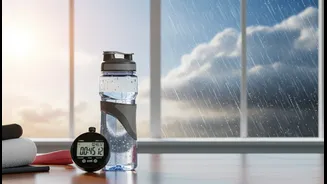
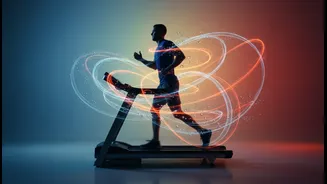
The faster you run or the harder you work out, the more energy your body burns. This increased metabolic rate generates a substantial amount of heat, and your body's primary cooling mechanism is sweating. As exercise intensity rises, your core temperature climbs, triggering a higher sweat rate to cool your skin through evaporation. An athlete exercising at a high intensity, especially in hot and humid conditions, can lose a significant amount of fluid per hour. This makes intensity a critical factor in your hydration plan. A gentle walk requires far less fluid replacement than an intense spin class or a fast-paced run. For workouts lasting over an hour, especially in the heat, it becomes important to replace not just water but also electrolytes like sodium lost through sweat.
Why Your Clothing Choices Count
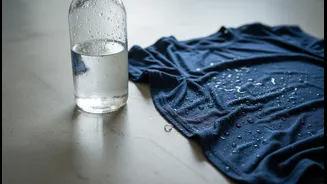
What you wear can either help or hinder your body's ability to cool itself. The goal of workout gear is to allow sweat to evaporate from your skin, which is what actually cools you down. Lightweight, light-coloured, and breathable fabrics, often marketed as 'moisture-wicking', are designed to pull sweat away from the skin and expose it to the air. In contrast, heavy materials like traditional cotton absorb moisture but don't dry quickly. This traps a layer of sweat against your skin, preventing evaporation and causing your body to heat up further. Dark-coloured clothing can also absorb more solar radiation, adding to the heat load. In humid environments, where sweat evaporation is already difficult, wearing the right apparel becomes even more critical to prevent overheating and excessive fluid loss.
How to Estimate Your Personal Needs
The most accurate way to understand your personal fluid needs for a specific activity is to calculate your sweat rate. It's simpler than it sounds. Weigh yourself unclothed right before your workout. Exercise for a set period, typically an hour, keeping track of exactly how much fluid you drink. After your workout, towel off any excess sweat and weigh yourself again, unclothed. The difference between your starting and ending weight, plus the amount of fluid you drank, will give you your total fluid loss for that session. For example, if you lost 1 kg and drank 500 ml, your total fluid loss is approximately 1.5 litres. Performing this test under different conditions—a cool morning run versus a hot afternoon workout—will give you a clear picture of how much you need to drink to stay hydrated.