





The Enduring Soul of Clay
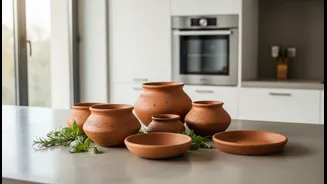
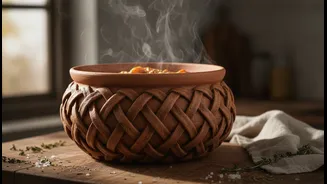
For generations, the kitchens of Rajasthan have been filled with the earthy aroma of food slow-cooked in terracotta pots. This wasn't just a matter of tradition but of science and taste. Clay is naturally porous, allowing heat and moisture to circulate
evenly, which cooks food gently in its own juices. This slow-cooking method helps retain nutrients and deepens flavours, creating a taste that modern metal pans struggle to replicate. Furthermore, terracotta is alkaline, which helps to neutralise the acidity of foods like tomatoes, making them easier to digest and adding essential minerals like calcium, iron, and magnesium to the meal. From the simple 'handi' for curries to pots for setting curd, each vessel was perfectly suited to its purpose, representing a deep understanding of food and material.
A Craft on the Brink
Despite its many benefits, traditional terracotta has faced significant challenges. The rise of cheaper, more durable alternatives like stainless steel and non-stick pans pushed earthenware to the sidelines. For urban dwellers, in particular, the bulky and fragile nature of traditional pots made them impractical for smaller, modern apartments. Artisans, like those in craft clusters such as Molela, found themselves struggling with declining demand, low prices, and a lack of access to wider markets. For many skilled potters, who had inherited their craft through generations, the future looked uncertain, with some being forced to abandon their profession altogether. The disconnect between their timeless products and the needs of contemporary life threatened to turn this vibrant craft into a relic of the past.
Design to the Rescue
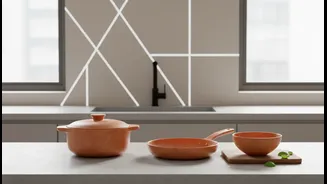
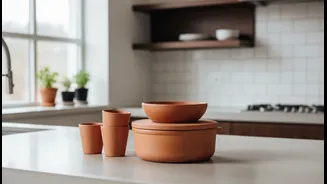
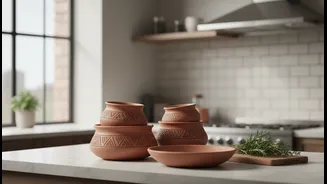
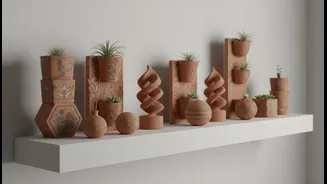
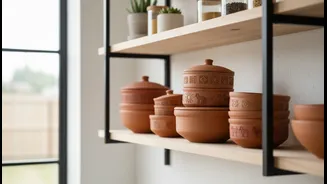
The revival of Rajasthani terracotta lies in a simple but powerful idea: if the modern kitchen can't accommodate the traditional pot, then the pot must adapt to the modern kitchen. This is where contemporary design comes in. Designers and forward-thinking brands are collaborating with artisans to create terracotta cookware that retains its traditional benefits while embracing a modern, space-saving aesthetic. Think stackable handis that minimise storage footprints, multi-functional lids that can be used as serving plates, and sleeker, more minimalist forms that complement contemporary decor. Brands are now offering everything from modern terracotta water bottles and pizza platters to unniappam pans and entire dinner sets, reimagining the material for a new generation.
From Village Kiln to Urban Kitchen
This fusion of heritage craft and modern design is creating a new market for artisans. Initiatives and brands focused on cultural preservation are helping potters adapt their skills to produce these new designs, ensuring higher quality and better income. By combining traditional techniques with modern aesthetics, these artisans are finding a new audience among conscious consumers who value wellness, sustainability, and authenticity. This trend isn't just about selling products; it's about empowering artisan communities by making their skills relevant and economically viable in the 21st century. The result is cookware that tells a story—a story of generational skill, thoughtful adaptation, and cultural pride finding its place on a global stage.