




The Great Banana Ripening Debate
A banana doesn't just change colour as it ripens; its entire composition transforms. The journey from a starchy, green fruit to a sugary, yellow one involves significant shifts in its carbohydrates, texture, and taste. When harvested, bananas are mostly
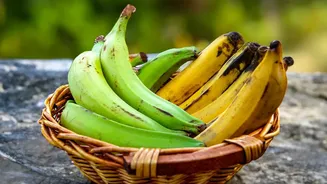
starch. As they ripen, enzymes convert this starch into simple sugars like sucrose, glucose, and fructose. This is why yellow bananas are noticeably sweeter and softer than their green counterparts. While both versions offer essential nutrients like potassium, vitamin B6, and vitamin C, these changes in carbohydrate structure are what create their distinct health benefits.
Green Bananas: The Fibre Powerhouse
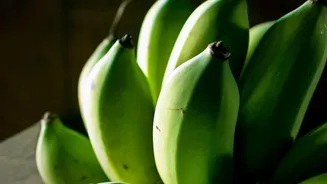
If you're focused on gut health or blood sugar management, the green banana is your friend. Unripe bananas are packed with resistant starch. This type of starch 'resists' digestion in the small intestine and travels to the large intestine, where it acts like a prebiotic fibre. It feeds the beneficial bacteria in your gut, which is essential for good digestive health. Because it's digested slowly, resistant starch also helps you feel fuller for longer, which can aid in weight management. However, this high starch content can cause bloating or gas for some people.
Yellow Bananas: Sweet, Energising, and Easy to Digest
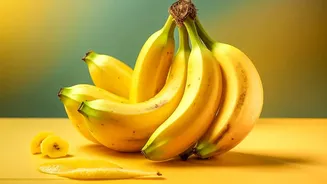
As a banana turns yellow, that resistant starch converts almost entirely into simple sugars. This makes yellow bananas much easier to digest and a great source of quick energy, which is why they are a favourite among athletes for a pre- or post-workout snack. Ripe bananas also tend to have higher levels of antioxidants compared to green ones. While they lose most of their resistant starch, they still contain other fibres like pectin, which contributes to their soft texture and can help moderate the absorption of sugar into the bloodstream.
The Glycemic Index Factor
The difference in carbohydrate types directly impacts the glycemic index (GI) of the banana—a measure of how quickly a food raises blood sugar. Green bananas have a low GI, typically around 30 to 42, because the resistant starch is absorbed slowly. This makes them a better choice for individuals with type 2 diabetes or anyone looking to avoid sharp blood sugar spikes. In contrast, a ripe yellow banana has a medium GI, around 51, and very ripe, spotted bananas can have a GI of 60 or higher as their sugar content peaks. This means they will raise blood sugar more quickly.
Why Portion Size Is Always King
Regardless of which colour you choose, the headline gets it right: portion size still matters. Bananas are a wonderfully nutritious fruit, but they are also relatively dense in calories and carbohydrates. A single medium banana contains around 105 calories and 27 grams of carbs. Eating too many bananas in one sitting, even green ones, can lead to an excessive intake of calories and carbohydrates. For most healthy individuals, one to two bananas per day is considered a moderate and beneficial amount. If you are managing a condition like diabetes, even half a banana might be the appropriate portion size to keep blood sugar levels stable. Pairing a banana with a source of protein or healthy fat, like nuts or yoghurt, can also help slow down sugar absorption.