





Vehicle Health Check: Your First Priority
Before you even think about packing, your vehicle needs a thorough check-up. The rain puts extra stress on your car's systems, and a pre-trip inspection is non-negotiable. First, examine your tyres. They are your only contact with the slippery road. Ensure
they have adequate tread depth (at least 3mm is recommended for monsoon conditions) and are inflated to the manufacturer's specified pressure. Under-inflated tyres can lead to hydroplaning. Next, test your brakes. They should be responsive without any squealing or grinding noises. Your windscreen wipers are your window to the world; replace the blades if they leave streaks or don't clear water effectively. Finally, check all your lights—headlights, taillights, brake lights, and indicators. In heavy rain, visibility drops dramatically, and being seen is as important as seeing.
Route and Timing: The Smartest Path
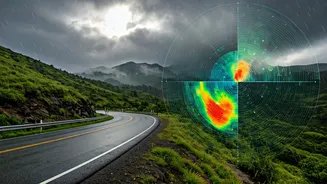
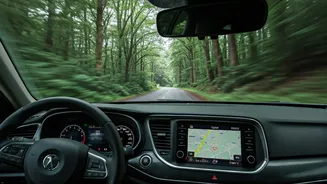
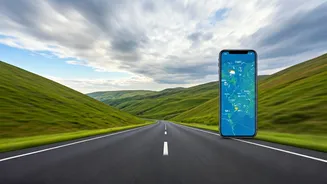
Your usual route might not be the best one during the monsoon. Areas prone to waterlogging or landslides should be avoided. Use real-time traffic apps like Google Maps or Waze, which often show flood warnings and road closures. However, don't rely on them blindly. Cross-reference with local news reports or travel forums for on-ground conditions, especially if you plan to drive through hilly or remote areas like the ghats. It’s also wise to adjust your timing. Avoid driving at night when visibility is at its worst and hazards like potholes hidden by puddles are harder to spot. Start your journey early in the morning to give yourself plenty of daylight hours and a buffer for any unexpected delays.
The Essential Monsoon Road Trip Kit
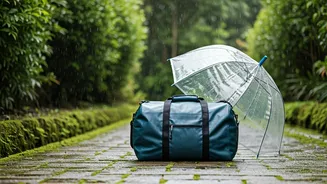
Packing for a rainy road trip goes beyond clothes and snacks. A dedicated monsoon kit can be a lifesaver. Start with waterproofing: get waterproof bags or zip-lock pouches for your electronics, documents, and wallets. Pack a couple of large, sturdy umbrellas and quick-drying towels. A powerful torch with extra batteries is crucial for unexpected stops or car trouble in the dark. Your first-aid kit should be well-stocked, with an emphasis on antiseptic wipes, bandages, and insect repellent. Also include a car safety kit with a tow rope, jumper cables, and a reflective warning triangle. Finally, pack some non-perishable snacks and plenty of drinking water in case you get stuck in a jam for longer than expected.
Driving Safely on Wet Roads
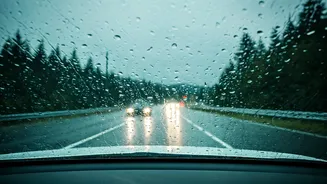
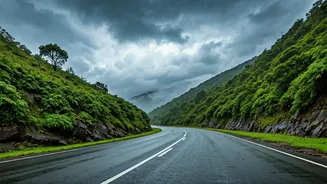
Once you’re on the road, your driving style needs to adapt to the conditions. The golden rule is to slow down. Your braking distance increases significantly on wet surfaces, so reducing your speed gives you more time to react. Maintain a greater following distance from the vehicle ahead—aim for a 5-6 second gap instead of the usual 2-3 seconds. Be gentle and smooth with your steering, braking, and acceleration to avoid losing traction. If you feel the car starting to hydroplane (a sensation of floating or sliding), do not panic or slam the brakes. Gently ease your foot off the accelerator and steer straight until the tyres regain their grip on the road. And when visibility is poor due to heavy rain or fog, turn on your headlights (not high beams, which can reflect off the rain and worsen visibility).
Embrace the Journey
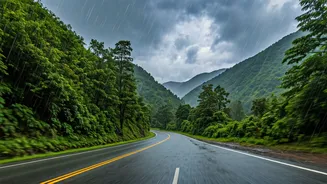
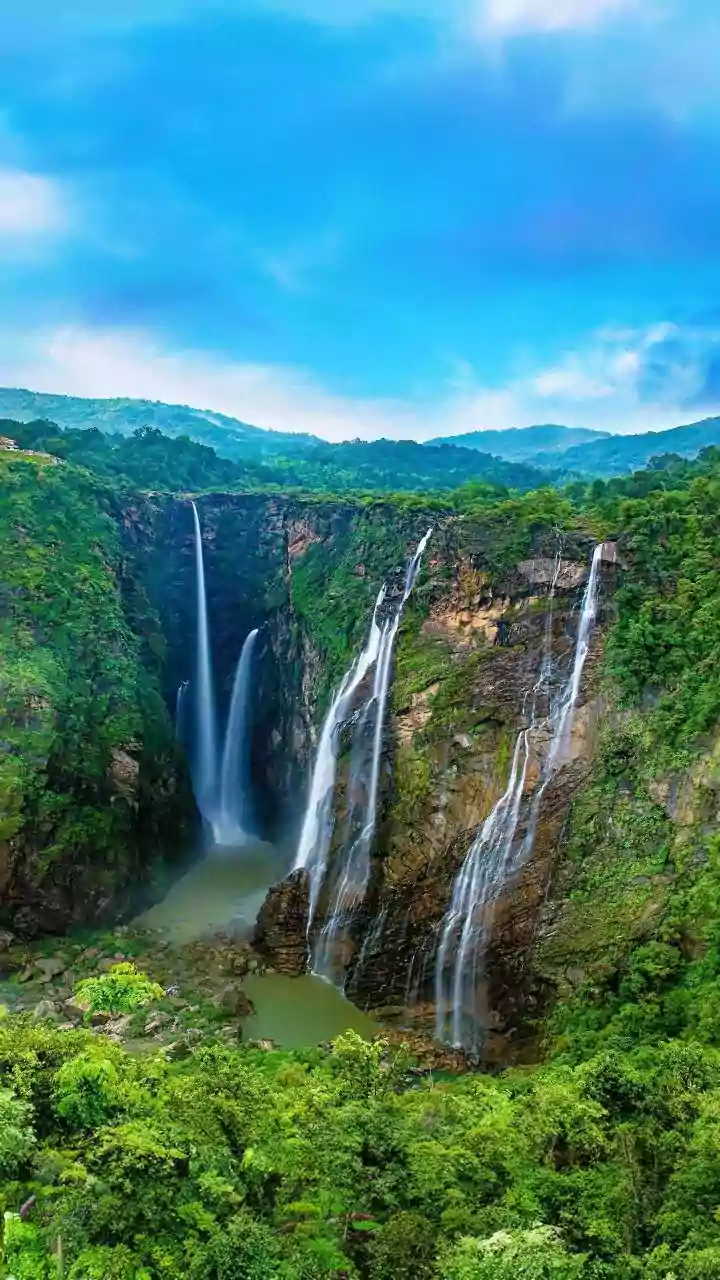
While safety is paramount, don't let the planning and precautions overshadow the joy of the journey. A monsoon road trip is a unique sensory experience. It's about the smell of wet earth, the sight of freshly washed landscapes, and the comfort of a hot cup of chai at a roadside stall while the rain pours down outside. Build flexibility into your itinerary. Some of the best moments happen during unplanned stops. Pull over (safely) to admire a cascading waterfall, take a detour down a scenic village road, and savour the slower pace. A rainy road trip isn't about rushing to a destination; it's about appreciating the beauty of the world being renewed around you.