






Understanding Mizoram's Monsoon
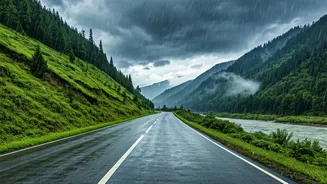
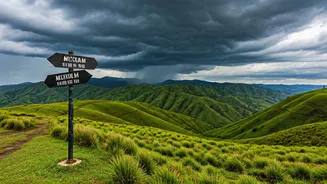
Mizoram experiences a pronounced monsoon season, typically from June to September. Unlike the gentle showers in other parts of the country, the rains here can be intense and relentless, a factor amplified by the state's steep, hilly geography. The monsoon arrived
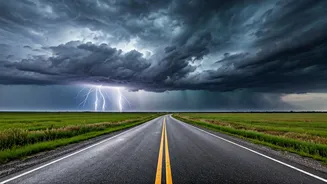
early in 2026, setting in around late May. While the rains transform the state into a lush green paradise, they also bring significant risks for travellers. The India Meteorological Department (IMD) has forecast widespread rainfall accompanied by thunderstorms and lightning for the region through the first week of July. The combination of heavy precipitation and mountainous landscape makes Mizoram particularly susceptible to travel disruptions during this period.
The Primary Risk: Landslides and Road Blocks
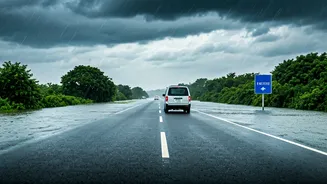
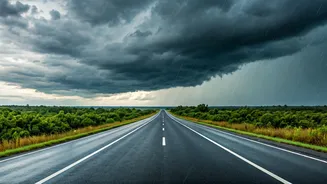
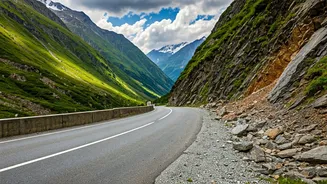
The single biggest concern for anyone travelling to or within Mizoram during the monsoon is landslides. Heavy rains saturate the soil on the hill slopes, leading to mudslides and landslips that can block major highways and smaller roads for hours or even days. Key routes, including those connecting to the capital Aizawl, can become impassable, potentially leaving travellers stranded. In recent years, monsoon-related incidents have become a recurring crisis, with flash floods and landslides causing significant disruption. While authorities work quickly to clear major blockages, the risk of getting caught in a delay is high. This makes road travel unpredictable and requires careful, flexible planning.
Where to Find Reliable Weather Information
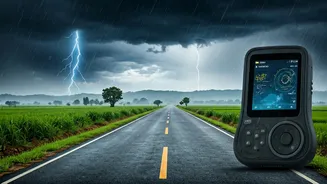
Staying informed is the most critical part of planning a safe trip. The primary source for weather information is the India Meteorological Department (IMD). The IMD issues district-wise weather warnings and provides regular updates on rainfall, thunderstorms, and other potential hazards. For convenience, travellers are advised to download and use the official 'MAUSAM' app for location-specific forecasts, 'Meghdoot' for agricultural advisories, and 'Damini' for lightning warnings. Additionally, checking with local news outlets in Mizoram and staying in touch with your hotel or tour operator for real-time updates on road conditions is highly recommended before starting any journey.
Essential Tips for Safe Travel
If your travel to Mizoram during the monsoon is unavoidable, taking precautions is key. Always pack waterproof clothing, umbrellas, and sturdy, non-slip footwear. Build extra buffer days into your itinerary to account for potential delays from road closures. It's also wise to avoid travelling at night when visibility is poor and the risk of unforeseen hazards is higher. Before you go, ensure you have the necessary Inner Line Permit (ILP) required for non-residents, which can be obtained online or on arrival at certain entry points. Most importantly, respect nature; avoid trekking near rivers or on steep, unstable slopes during periods of heavy rain.
Considering the Best Time to Visit
While the monsoon showcases a uniquely lush and misty version of Mizoram, most experts agree that the best and most reliable time to visit is from October to March. During these post-monsoon and winter months, the skies are generally clear, the weather is pleasant, and the risk of travel disruptions is significantly lower. This period is ideal for trekking, sightseeing, and fully appreciating the panoramic views of the state's rolling hills without the stress of unpredictable weather. Planning a trip during this peak season ensures a smoother, safer, and more predictable travel experience.