






The Power of Three: Why It Works
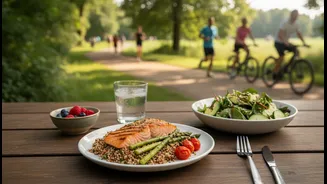
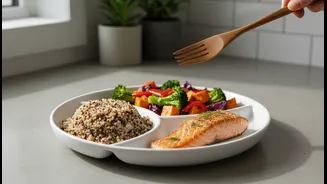
Focusing on just one nutrient, like protein, or avoiding another, like fat, is an outdated approach. The magic happens when fibre, protein, and healthy fats are consumed in the same meal. This combination works synergistically to slow down digestion.
This process helps stabilise blood sugar levels, preventing the sharp spikes and subsequent crashes that leave you feeling tired and hungry. Protein and fat trigger satiety hormones that tell your brain you are full, while fibre adds bulk and slows stomach emptying. The result is sustained energy, reduced cravings, and a feeling of fullness that lasts for hours, making it a powerful strategy for weight management and overall well-being.
Fibre: The Unsung Foundation
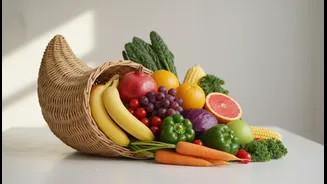
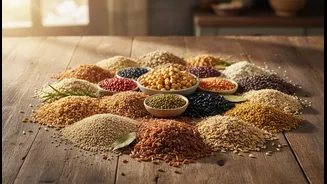
Fibre is a type of carbohydrate that your body can't digest, and it's crucial for digestive health and more. There are two types: soluble fibre, which dissolves in water to form a gel-like substance that helps lower cholesterol and blood sugar, and insoluble fibre, which adds bulk to stool and promotes regularity. Most plant-based foods contain both. For an Indian diet, incorporating fibre is easy. Think whole grains like jowar, bajra, and brown rice, and pulses like dal, chana, and rajma. Vegetables are fibre powerhouses, especially greens like palak (spinach) and methi (fenugreek), as well as bhindi (okra) and carrots. Fruits like guava, apples, and pears are also excellent sources. Aiming for a variety of these foods ensures you get the full spectrum of benefits.
Protein: The Essential Builder
Protein is the building block for everything in your body, from muscles to hormones. It is famously satiating, meaning it helps you feel full and satisfied after a meal. Including adequate protein helps build and repair tissues, supports a healthy metabolism, and can prevent muscle loss, especially when managing weight. Indian cuisine offers a wealth of protein options for both vegetarians and non-vegetarians. Lentils (dals), chickpeas (chana), and kidney beans (rajma) are staples that provide a solid protein punch when combined with grains like rice or roti. Dairy products like paneer and curd are excellent, high-quality protein sources. For non-vegetarians, eggs, chicken, and fish are lean and effective choices.
Healthy Fats: The Misunderstood Nutrient
Fat has been wrongly demonised for years, but healthy fats are essential for your body. They are crucial for brain health, hormone production, and absorbing fat-soluble vitamins (A, D, E, and K). The key is to choose the right kind of fats. Healthy sources include monounsaturated and polyunsaturated fats. In the context of an Indian diet, these are readily available. Ghee, when used in moderation, is a great source of healthy fat. Cold-pressed oils native to your region, like mustard, groundnut, or sesame oil, are excellent for cooking. Nuts like almonds and walnuts, and seeds like flax (alsi) and pumpkin seeds, are packed with good fats and can be easily added to meals or eaten as snacks. Even full-fat dahi (yogurt) and paneer contribute to your healthy fat intake.
Building Your Better Indian Plate
Applying this principle is simple and doesn't require exotic ingredients. Think about your regular meals and see how you can ensure all three components are present. For breakfast, a besan chilla (protein and fibre) cooked in a little oil (fat) with a side of curd (protein and fat) is a perfect start. For lunch, a bowl of rajma (protein and fibre) with brown rice (fibre) and a kachumber salad drizzled with a little oil (fat) works well. A snack could be a handful of roasted peanuts (protein and fat) with sliced cucumber (fibre). For dinner, a paneer bhurji (protein and fat) packed with vegetables like peas and carrots (fibre) alongside a whole-wheat roti (fibre) creates a balanced and satisfying meal. The goal isn't perfection at every meal, but a consistent effort to combine these powerful nutrients.