





The Paralysis of the Perfect Choice
We have all been there: frozen in a state of indecision, whether in a supermarket aisle or at a major life crossroads. Presented with two or more seemingly good options, our brain often defaults to a frustrating search for the single, optimal path. This
phenomenon, sometimes called 'choice paralysis' or 'analysis paralysis', can be mentally exhausting. A classic philosophical paradox known as 'Buridan's ass' illustrates this perfectly: a donkey placed exactly between two identical bales of hay starves to death because it has no rational reason to choose one over the other. While a dramatic example, it highlights a modern affliction. We are often so afraid of making the 'wrong' choice that we delay making any choice at all, effectively starving our potential for growth and experience. This relentless pursuit of the perfect option assumes that for every problem, a single, flawless solution exists, and it is our job to find it.
The 'Missing Function' as a Superpower
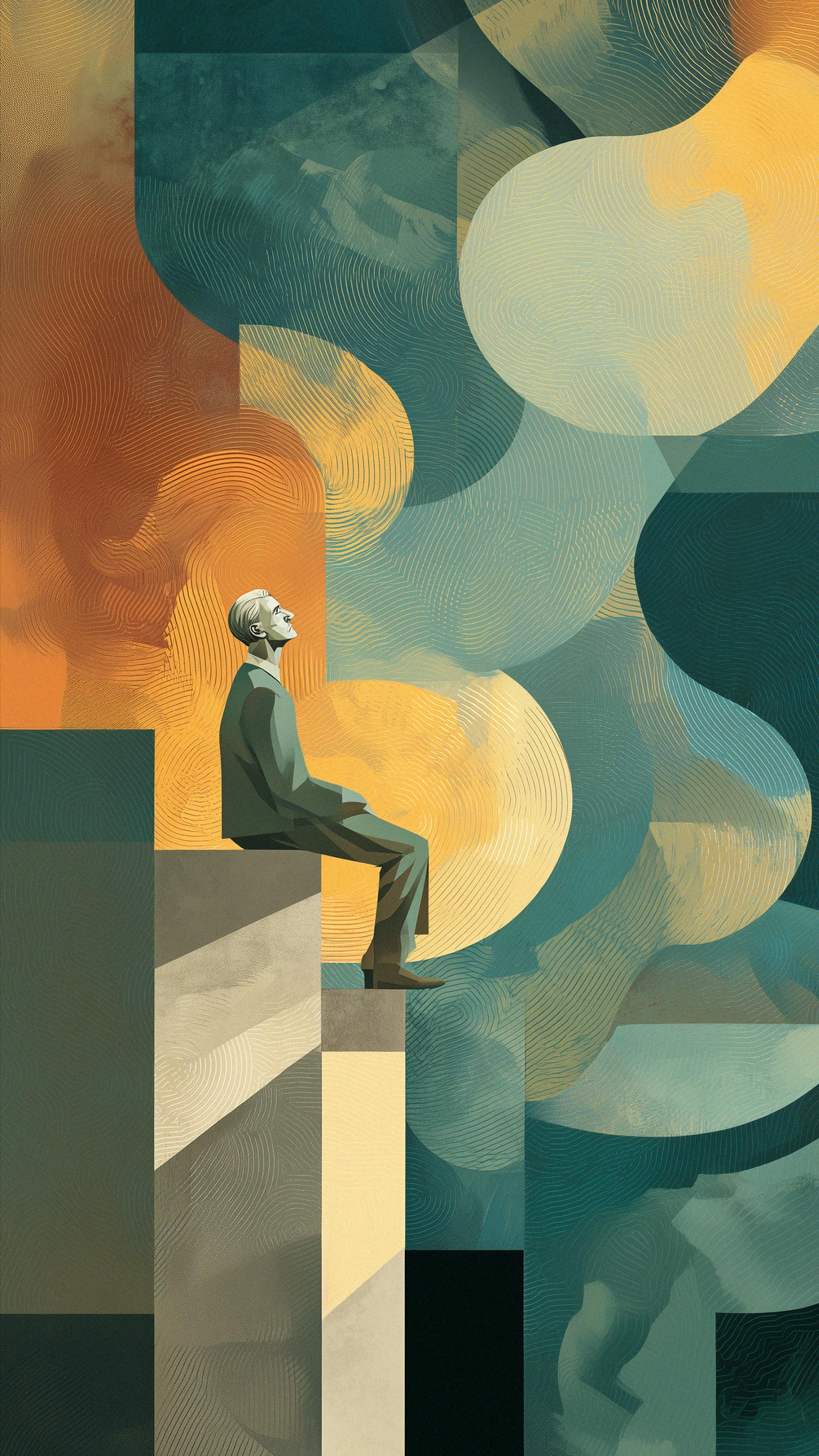
The headline suggests a 'missing function', but what if this isn't a defect? What if it’s a feature? This so-called missing function is our capacity to exist in a state of not knowing, a concept the poet John Keats famously termed 'Negative Capability'. Keats described it as the ability to be “in uncertainties, mysteries, doubts, without any irritable reaching after fact and reason.” In modern psychological terms, this aligns with high ambiguity tolerance and cognitive flexibility—the ability to adapt your thinking and switch between different perspectives. It’s about resisting the urge to find a premature answer just to escape the discomfort of the unknown. This mental space, the gap between question and answer, is not a void to be feared but a fertile ground for creativity, deeper learning, and more innovative solutions.
From Paralysis to Possibility in Daily Life
Embracing uncertainty can transform how we approach life's challenges. In a career context, instead of searching for the one 'perfect job', someone with cognitive flexibility might explore multiple interests, understanding that their path can be a combination of different roles and skills. In creative pursuits, it means allowing a project to evolve without a rigid plan, letting new ideas emerge from the process itself. This mindset is tied to better problem-solving because it allows us to see challenges from multiple angles and generate a wider range of solutions. It fosters resilience by teaching us to adapt to unexpected changes rather than being broken by them. When we stop demanding a single acceptable option, we open ourselves up to a world of possibilities, where progress is defined by learning and exploration, not just by reaching a predetermined destination.
How to Cultivate Your Tolerance for Ambiguity
Developing this skill doesn't require a personality overhaul, but rather a series of small, intentional practices. Start by cultivating curiosity; instead of fearing the unknown, approach it with a sense of wonder. Mindfulness and meditation can be powerful tools, as they train the brain to observe thoughts and feelings without immediately reacting to them, reducing that 'irritable reaching' Keats spoke of. Practice making small bets or decisions without overthinking the outcome. Try new things where the goal is simply the experience itself, not mastery or a specific result. Learn to reframe your internal monologue: when you feel the anxiety of not knowing, tell yourself, “I am exploring” rather than “I am lost.” By consciously practicing ambiguity in low-stakes situations, you build the mental muscle to handle the bigger uncertainties of life with greater calm and confidence.