




What a Major New Review Found
In a comprehensive analysis of over 350 scientific papers, researchers have uncovered compelling evidence that reducing protein intake could help slow down the biological ageing process, improve metabolic health, and potentially extend one's lifespan.
The review, published in a Cell Press journal, challenges the prevailing 'more is better' attitude toward protein, especially for the majority of adults who lead relatively sedentary lives. While the researchers acknowledge the clear benefits of protein for active individuals and athletes, they suggest that many people might be consuming far more than they actually need, which could have negative health consequences. Clinical trials in humans have already shown that reducing protein can lead to weight loss, lower body fat, and improved blood sugar levels, even without cutting total calories.
The Science of 'Less Is More'
So, how can eating less protein be beneficial? The answer lies in our cells. Lower protein intake appears to activate several key biological pathways linked to longevity. One crucial mechanism involves a hormone called fibroblast growth factor 21 (FGF21), which tends to rise when protein is limited. Higher levels of FGF21 are associated with increased energy expenditure and better blood sugar control. Another key player is a cellular pathway known as mTOR. Abundant protein keeps mTOR active, signalling cells to grow and divide. When protein is scarce, mTOR quiets down, shifting cells into a state of conservation and repair called autophagy, where they clean out damaged components. This cellular housekeeping is believed to be a cornerstone of healthy ageing.
Not All Protein Is Created Equal
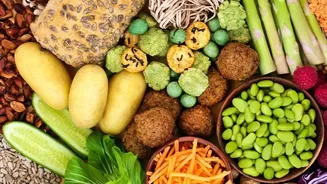
The review also highlights that the type of protein matters. Much of the benefit seems to come from restricting specific amino acids, the building blocks of protein. In particular, methionine and branched-chain amino acids (BCAAs) like isoleucine and valine appear to be key drivers of the ageing process when overconsumed. Interestingly, these amino acids are generally found in higher concentrations in animal proteins, especially red meat. Some research suggests that diets higher in plant-based proteins, which are naturally lower in methionine and certain BCAAs, are associated with a lower risk of chronic disease and better overall health in later life. This suggests that simply swapping some animal protein for plant-based sources like dals, legumes, and soya could offer longevity benefits.
A Word of Caution: It's Not for Everyone
Before you drastically cut protein from your diet, it is crucial to understand that this is not a one-size-fits-all recommendation. The researchers stress that most of the longevity studies were conducted on animals like rodents and flies, and it's not yet confirmed that the same effects apply to humans. Furthermore, protein needs are highly individual. For older adults, low protein intake is a serious concern, as it can lead to sarcopenia—the progressive loss of muscle mass and strength. This condition increases the risk of falls, frailty, and a loss of independence. Studies have shown that older adults who consume too little protein are more likely to have reduced muscle strength and difficulty with daily activities like walking or climbing stairs. The Indian Council of Medical Research (ICMR) recommends 0.83 grams of protein per kilogram of body weight for adults, a figure that does not decrease with age, highlighting the need to maintain intake to prevent muscle loss.
The Takeaway: A Balanced Approach to Protein
The latest research doesn't call for an extreme low-protein diet. Instead, it invites a more mindful approach, particularly for sedentary adults during their midlife years. The evidence suggests that moderation is key. Rather than loading up on protein-fortified snacks and shakes without considering activity levels, the focus should be on getting the right amount of high-quality protein from varied sources. For many, this might mean simply adhering to the standard recommended daily allowance rather than exceeding it. Incorporating more plant-based proteins can also be a beneficial strategy. The science points toward a nuanced view: protein is vital, but the optimal amount may change throughout our lives, with moderation being key in midlife and adequate intake becoming critical in our later years to maintain strength and function.