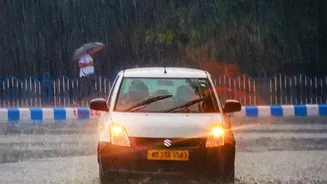





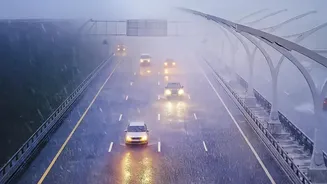
Assess Your Route and Destination
Before you even think about packing, your first step is to research the route. During the monsoon, not all destinations are created equal. Some routes, especially in hilly or low-lying areas, are prone to landslides, flash floods, and road closures. Use
weather forecasting apps and websites to check for heavy rain warnings along your entire planned route. Look at real-time traffic apps like Google Maps or MapmyIndia, which can show road closures and significant delays. It's also wise to check local news and police advisories for the destination district, as they provide the most current information on ground conditions. If credible reports mention severe weather or hazardous conditions, it is always safer to postpone or choose an alternative, more accessible destination.
Conduct a Thorough Vehicle Health Check
Your car is your single most important piece of equipment, and its condition is non-negotiable. Wet roads demand peak performance from several key systems. First, inspect your tyres. They are your only contact with the road, and worn-out tyres dramatically increase the risk of skidding or hydroplaning. Ensure the tread depth is adequate—at least 3mm is recommended. Next, check your brakes. They need to be responsive, as stopping distances increase significantly on wet surfaces. Test your windshield wipers; if they leave streaks, replace them for clear visibility. Finally, ensure all your lights are working perfectly: headlights, taillights, brake lights, and fog lamps. Good visibility is not just about you seeing the road, but also about other drivers seeing you.
Pack a Monsoon-Specific Emergency Kit
A standard car emergency kit is a good start, but a monsoon trip requires special additions. Your kit should be geared towards challenges like getting stranded in a remote, rain-soaked area with no network. Pack a powerful torch with extra batteries, a reflective warning triangle, and a high-visibility jacket to ensure you are visible to other vehicles. A tow rope and jumper cables are essential for breakdowns. Include a first-aid kit with basics like bandages, antiseptic, and pain relievers. A high-capacity power bank is crucial for keeping your phone charged. Finally, pack enough drinking water and non-perishable snacks like biscuits, nuts, or energy bars to last you at least 24 hours in case you get stuck.
Honestly Evaluate Your Driving Skills
Driving in heavy rain, especially on highways or winding hill roads, requires a specific skill set and immense concentration. Be honest with yourself about your experience. Have you driven in near-zero visibility before? Are you comfortable handling a skid if the car hydroplanes? Monsoon driving means reducing your speed, maintaining a much larger following distance, and avoiding sudden braking or acceleration. You should never use cruise control on wet roads. If you encounter a waterlogged area, the golden rule is: turn around, don't drown. Just six inches of water can cause a car to lose control, and a foot of water can stall most vehicles. If you're not confident in your ability to handle these conditions, it might be better to travel with a more experienced driver or reconsider the trip.
Making the Final Go or No-Go Decision
With all this information, it's time to make the call. Create a simple checklist. Are the weather forecasts clear for your route? Is your car in excellent condition? Is your emergency kit packed? Do you have a backup plan? A 'go' decision should only come if you can confidently tick every box. It is crucial to have a threshold for risk. For instance, a 'red alert' for heavy rainfall issued by the meteorological department should be an automatic 'no-go'. Never let the desire to get away overshadow clear warnings. Always inform a friend or family member about your route and estimated travel times. If any critical element feels uncertain, the wisest and safest choice is to reschedule. The mountains and scenic roads will still be there when the weather is on your side.