


The Virtual Makeup Counter
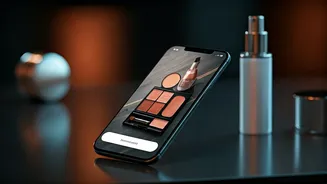
For years, the biggest hurdle for online beauty shopping has been the inability to try before you buy. Artificial intelligence (AI) and augmented reality (AR) are closing that gap. Major beauty retailers and brands like Sephora and L'Oréal are integrating
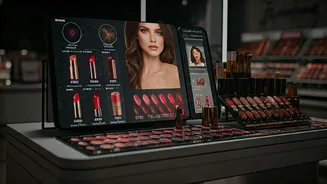
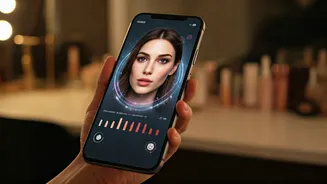
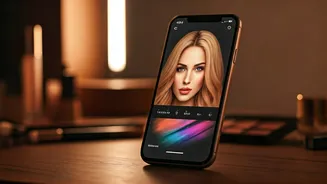
'virtual try-on' technology into their apps and websites. This allows you to use your phone’s camera as a mirror and see, in real-time, how a specific shade of lipstick, eyeshadow, or even a full makeup look will appear on your face. The technology uses advanced facial mapping to detect your unique features, ensuring the virtual makeup moves with you and looks surprisingly realistic.
How Does It Actually Work?
Behind the seamless experience is a blend of complex technologies. Computer vision algorithms scan dozens of points on your face to map your lips, eyes, and skin texture. Augmented reality then overlays the digital product onto your live image. But the 'intelligence' comes from machine learning. These systems are trained on massive datasets of images, skin tones, and product textures to render colors and finishes—like matte, shimmer, or gloss—with increasing accuracy. Tech companies like Perfect Corp, with its YouCam Makeup app, and ModiFace, which was acquired by L'Oréal, are among the pioneers developing the software that powers many of these major brand experiences.
More Than Just Makeup
The revolution isn't stopping at color cosmetics. AI is also becoming a personal skincare consultant. Apps from brands like Olay and Cetaphil can analyze a selfie to detect a range of skin concerns, including dryness, acne, fine lines, and dark spots. The AI then provides a detailed analysis of your skin's health and recommends a personalized routine with specific products tailored to your needs. Some companies are even developing at-home devices, like L'Oréal's Perso, which uses AI to create custom-blended skincare and foundation formulas on demand, adjusted for factors like the daily weather and your skin's condition.
The Business of Personalization
For beauty brands, this technology is more than just a novelty; it's a powerful business tool. AI-driven personalization helps solve the problem of overwhelming choice that many consumers feel. By guiding users to the right products, brands can increase customer confidence, boost sales conversion rates, and significantly reduce product returns. Data shows that when customers can 'try' a product virtually, their basket sizes and engagement increase dramatically. Furthermore, AI can analyze social media trends and consumer data to predict the next big thing, helping companies develop products that consumers will want before they even know it themselves.
Are There Any Downsides?
While incredibly advanced, the technology isn't perfect. The accuracy of a virtual try-on can be affected by your phone's camera quality and the lighting in your room. There can sometimes be a gap between how a shade appears on screen and in real life. There are also valid concerns about data privacy and the potential for these tools to promote unrealistic beauty standards by making digital enhancements too accessible. As the AI models are trained on data, it's crucial that these datasets are diverse and inclusive to ensure that shade matching and recommendations work accurately for every skin tone.