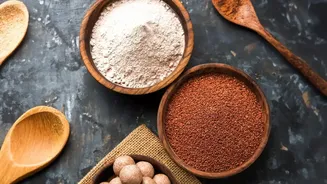



As winter mornings turn crisp and cold, the search for a warm, nourishing breakfast begins. Enter ragi, the ancient Indian superfood that offers a perfect start, providing sustained energy, comfort, and a host of seasonal health benefits.
A Powerhouse of Essential Nutrients
Ragi, also known
as finger millet, is a nutritional heavyweight. It is packed with essential minerals, protein, and dietary fibre. Unlike many refined grains, ragi's nutrient profile is exceptionally dense, making it a valuable addition to any diet. It is particularly celebrated for its high calcium content, which is significantly more than that found in wheat or rice. Furthermore, it is a good source of iron, which helps combat fatigue, and potassium. Being naturally gluten-free, it caters to a wide range of dietary needs and preferences.
The Natural Warming Effect
According to Ayurvedic tradition, ragi has a warming effect ('ushna virya') on the body, making it an ideal food for the colder months. The complex carbohydrates in ragi release energy slowly, which helps in maintaining body temperature and keeping you warm from within for a longer period. This sustained energy release prevents the sluggishness that can often accompany cold weather, providing a steady source of fuel to keep you active and energised throughout the day.
Boosting Immunity for Colder Months
Winter often brings a higher risk of coughs, colds, and other infections. Ragi can be a key ally in strengthening your body's defences. It is loaded with antioxidants, such as polyphenols and flavonoids, which help combat oxidative stress and bolster the immune system. The various nutrients present in ragi, including iron and other essential minerals, contribute to enhancing the body's resistance to common seasonal illnesses, helping you stay healthy and resilient.
Excellent for Bone and Joint Health
The drop in temperature during winter can sometimes aggravate joint stiffness and discomfort. Ragi is one of the richest plant-based sources of calcium, a crucial mineral for maintaining bone density and strength. Regular consumption is particularly beneficial for growing children, women, and older adults who are at a higher risk of bone-related issues. By providing a natural and substantial dose of calcium, ragi helps in keeping bones healthy and strong, which is especially important when outdoor activities and sun exposure might be limited.
Simple Ways to Enjoy a Ragi Breakfast
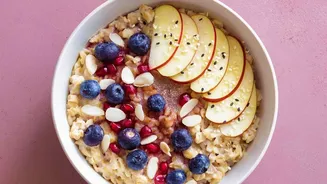
Incorporating ragi into your breakfast routine is both easy and delicious. A warm bowl of ragi porridge, sweetened with jaggery and topped with nuts, is a comforting and classic option. You can also make savoury dishes like ragi dosa, which pairs well with coconut chutney and sambar, or soft ragi idlis. For those who enjoy baking, ragi flour can be used to make pancakes or added to paratha and chilla batter for a nutritious twist on familiar favourites. These preparations are not only filling but also gentle on the digestive system.