



That Famous NASA Study
The idea that houseplants are natural air purifiers originates from a well-known NASA study from 1989. The research found that, within a small, sealed chamber, certain plants could indeed remove volatile organic compounds (VOCs) like benzene and formaldehyde
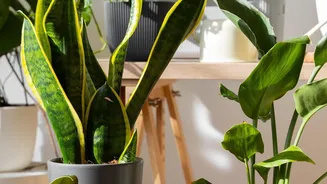
from the air. This groundbreaking finding was intended to explore life-support systems for space stations. However, the message that reached the public was much simpler: plants clean the air. Soon, lists of the “best” air-purifying plants became a staple of home and garden media, encouraging people to populate their homes with snake plants and peace lilies to fight indoor pollution.
From Sealed Chamber to Living Room
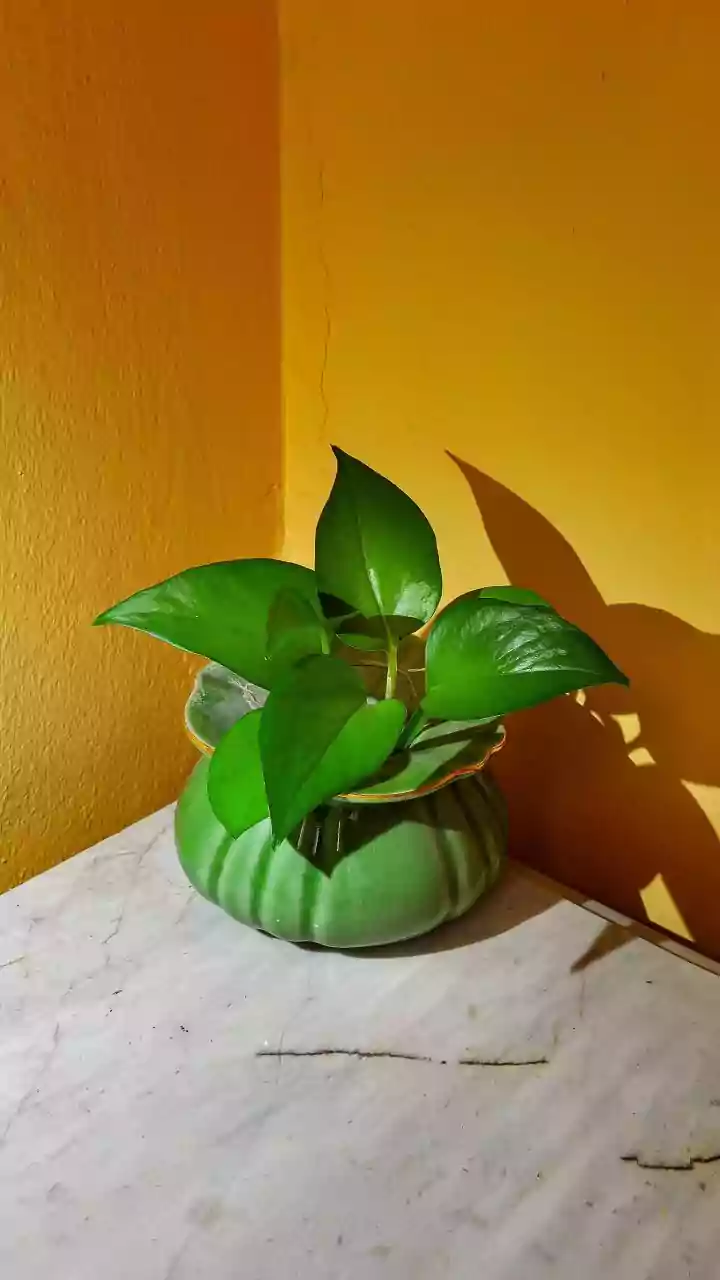
The problem is that a sealed plexiglass box is very different from the average house or apartment. Subsequent research has shown that the air-purifying effects observed by NASA are drastically diminished in a real-world setting. Factors like ventilation, the constant introduction of new pollutants, and the sheer volume of air in a room mean you would need an impractical number of plants to make a meaningful difference. Some studies estimate you'd need anywhere from 10 to 1,000 plants per square metre of floor space to replicate the cleaning power of a building’s standard ventilation system. While your pothos does absorb a tiny amount of pollutants, opening a window or running an air filter is vastly more effective at cleaning your air.
The Real Superpower: A Psychological Boost
So, should you get rid of your green friends? Absolutely not. It turns out their most significant benefit isn't chemical, but psychological. The concept of 'biophilia' suggests that humans have an innate tendency to connect with nature. Bringing plants indoors taps into this connection, with measurable positive effects. Studies have shown that interacting with and even just being around indoor plants can lower levels of the stress hormone cortisol, reduce heart rate, and lower blood pressure. In hospitals, the presence of plants has been linked to better recovery outcomes for patients. This suggests that the calm, comfortable feeling you get from a room full of greenery is real and supported by science.
More Than Just a Feeling
Beyond the mood boost, plants can physically increase our comfort in other ways. Through a process called transpiration, plants release water vapour into the air. While a single plant won’t have a huge impact, a collection of them can act as a natural, low-energy humidifier. This can be particularly beneficial in dry winter months or in air-conditioned environments, potentially helping to soothe dry skin and respiratory passages. Furthermore, simply having something alive to care for and nurture provides a sense of purpose and joy for many people. Watching a plant thrive and grow under your care offers a unique and satisfying reward that has nothing to do with VOCs.
Choosing Plants for Wellness
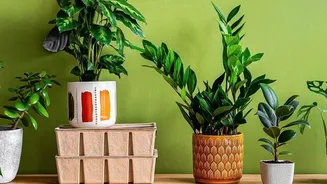
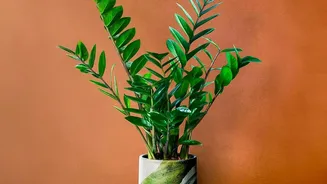
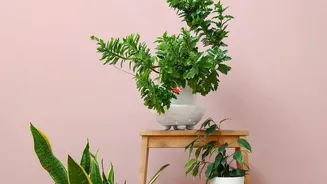
Since the psychological benefits aren't tied to a specific species' ability to filter air, you can choose any plant you love. The best plant for your well-being is one that you find beautiful and that fits your lifestyle. If you're new to plants, start with resilient, low-maintenance options like the ZZ plant, snake plant, or pothos. Their ability to tolerate a bit of neglect means you're more likely to have a successful, stress-free experience. The key is to see them not as air-purifying machines, but as living decor that enhances your environment, calms your mind, and brings a welcome touch of nature indoors.