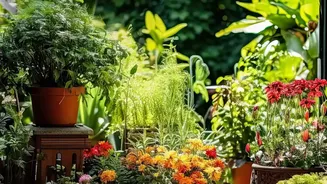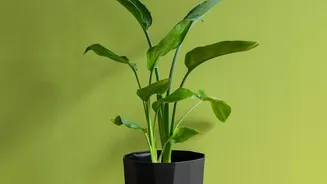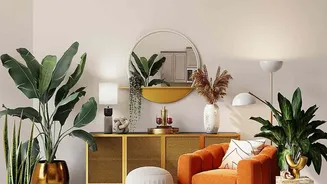



The dream of a lush, tropical garden is a popular one across India, promising vibrant colours and cooling foliage. But turning this vision into a reality depends on one crucial factor: putting the right plant in the right place.
First, Become a Sun Mapper
Before buying a single
plant, the most important task is to understand how sunlight moves across your garden, balcony, or windowsill. This doesn't require special tools, just a day of observation. Note which areas get hit with direct sun in the morning, which are blasted by the intense afternoon heat, and which remain in shade for most of the day. A simple way to do this is to take photos from the same spot at 9 a.m., 12 p.m., and 4 p.m. on a clear day. This simple 'sun map' will become your most valuable guide, preventing the common mistake of placing a shade-loving plant in a spot that receives scorching sun, or a sun-worshipper in a dark corner.
Decoding a Plant's Light Needs
Plant tags often use terms that can be confusing. Here’s a simple breakdown for Indian gardens: 'Full Sun' means a spot that gets six or more hours of direct, unfiltered sunlight per day; these are often the most challenging spots due to intense heat. 'Partial Shade' or 'Partial Sun' refers to an area that receives between three and six hours of sun, ideally the gentler morning light. These spots are often protected from the harsh afternoon sun. 'Full Shade' does not mean total darkness; it means a location that gets less than three hours of direct sun, but still receives bright, indirect light for the rest of the day.
Perfect Plants for Full Sun
For those sun-drenched spots in your garden, you need tough, heat-tolerant plants. Bougainvillea is a classic choice, rewarding you with endless, vibrant bracts when given at least six hours of direct sun. Similarly, Hibiscus, an iconic flower in Indian culture, thrives in the heat and produces its large, showy blooms when basking in full sunlight. Marigolds are another robust option, known for their bright yellow and orange flowers that can handle the heat with ease. Other great choices for full-sun locations include the Pride of India (Lagerstroemia indica), Zinnias, and Sunflowers.
Thriving in Partial Shade
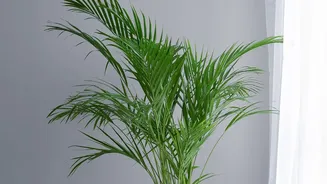
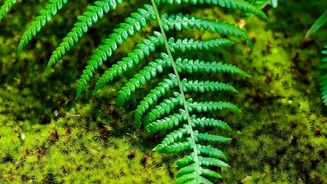
Many of the most popular 'indoor' tropical plants are actually understory plants in their native habitat, meaning they thrive in the dappled light beneath a larger canopy. These are perfect for spots with morning sun or bright, indirect light. The Areca Palm, with its elegant fronds, is a popular choice that enjoys bright shade. Anthuriums and Peace Lilies, known for their unique flowers, also prefer these conditions, as direct sun can scorch their leaves. Many varieties of Crotons, prized for their colourful foliage, and some ferns do best when protected from the harsh afternoon sun, making them ideal for east-facing balconies or spots near a bright window.
Embracing the Shady Corners
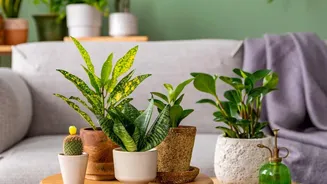
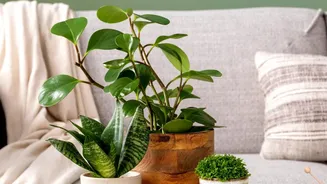
Don't neglect those corners that never seem to get direct sun. Several hardy tropical plants can bring life to these low-light areas. The Snake Plant (Sansevieria) is almost indestructible, tolerating low light and infrequent watering, and is celebrated for its air-purifying qualities. The ZZ Plant (Zamioculcas zamiifolia) is another tough contender with glossy, dark green leaves that thrives on neglect. And of course, the ubiquitous Money Plant (Pothos or Epipremnum aureum), found in countless Indian homes, is famous for its ability to grow well in low light, whether in soil or a simple bottle of water.
Beyond Sunlight: Your Local Climate
Sunlight is only half the story. The broader climate of your region plays a huge role. India's climate varies dramatically, from the humid coasts to the dry northern plains and the moderate plateau. A plant that thrives in the moisture-rich air of Mumbai or Kochi may struggle in the dry heat of Delhi or Jaipur, even with identical sunlight. For hot and dry regions, drought-tolerant plants like succulents are a wise choice. In humid coastal areas, plants like Palms and Plumeria (Champa) flourish, but good soil drainage is essential to prevent root rot during the monsoon. Always try to select plants that are naturally suited to your city's specific temperature and humidity profile for the best results.