



What is Food Literacy, Anyway?
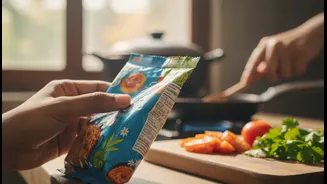
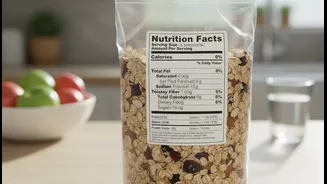
Food literacy is more than just knowing how to cook. It's the ability to obtain, understand, and apply information about food. This includes reading a nutrition label, understanding where food comes from, and recognizing the difference between a nutrient-rich
meal and an ultra-processed product. For a young person in India, it means being able to navigate a world where traditional home-cooked meals are competing with the instant gratification of packaged snacks and drinks. It's about making informed choices that build a foundation for lifelong health, rather than simply following trends or advertisements.
The Packaged Food Predicament
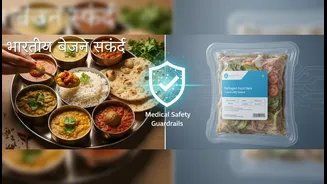
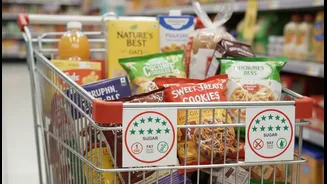
India's packaged food sector is growing at an explosive rate, one of the fastest in the world. Driven by convenience, urban lifestyles, and aggressive marketing, ultra-processed foods (UPFs) like instant noodles, sugary cereals, and sweetened beverages are becoming staples, especially for younger generations. Studies show that among Indians aged 18–34, 44% consume these foods regularly, a rate nearly four times higher than those over 55. These products are engineered to be palatable with high levels of salt, sugar, and unhealthy fats, but they are often stripped of essential nutrients. This dietary shift represents a significant public health challenge, moving a generation away from balanced, traditional diets.
Health on the Line
The consequences of this dietary shift are already visible in India's health statistics. The country is facing a rising tide of non-communicable diseases (NCDs) like diabetes, heart conditions, and obesity, which are appearing at younger ages. Recent reports indicate that two in three young adults are at risk of NCDs, with unhealthy diets being a critical factor. Higher consumption of UPFs is directly linked with elevated blood pressure in urban young adults. These foods can contribute to insulin resistance, increase bad cholesterol, and even negatively affect mental and cognitive function, threatening the productivity of the nation's youth.
The Power of the Home Kitchen
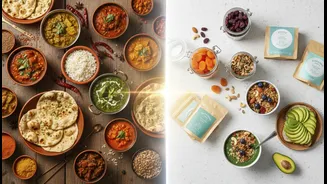
In contrast, traditional Indian home-cooked meals offer a powerful solution. Built around a balanced intake of whole grains, lentils, fresh vegetables, and a symphony of spices, these meals are inherently nutritious. Spices like turmeric, cumin, and ginger not only add flavour but also have anti-inflammatory and digestive benefits. A typical home-cooked thali provides a balanced mix of protein, carbohydrates, fibre, and essential micronutrients, promoting everything from heart health to better digestion. Reviving the appreciation for and knowledge of home cooking is a direct path to better health, connecting young people with their cultural heritage while nourishing their bodies.
Building a Food-Smart Future
Tackling this issue requires a multi-pronged approach. Experts argue that food literacy must become a public health priority, integrated into school curriculums just like vaccination programs. Initiatives like the FSSAI's 'Eat Right School' program are steps in the right direction, aiming to educate children about nutrition and hygiene through interactive activities and learning materials. This formal education, combined with parents encouraging mindful eating at home, can empower young Indians. The goal isn't to create fear around food, but to equip the next generation with the knowledge and skills to make conscious, healthy choices for themselves, ensuring their well-being and the nation's future.