


The Unique Charm of Nilgiri Tea
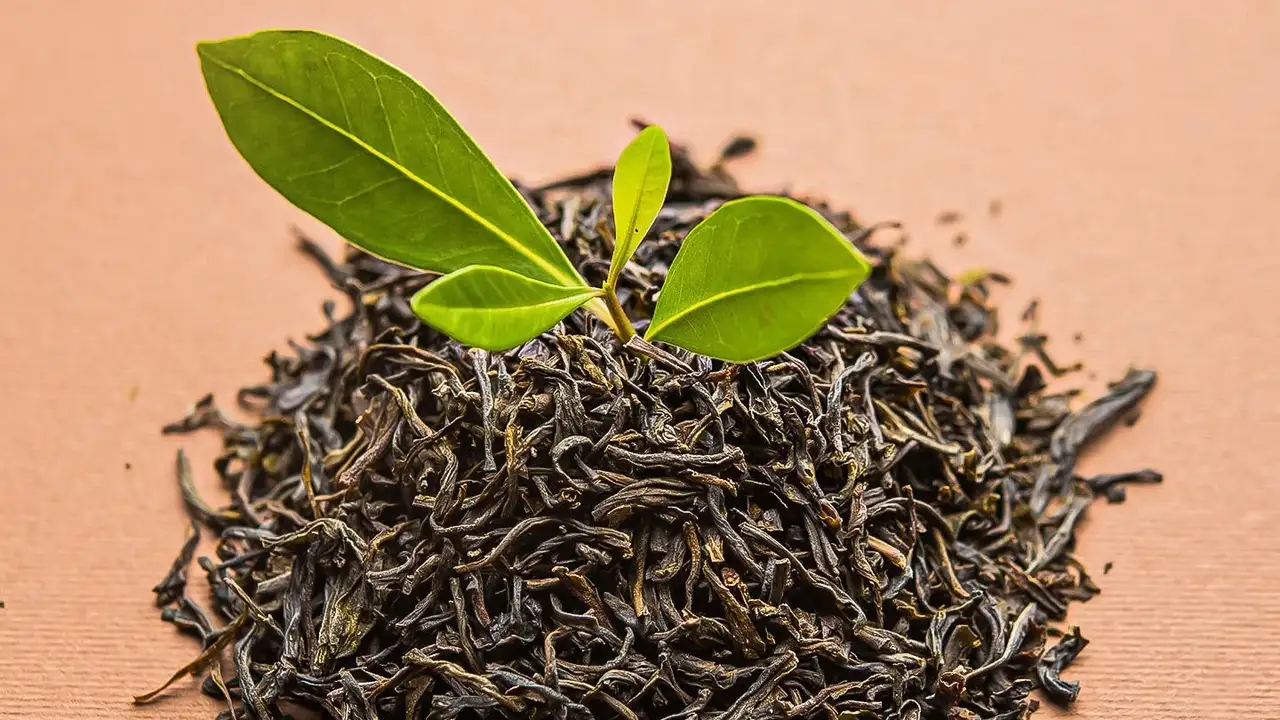
Often called the ‘third cousin’ to the more famous Assam and Darjeeling teas, Nilgiri tea is a hidden gem from the Blue Mountains of Southern India. Grown in the Western Ghats, its flavour is distinctively aromatic, bright, and fragrant, with delicate
floral and fruity notes. Crucially, it has a balanced body and low astringency, meaning it rarely tastes bitter, even if you steep it a little longer. This smooth, mellow, and subtly sweet profile makes it an ideal canvas for other flavours to shine, which is why it's often called a 'blender's dream'. Its clear, golden-yellow liquor also ensures your fruit infusions look as good as they taste without clouding over, making it perfect for iced teas.
Embracing Natural Sweetness
The goal of a low-sugar brew isn't to replace sugar with artificial sweeteners, but to let the natural sweetness of the ingredients speak for themselves. This is where fruit comes in. By infusing ripe, seasonal fruits into Nilgiri tea, you extract their inherent sugars and vibrant flavours, creating a drink that is both satisfying and refreshing without being a sugar bomb. The key is to choose fruits at their peak ripeness for the most intense flavour. A gentle brewing process, like cold brewing, is particularly effective. Steeping tea and fruit in cold water for several hours (from 8 to 24) coaxes out their softer, sweeter notes while leaving behind most of the bitterness and tannins that can come from hot brewing.
Perfect Pairings with Indian Fruits
The versatility of Nilgiri tea means it pairs beautifully with a wide range of fruits. For a local twist, consider these combinations: Stone Fruits: The sweetness of peaches, plums, and apricots from India's hill regions beautifully complements the tea's briskness. Gently muddle sliced fruit to release its juices before brewing. Citrus and Zest: For a bright, zesty kick, add slices of Nagpur oranges or even the fragrant rind of a Gondhoraj lime. Citrus cuts through with a refreshing sharpness that highlights the tea’s own citrusy undertones. Berries and Tropicals: The luscious sweetness of Mahabaleshwar strawberries, lychees, or even tart phalsa berries can create a stunningly flavourful brew. For a truly tropical experience, try adding chunks of ripe mango or pineapple. When using softer fruits like berries, you can gently crush them to help them infuse better.
A Simple Cold Brew Starter Guide
Ready to try it yourself? Here is a basic recipe to get you started. In a large glass jar or pitcher, combine 4-5 teaspoons of loose-leaf Nilgiri tea with about 1 litre of cold or room-temperature water. Add one to two cups of your chosen fruit, washed and sliced. For stone fruits like peaches, slice them; for berries, you can leave them whole or lightly crushed. For an extra layer of flavour, consider adding a few sprigs of fresh mint or some crushed ginger. Cover the pitcher and place it in the refrigerator for at least 8-12 hours, or even up to 24 hours for a stronger flavour. Once it's done steeping, strain the tea to remove the leaves and fruit pulp. Serve over ice for a perfect, refreshing drink. Taste it before you think about adding any sweetener; you might be surprised at how much natural flavour it already has.
Tips for the Perfect Infusion
To elevate your home-brewed fruit tea, keep a few things in mind. Always use fresh, ripe fruit for the best flavour. If you're using harder fruits like apples, slice them thinly. For softer fruits like berries and peaches, smashing or muddling them slightly can release more juice and flavour. Don't be afraid to mix and match. A combination like peach and ginger or strawberry and mint can be delicious. While cold brewing is fantastic for a smooth, sweet tea, you can also make a hot infusion. Simply brew the tea as you normally would, let it cool slightly, and then pour it over a pitcher filled with your prepared fruit and ice. The residual heat will help the fruit infuse quickly.